
Last updated November 23, 2026
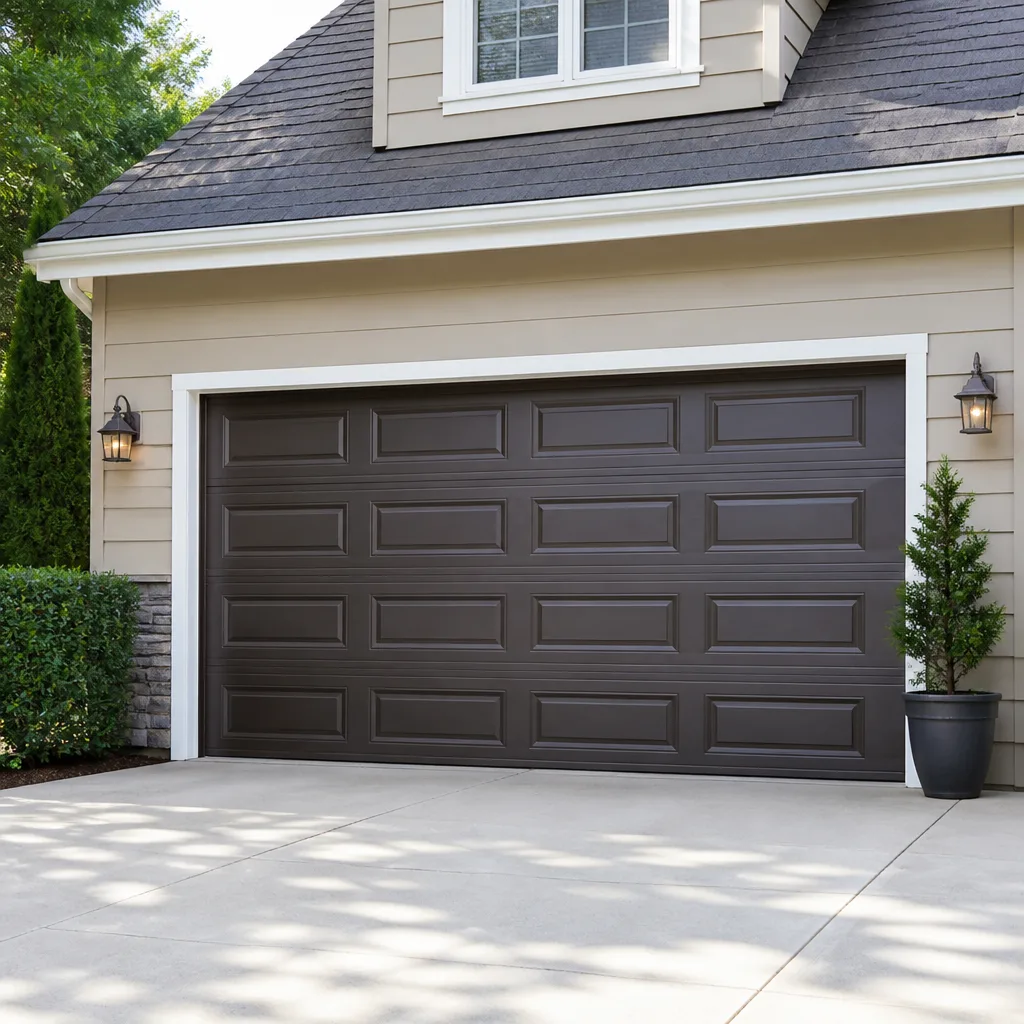 Raised-panel steel
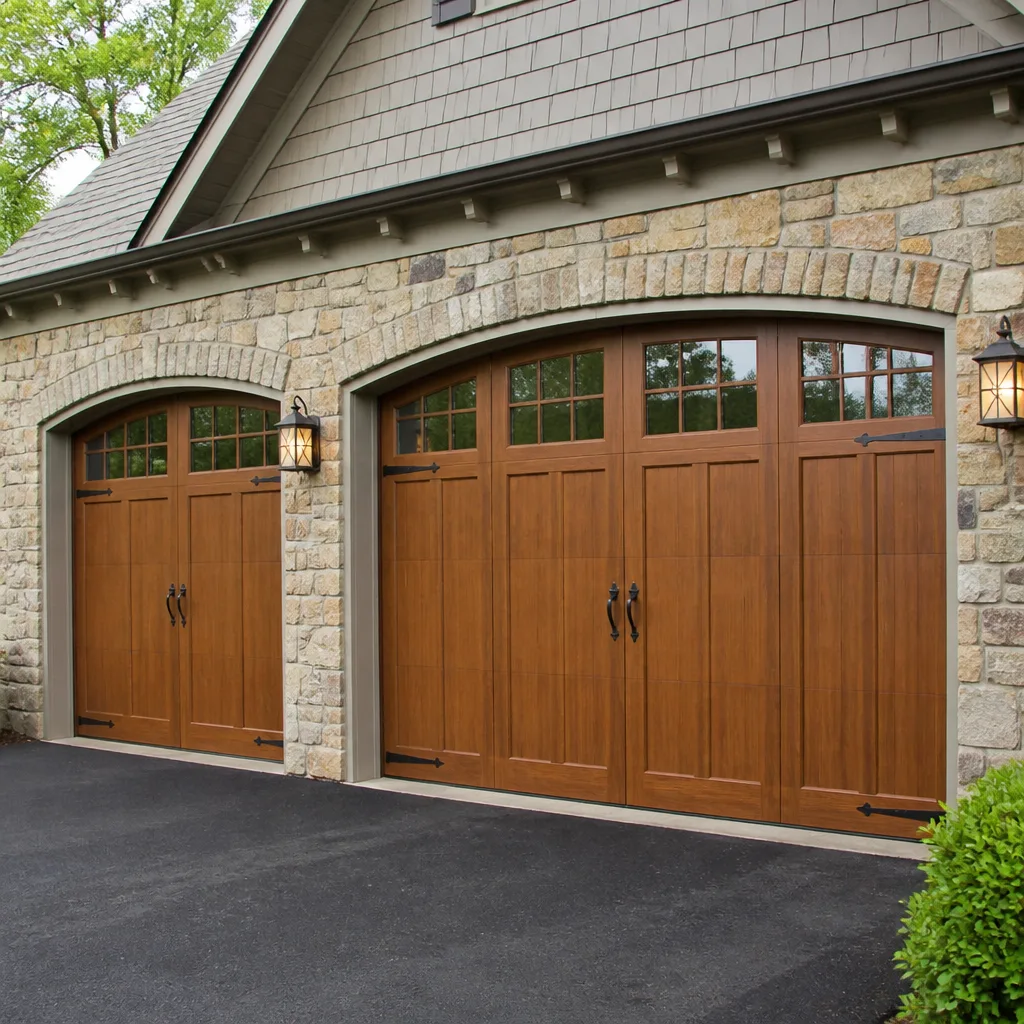 Carriage house
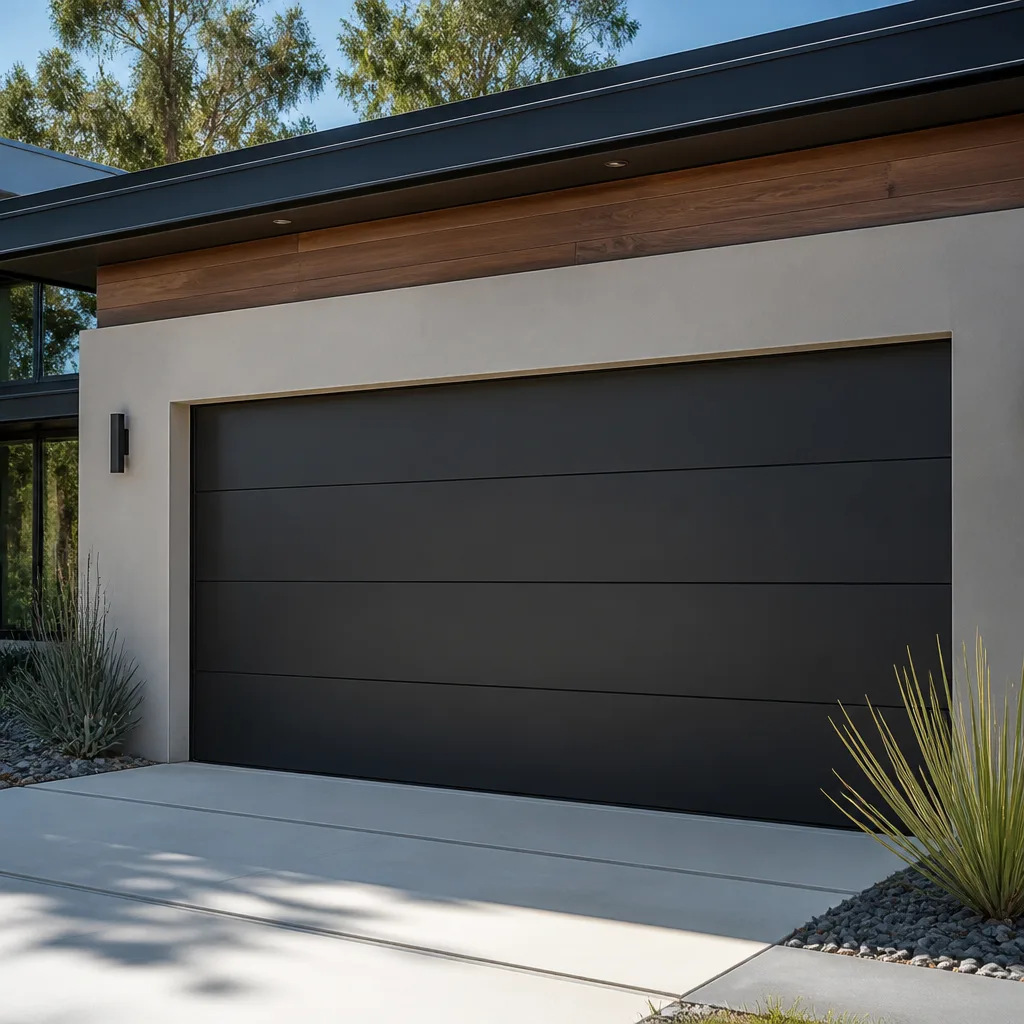 Modern flush
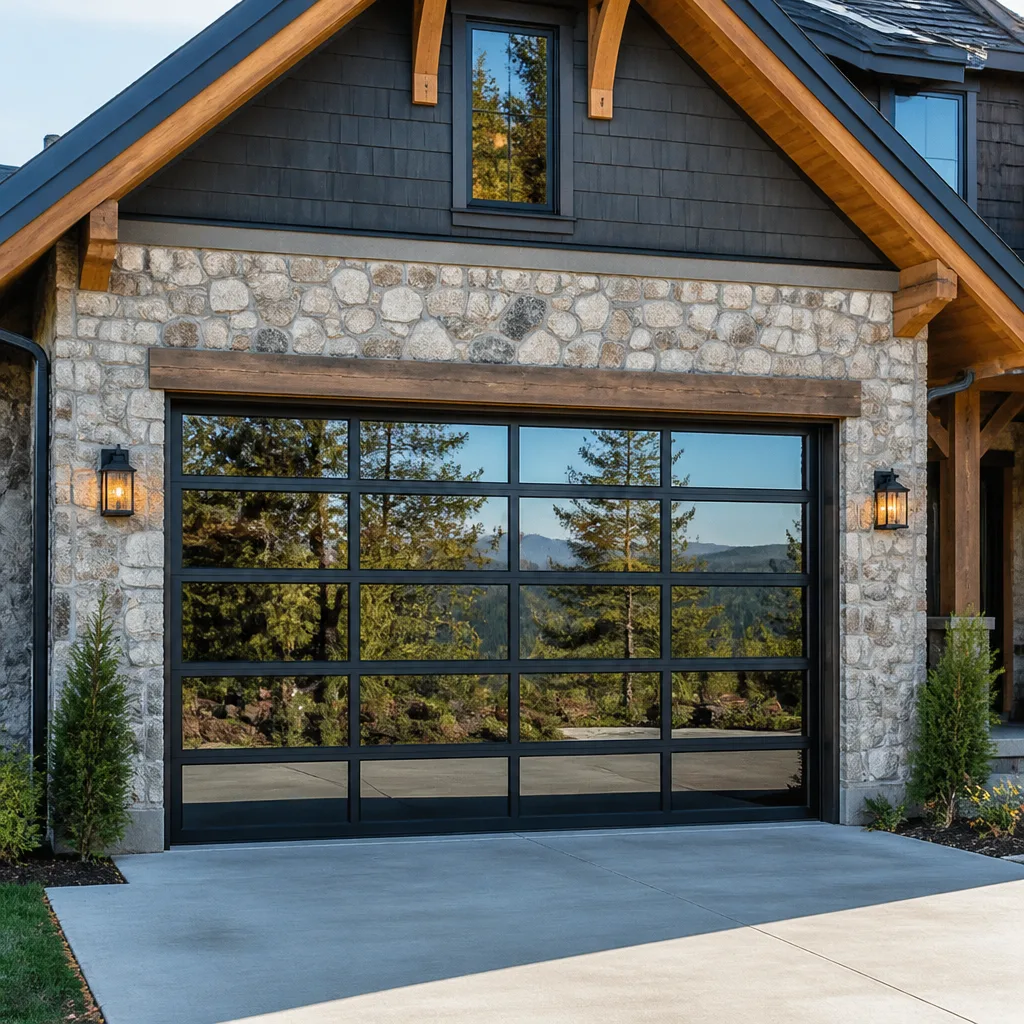 Full-view glass
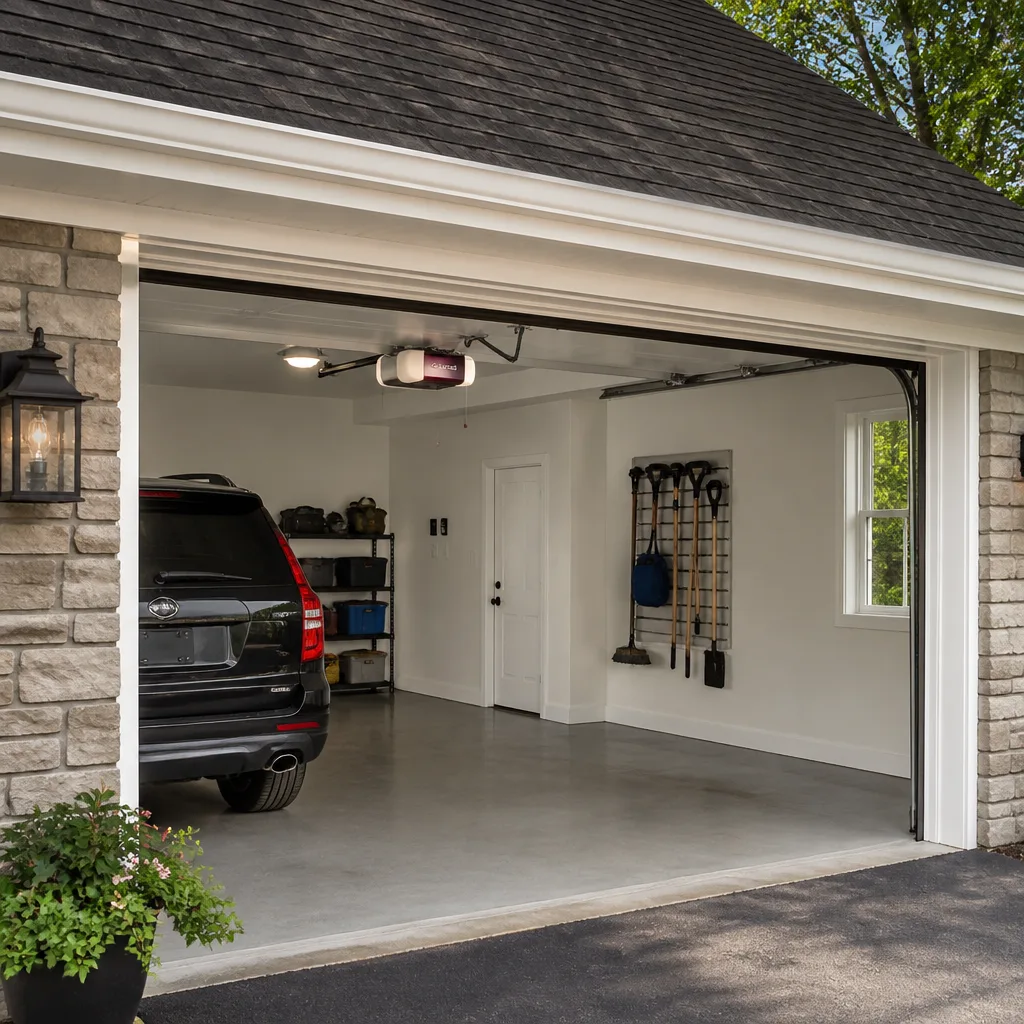 LiftMaster openers
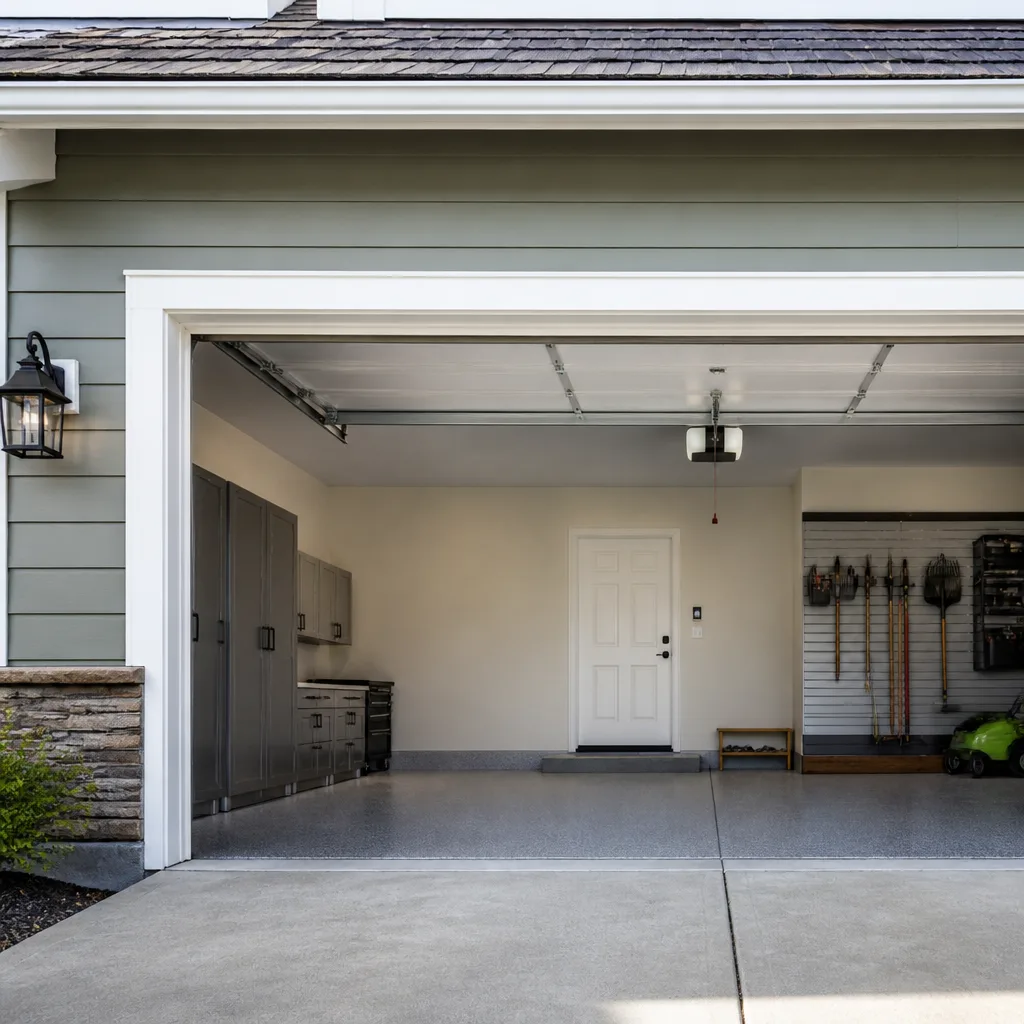 Chamberlain openers
Full 25-point door and opener safety check with every visit - springs, cables, rollers, tracks, and your LiftMaster or Chamberlain opener included
You get a price before we start. It does not change when the pro arrives.
Get your free estimateSeasonal Garage Door Care for Lakewood: Year-Round Homeowner’s Guide
Most homeowners treat a garage door like a fridge: it either works or it doesn’t, and you only think about it when it stops. That approach costs you in Lakewood. A door that ran quietly in October can be frozen to the concrete in January, grinding through its cycle in July, or hanging off a bent track by the first hard freeze. The mistake isn’t neglect exactly. It’s assuming one annual tune-up covers everything. Lakewood sits on Lake Erie, and that location hands your door four different kinds of stress across the year. Lake-effect snow loads the panels and freezes the bottom seal. Spring thaw heaves the slab. Summer humidity works on wood and paint. Early hard freezes lock everything up before you’ve adjusted. Each season needs its own response. This guide walks through what to check and when, so the door keeps working instead of failing at the worst moment.
Quick Answer
Seasonal garage door care in Lakewood means matching your maintenance to four distinct stressors: lake-effect snow and freeze cycles in winter, slab heave and cable wear in spring, humidity-driven swelling and paint failure in summer, and a fast October prep before the first hard freeze. The single most important habit is a fall tune-up covering the bottom seal, lubricant weight, spring tension, and opener battery backup, before temperatures drop below freezing. Skipping it is the most common reason doors freeze shut, jump track, or snap a torsion spring in January.
Styles & brands we work with
- Raised-panel steel
- Carriage house
- Modern flush
- Full-view glass
- LiftMaster openers
- Chamberlain openers
Table of Contents
- Fall Prep for Lake-Effect Zones
- What Frozen Seals Do to Your Springs
- Spring Inspection: Cables, Drums, and Rollers
- Summer Humidity and Your Door’s Finish
- Spotting Frost Damage Before It Fails
- Month-by-Month Care Calendar
- When Seasonal Care Isn’t Enough
- Frequently Asked Questions
Fall Prep for Lake-Effect Zones: October Is the Month That Matters
In Lakewood, the door’s hardest test arrives in the first hard freeze, usually sometime in late fall. Whatever state the door is in when that freeze hits is the state it stays in until a thaw. That makes October the single most important month on the calendar. A door prepped properly in October will usually ride out the winter. A door that wasn’t gets its first warning in December, and that warning is rarely convenient. Here’s what a real fall prep covers.
- Inspect and replace the bottom seal. The bottom seal (sometimes called the weather seal or bottom astragal) is the flexible rubber strip at the base of the door. When it cracks, hardens, or pulls away from the panel, it lets meltwater under the door. That water freezes overnight and bonds the door to the concrete. Replace a cracked seal before the first freeze, not after.
- Check the threshold and side seals. The threshold is the raised lip or seal on the floor where the door meets. In lake-effect zones, drifting snow packs against the door base and melts into that gap. A clean, sealed threshold keeps the meltwater out.
- Switch to cold-weather lubricant. Standard garage door lubricant thickens as temperatures drop. What glides in July can turn tacky in January and load the opener motor. A silicone-based or cold-rated lubricant on hinges, rollers, and the torsion spring coils keeps things moving at low temperatures.
- Test the opener’s battery backup. Power outages during lake-effect storms are a real pattern in Lakewood. An opener with a fresh battery backup keeps the door usable when the grid is down. LiftMaster and Chamberlain units commonly carry this feature; check the manual for the model you have and test the battery button before winter.
- Balance-test the door by hand. Disconnect the opener (pull the release cord) and lift the door halfway. It should hold there with little effort. If it drops, the springs are losing tension, and that’s a pre-winter problem worth fixing before the cold.
- Check the photo-eye alignment. The safety sensors at the base of the track need clean lenses and a clear line of sight. Snow piled against them is one of the most common reasons a door “won’t close” in winter.
If any of these steps turn up something that needs a trained hand – a spring that won’t hold, a bent track, an opener that’s lost its force settings – that’s the right time to get it looked at, not after the freeze. Our garage door repair work in Lakewood routinely starts with exactly this fall checklist.
What Frozen Seals Do to Your Springs (and Why Forcing the Door Is How Springs Break)
A frozen bottom seal creates a hidden problem most homeowners don’t connect to the actual failure. When the seal bonds to the concrete overnight, the opener’s first cycle pulls against the bond. The motor strains, and the torsion spring feels the extra load. If the spring was already near the end of its life (most last roughly 10,000 to 15,000 cycles, and a two-car household running the door 4 to 6 times a day burns through that faster than people expect), the frozen-seal force can push it over the edge. That’s why so many snapped springs happen on the first cold morning of the season.
The fix is simple: never force a frozen door. Here’s what to do instead.
- Disconnect the opener (pull the release cord).
- Inspect the bottom seal where it meets the concrete. If you see ice bonding it, melt it with warm (not boiling) water poured along the seal line, or a hair dryer on low, moving constantly.
- Never chip at the ice with a shovel, screwdriver, or ice scraper. Gouges in the seal or the panel are how next winter’s leak starts.
- Once free, run the door by hand a few inches to confirm it moves cleanly before reconnecting the opener.
- If the door still won’t budge with the opener disconnected, stop. The problem isn’t ice. It’s a mechanical issue and needs a professional look.
Torsion springs are under extreme tension. They can cause serious injury if handled without the right tools and training, and we never recommend adjusting, replacing, or even testing them beyond the balance check above. If the spring looks stretched, has a visible gap in the coil, or the door feels unusually heavy, call for a trained technician. Our garage door spring repair team handles torsion and extension work every week, and it’s exactly the category where a general handyman shouldn’t be your first call.
Spring Inspection: Cables, Drums, and Rollers After a Freeze-Thaw Season
Spring in Lakewood is the season of freeze-thaw. Days warm into the 40s and 50s, nights drop back below freezing, and the ground under your driveway and garage slab heaves and settles repeatedly. That movement stresses the hardware in ways summer never does. Most homeowners wipe down the door and call it spring maintenance. The real list starts with the moving parts, not the surface.
- Cable drums. The drums at each end of the torsion shaft hold the lift cables. Freeze-thaw cycles can shift the drums slightly, letting the cable wind unevenly. If you hear a grinding or popping sound during the first few cycles after a thaw, the cable may be jumping the drum.
- Lift cables. Inspect for fraying, kinks, or rust at the bottom bracket. Cables under any of these conditions should be replaced before someone gets hurt. Like springs, they’re under tension and aren’t a DIY swap.
- Rollers and hinges. Rollers wear fastest in cold weather, and a seized roller grinds against the track. Run a finger along the hinge joints and roller stems. If they’re dry or gritty, clean and re-lubricate before summer heat sets in.
- Track alignment. After the ground settles, tracks can go slightly out of plumb. Check that the gap between the roller and the track is even on both sides. If one side is tighter than the other, the track needs a realignment.
- Panel seams. Wood and steel doors alike can show separation at the panel joints after a hard winter. Steel panel seams that open let moisture in and accelerate rust. Wood panel seams that open need to be caulked and primed.
If the spring check turns up a broken or sagging spring, that’s a stop-the-door situation. Don’t run the opener until a professional has looked at it. Our garage door repair services in Lakewood handle the balance check every day, and it’s the safest way to know whether a spring has more life left or is on its last legs.
Summer Humidity and Your Door’s Finish: What Lakewood’s Moisture Band Does to Wood and Steel
Lakewood’s summers are humid, and the garage sits right at the edge of that moisture band. That matters more for your door than most homeowners realize, and it matters differently depending on whether you have a wood door or a steel one.
Wood doors
Wood panels absorb moisture in summer, swelling slightly at the seams. They release it in fall, shrinking back. That seasonal cycle opens joints, cracks paint, and lets water into end grain. Over several summers, unsealed wood panels can delaminate or warp. The fix is a fresh coat of exterior-grade stain or paint every two to three years, applied in late spring or early summer when the wood is stable. Check the bottom edge of the door panel where moisture collects first. That’s where rot starts.
Steel doors
Steel panels expand and contract with heat and humidity, and paint adhesion gets tested at the seams and panel edges. Once the paint chips at a seam, rust starts underneath and the bulge pushes more paint off. A spring check of the paint surface, particularly at panel joints and along the bottom rail, catches most of this before it spreads. Clopay steel doors in particular benefit from a quick touch-up at any chipped edge. Small spots are easy. Full surface rust takes a strip and refinish.
Insulation and vapor barriers
If your garage is attached and shares a wall with the house, summer humidity pushes vapor through the shared wall. An insulated door can help, but the door’s bottom seal also matters. A failing seal lets humid air and water in under the door, and the cycle starts from the bottom up.
Any of these summer checks that turn up a real problem – a warped panel, a sagging bottom section, a door that won’t sit flush – is worth a professional look before fall. We service garage door opener repair and panel work across Lakewood throughout the humid months, and a lot of it starts with an issue that showed up in the July heat.
Spotting Frost Damage to Track Brackets and Bottom Fixtures Before Midwinter Failure
The two components most likely to fail midwinter in Lakewood are the track brackets and the bottom fixtures (the brackets on the lower corners of the door panel that hold the cables and the bottom roller). Both are metal, both sit at the coldest part of the door, and both are exposed to freeze-thaw condensation that works into every threaded joint.
Here’s what to check before the deep cold:
- Look for rust bloom on the track brackets. A light dusting of surface rust is fine. Orange, flaking rust around the bolt heads is not. It means moisture has worked into the threads and the bracket is losing grip.
- Wiggle the bottom fixtures by hand (not while the door is under tension and not while the opener is engaged). They should be rock-solid. Any movement means the mounting bolts are loose or the bracket is cracked.
- Inspect the bottom corner of each panel for separation or warping. Panels that have taken on water in summer can crack in the cold, especially at the corner bracket mounting points.
- Check the flag brackets (the brackets that hold the track to the wall) for loose anchor bolts. As the wall framing shifts with freeze-thaw, a lag bolt can work its way out. If the track moves by hand, the bracket needs tightening or replacement.
- Confirm the photo-eye brackets are secure. A snowplow pileup against a loose sensor bracket is the classic midwinter “door won’t close” call.
If you find any of these issues, don’t wait for them to fail. A bracket that holds in October is a bracket that can shear off in January when the load goes up. Most of this inspection is visual and safe. But if you find a cracked bracket on a door with a live spring, don’t try to replace it yourself. Call a professional. Our team at Channing Garage Door Repair has worked every one of these seasonal failure patterns hundreds of times, and the October walkthrough is fast and free.
Month-by-Month Garage Door Care Calendar for Lakewood
The four-season approach gets easier if you put it on a calendar. Here’s the version we walk Lakewood homeowners through:
- October: Full fall prep. Bottom seal check, threshold seal, cold-weather lubricant, opener battery backup test, hand-balance test, photo-eye alignment.
- November: First hard freeze watch. Test the door manually after the first cold snap. Don’t force it if it sticks. Call if it freezes shut more than once.
- December through February: Winter hold. Keep the bottom seal clear of snow and ice. Watch for any grinding or popping sounds at the start of a cycle. Don’t force a frozen door.
- March: First post-winter inspection. Cables, drums, rollers, track alignment. Check for any spring sag after the cold months.
- April: Deep clean and re-lube. Clean the track thoroughly, re-grease hinges, check panel seams after the freeze-thaw season.
- May: Pre-humidity prep. Paint touch-ups on steel doors, wood sealant inspection, bottom seal integrity check before the humid months begin.
- June through August: Summer monitoring. Check wood panels for swelling and paint cracks. Watch for steel door paint adhesion at seams.
- September: Fall prep warm-up. Confirm the door is truly ready for the cold season. Order any parts or schedule any service you’ll need in October.
The nice thing about this calendar is that it puts most of the heavy checks in two windows, October and March. The rest of the year is light-touch monitoring. That’s the actual point of seasonal care: it prevents the two or three expensive failures a year instead of demanding constant attention.
When Seasonal Care Isn’t Enough
Some problems respond to maintenance and some don’t. A monthly lube job won’t fix a cracked spring. A fresh coat of paint won’t rewind a slipping cable. Here’s when to stop checking and call:
- The door won’t stay halfway open on a hand-balance test (broken or sagging spring).
- You hear a loud snap from the torsion shaft, followed by the door getting extremely heavy (broken spring).
- The door is visibly crooked or off-track on one side.
- Any grinding or popping during the normal cycle that wasn’t there last week.
- The opener runs but the door doesn’t move, or moves a few inches and reverses.
- A visible break, fray, or kink in a lift cable.
- Frost or rust damage on any bracket that’s loose or cracked.
Those last two are safety issues, not maintenance issues. Torsion springs and cables are under extreme tension and can cause serious injury without specialized tools and training. Don’t handle them yourself, and don’t try to adjust them “just to see.” Channing Garage Door Repair offers free estimates in Lakewood. Call (833) 468-5586. We answer 24/7, with fast dispatch from 7am to 7pm, Sunday through Friday. We work on the brand you already have – LiftMaster, Chamberlain, Genie, Clopay, Amarr, Wayne Dalton, Craftsman, and Raynor – so the fix is on-site and brand-fluent instead of a sales pitch for a full replacement. Same-day and emergency service are core to what we do, not upsells you have to talk us into.
See the difference
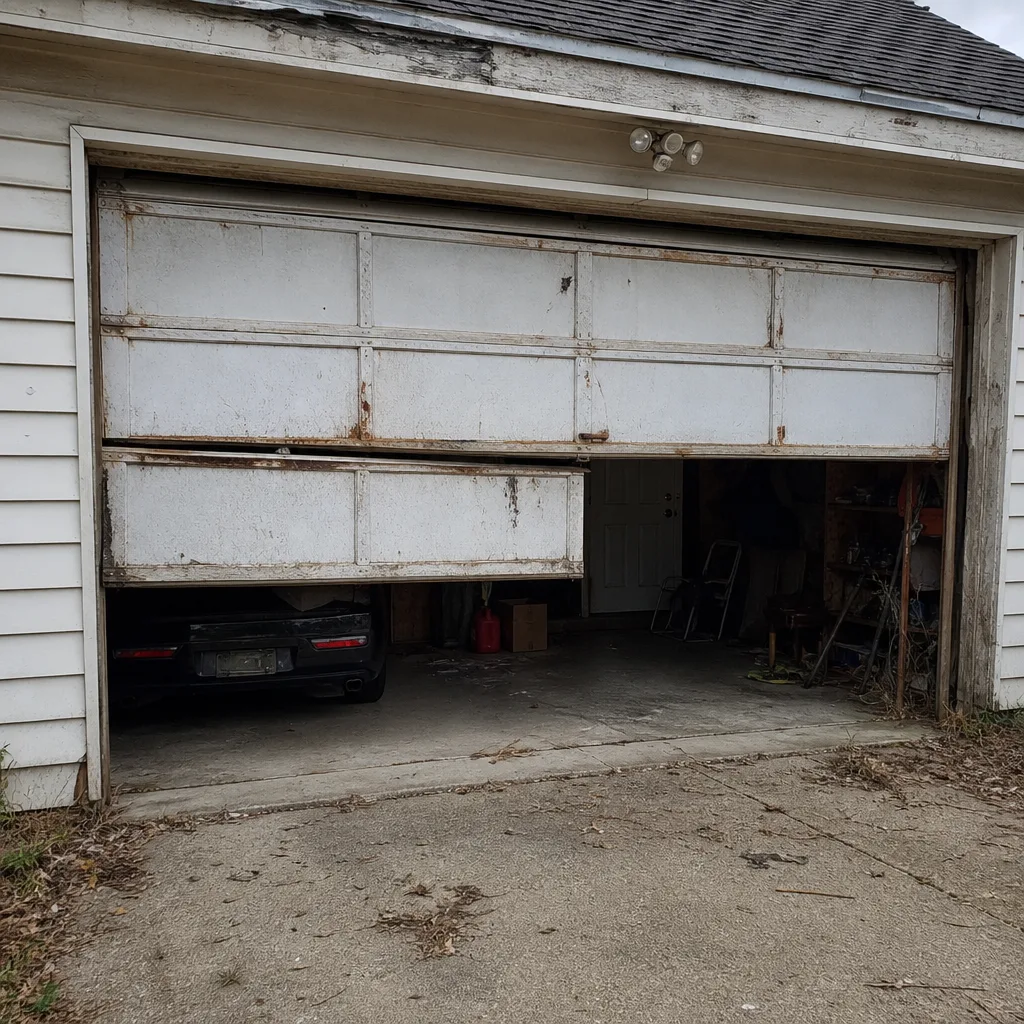 Before
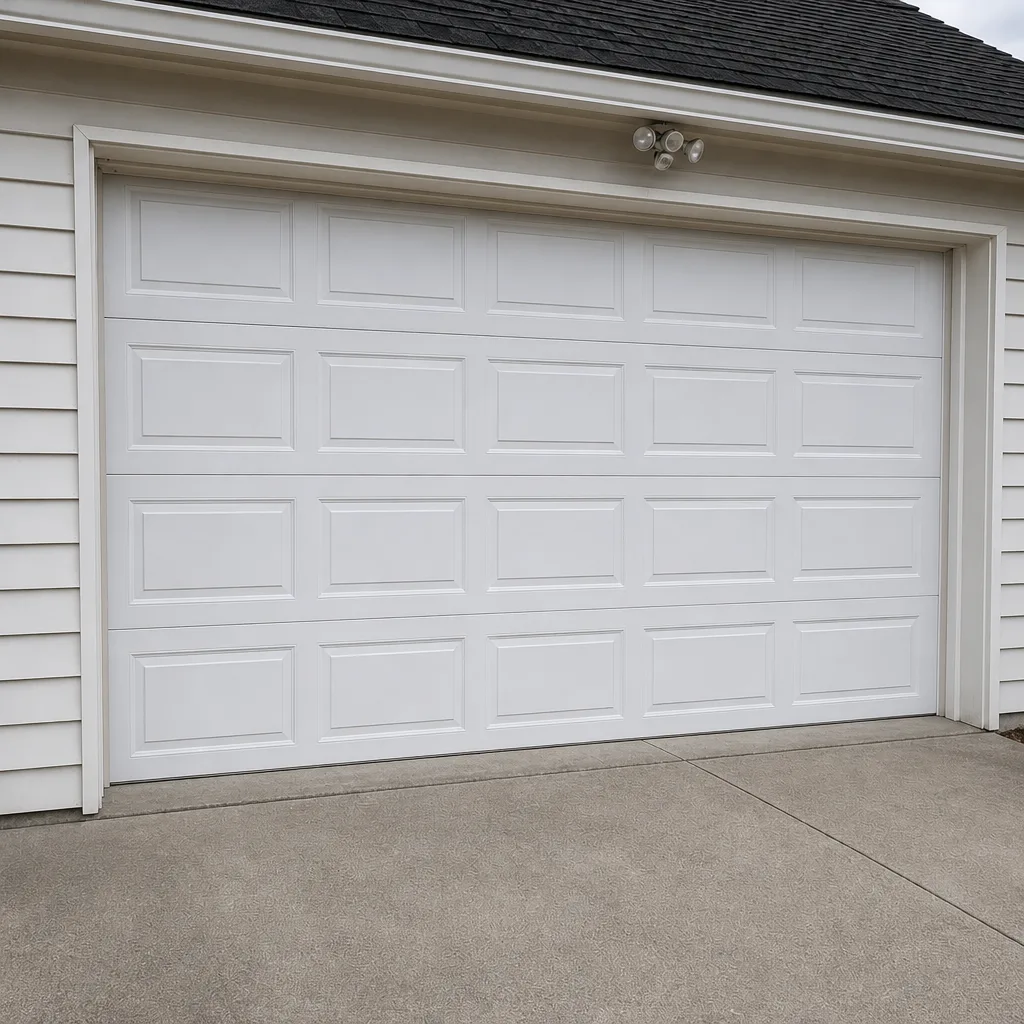 After
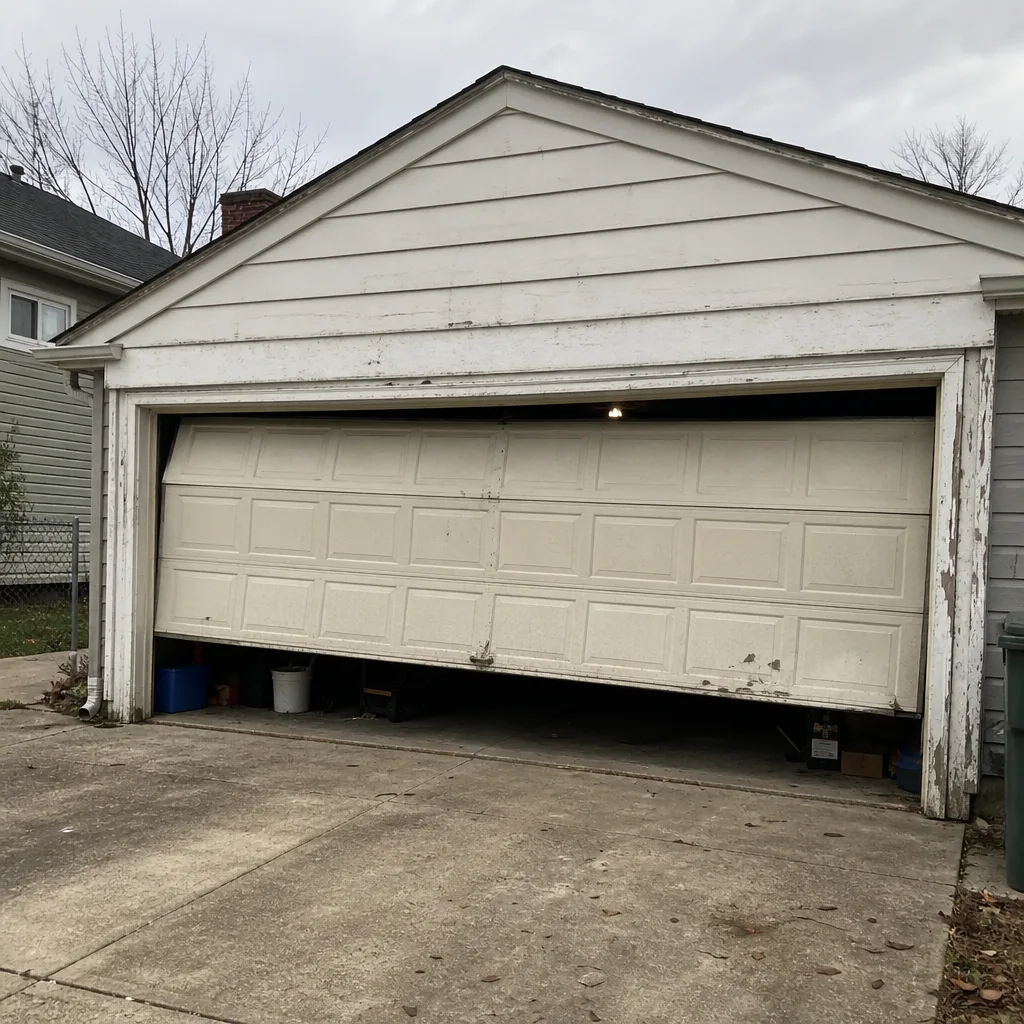 Before
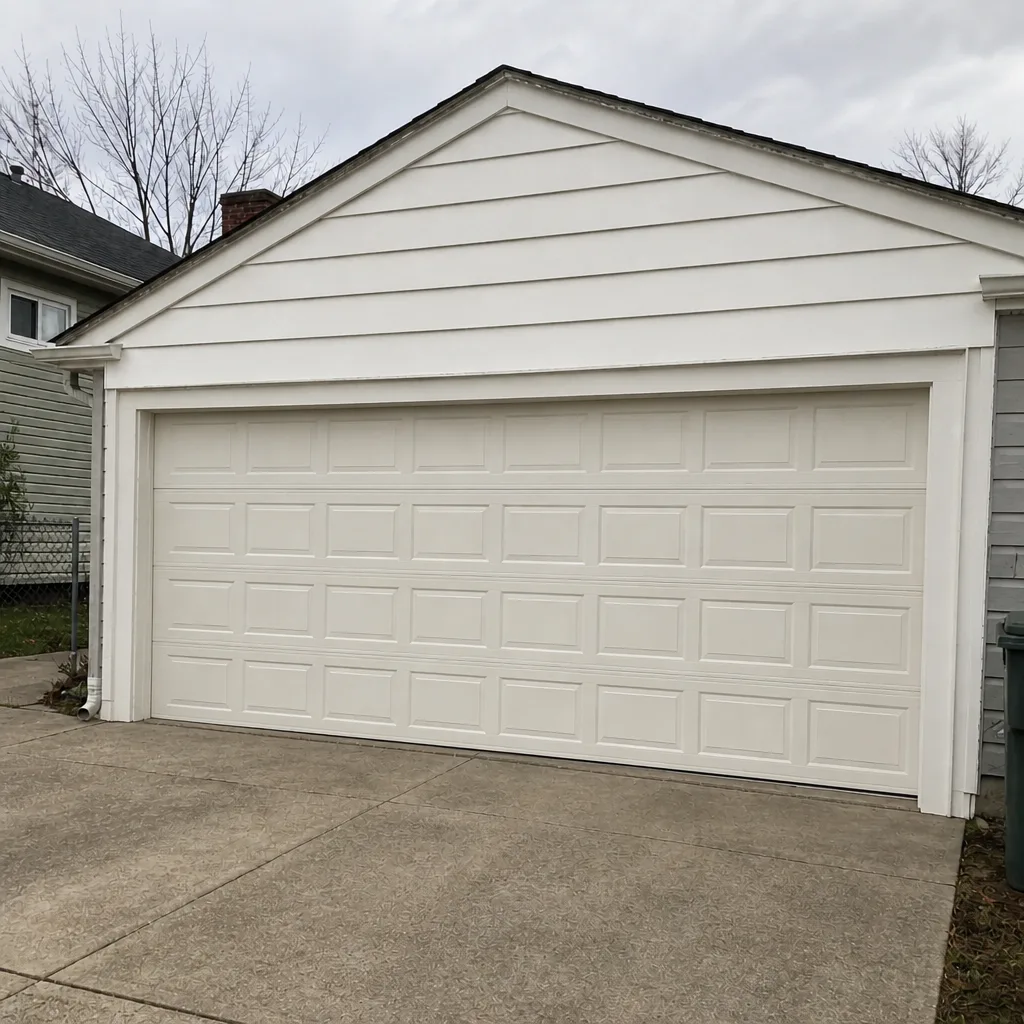 After
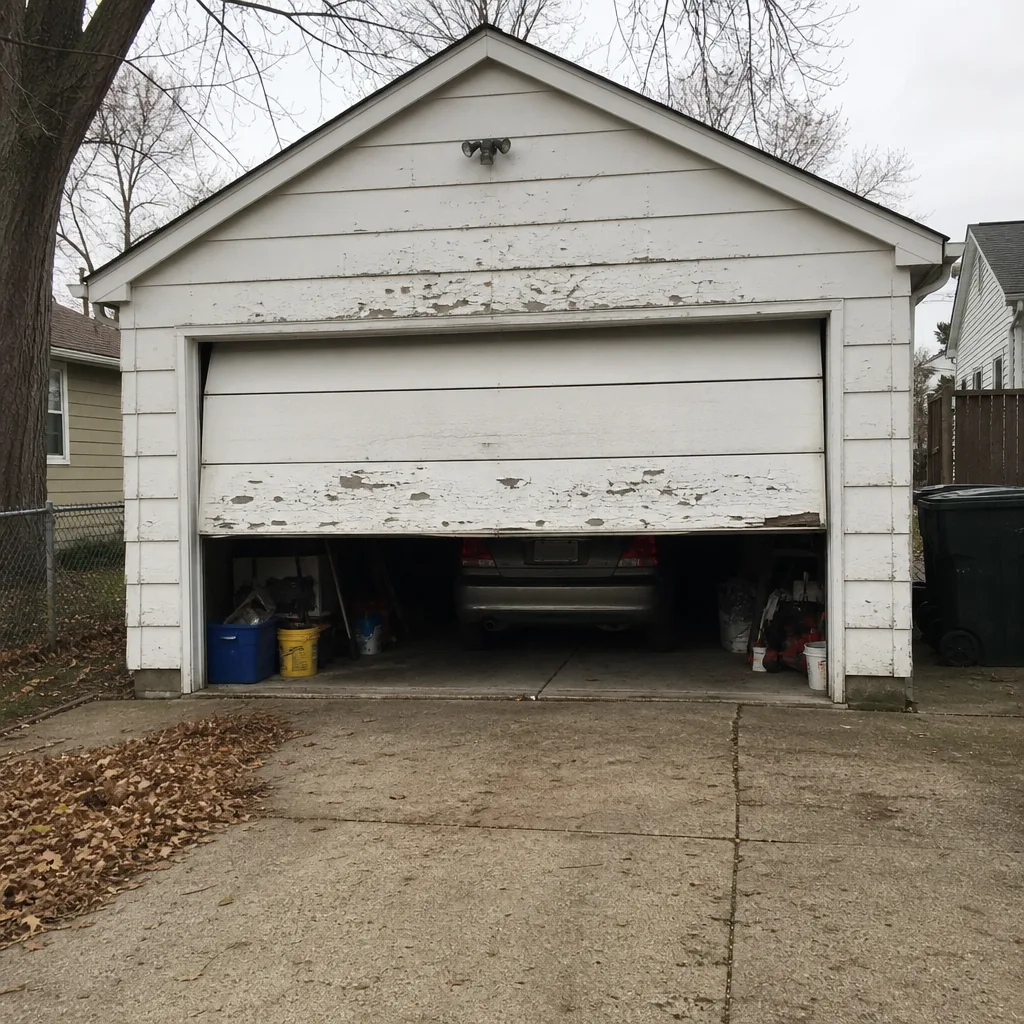 Before
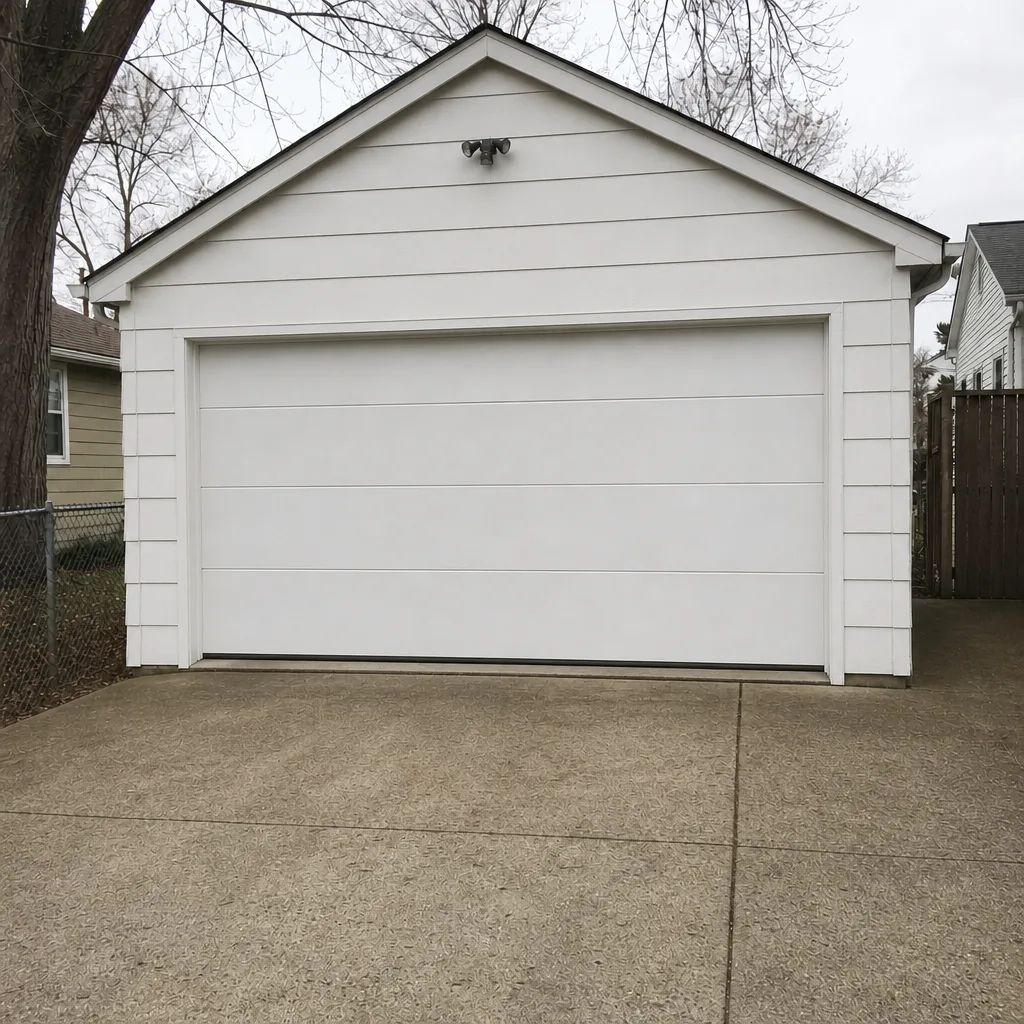 After
Common Mistakes to Avoid
- Forcing a frozen door with the opener. This is the single biggest reason springs snap in Lakewood. Disconnect the opener, melt the ice, then run the door. If it’s still stuck with the opener disconnected, the problem isn’t ice – it’s mechanical and needs a professional.
- Using the wrong lubricant. Standard oil thickens in the cold and can actually strain the opener. Switch to a cold-rated silicone or low-temperature lubricant before the first freeze, then re-lube with a moisture-resistant product for summer.
- Skipping the October check because the door “feels fine.” A door that feels fine in October can have a spring on its last few hundred cycles. The balance test takes 30 seconds and catches most of these before the freeze.
- Chipping at ice with a shovel or ice scraper. Every gouge in the bottom seal is a next-year leak. Use warm water or a hair dryer on low, never metal tools.
- Ignoring the bottom seal because it “still works.” A cracked seal is cheap to replace and expensive to ignore. It’s the door’s first line of defense against both winter freezing and summer humidity.
- Letting rust bloom on track brackets go unchecked. Frost and freeze-thaw condensation attack every threaded joint. A bracket that’s rusted loose in October can shear off in January.
- Trying to fix a spring or cable yourself. Torsion springs and lift cables are under extreme tension. This isn’t a “be careful and it’ll be fine” job. It’s a trained-professional job, and a serious injury is the realistic risk.
Frequently Asked Questions
The October prep is the single most important item on the calendar. In a lake-effect zone, the first hard freeze locks in whatever state the door is in, so a fall tune-up that covers the bottom seal, lubricant, spring balance, and opener battery backup is what prevents most winter failures. Everything else in the calendar builds on that foundation.
Twice a year is standard here: once in October with a cold-rated lubricant before the freeze, and once in April after the thaw with a moisture-resistant product. If your door runs more than 6 times a day (a busy household with multiple drivers), a third check in July is worth it, particularly on the hinges and rollers.
A frozen door is almost always a bottom seal problem. Meltwater gets under the seal, refreezes overnight, and bonds the door to the concrete. The fix is a properly sealed threshold and an intact bottom seal before the first freeze. If your door freezes shut more than once in a winter, the seal or threshold needs replacing, not just chipping.
Yes, and it’s common in Lakewood. When the seal bonds to the concrete, the opener’s first cycle pulls against the bond, which loads the torsion spring with extra force. If the spring was near the end of its life, that extra force is what pushes it over the edge. Never force a frozen door. If a spring does break, that’s a stop-the-door situation. Call (833) 468-5586 for a free estimate on spring repair.
Look for orange, flaking rust around the bolt heads on the track brackets and bottom fixtures, and check whether the brackets move when you wiggle them by hand (never while the door is under spring tension with the opener engaged). Loose or cracked brackets are a fail point in midwinter, so catching them in fall is what matters. If you find one, call a professional. Don’t try to swap it yourself on a live spring door.
Service it before it fails. The seasonal stress in Lakewood is real and predictable, and the pattern we see is that doors needing the most work in January are the ones that got the least attention in October. A free estimate in fall is faster and less expensive than an emergency call in a January cold snap. Call (833) 468-5586 for a free estimate.
The Bottom Line
Four seasons, four different jobs. Fall prep is the make-or-break window in Lakewood: a bottom seal, cold-rated lubricant, a fresh battery backup, and a hand-balance test get the door through the first freeze. Winter is about not forcing a frozen door, which is how springs break. Spring is a hardware inspection after freeze-thaw – cables, drums, rollers, track alignment. Summer is about humidity: wood panel swelling, steel door paint adhesion, and the bottom seal as the first line of defense. The month-by-month calendar puts the heavy lifting in October and March, which is what makes the rest of the year light-touch. And anything under tension – springs and cables – is a trained-professional matter, not a maintenance item. Channing Garage Door Repair is a dedicated garage door specialist, not a general contractor, and our technicians have up to 13 years of experience working on the brands you already own. Free estimates in Lakewood.
If your door is due for a seasonal check, or if something’s already failing, call Channing Garage Door Repair at (833) 468-5586 for a free estimate. We answer 24/7, with fast dispatch from 7am to 7pm, Sunday through Friday. We’re closed on Saturday. A call outside dispatch hours is booked into the next opening. Garage doors are all we do, so the fix is on-site and priced up front in writing – the amount quoted is the amount you pay. Back on track today.
Written by the team at Channing Garage Door Repair.