
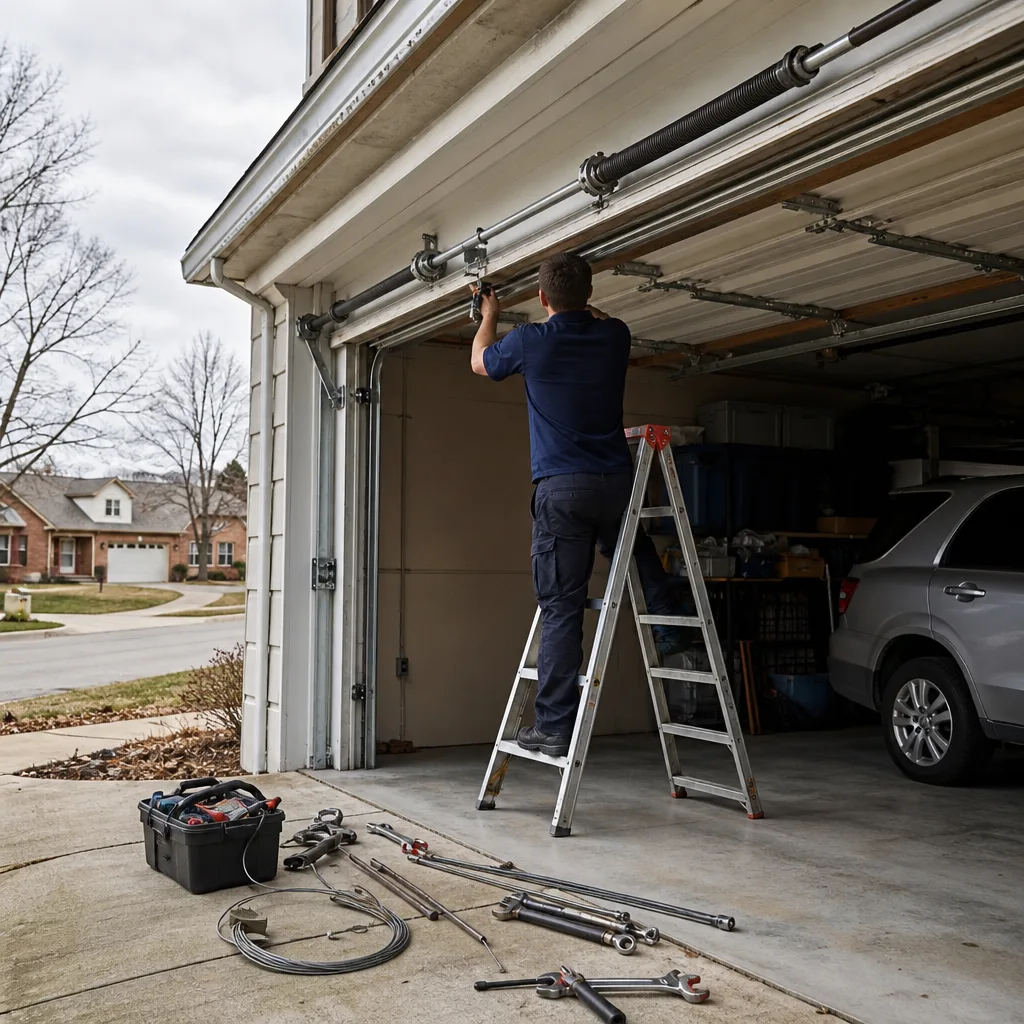
Last updated November 23, 2026
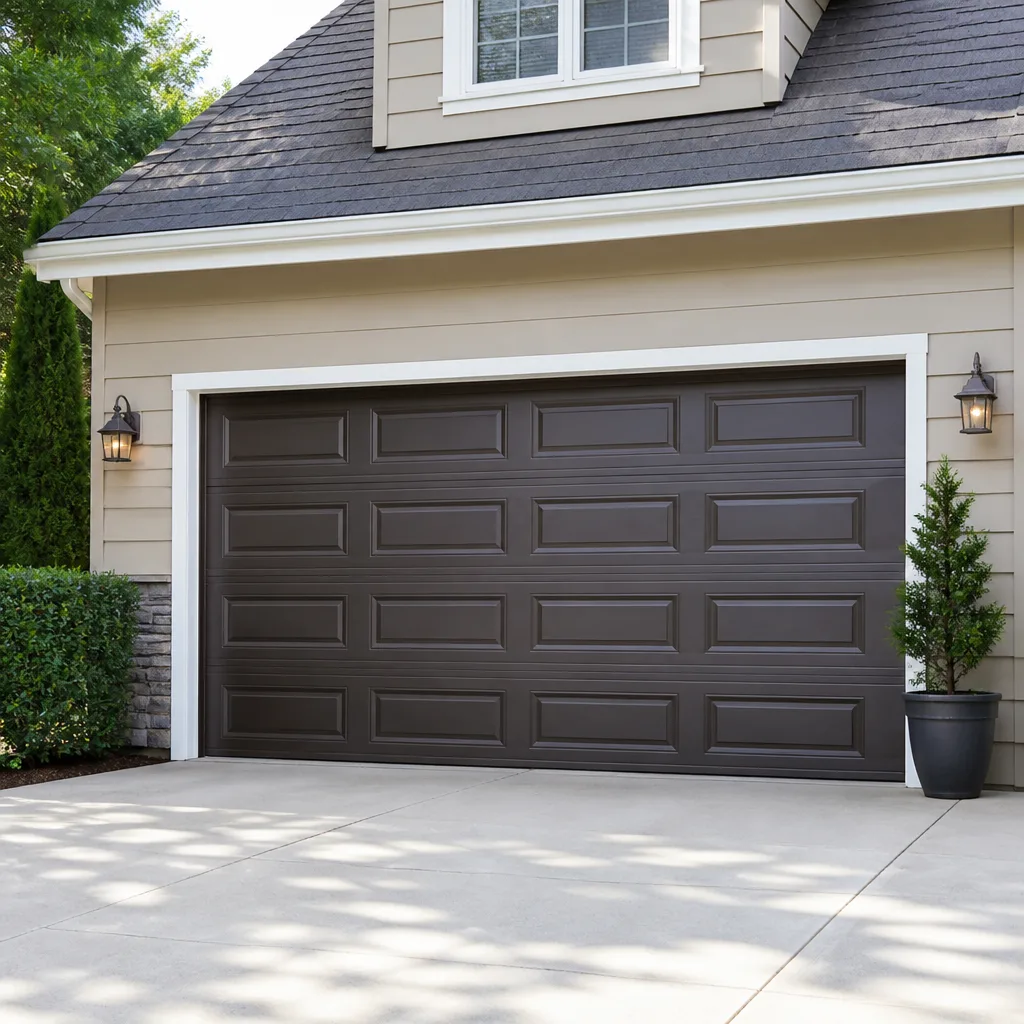 Raised-panel steel
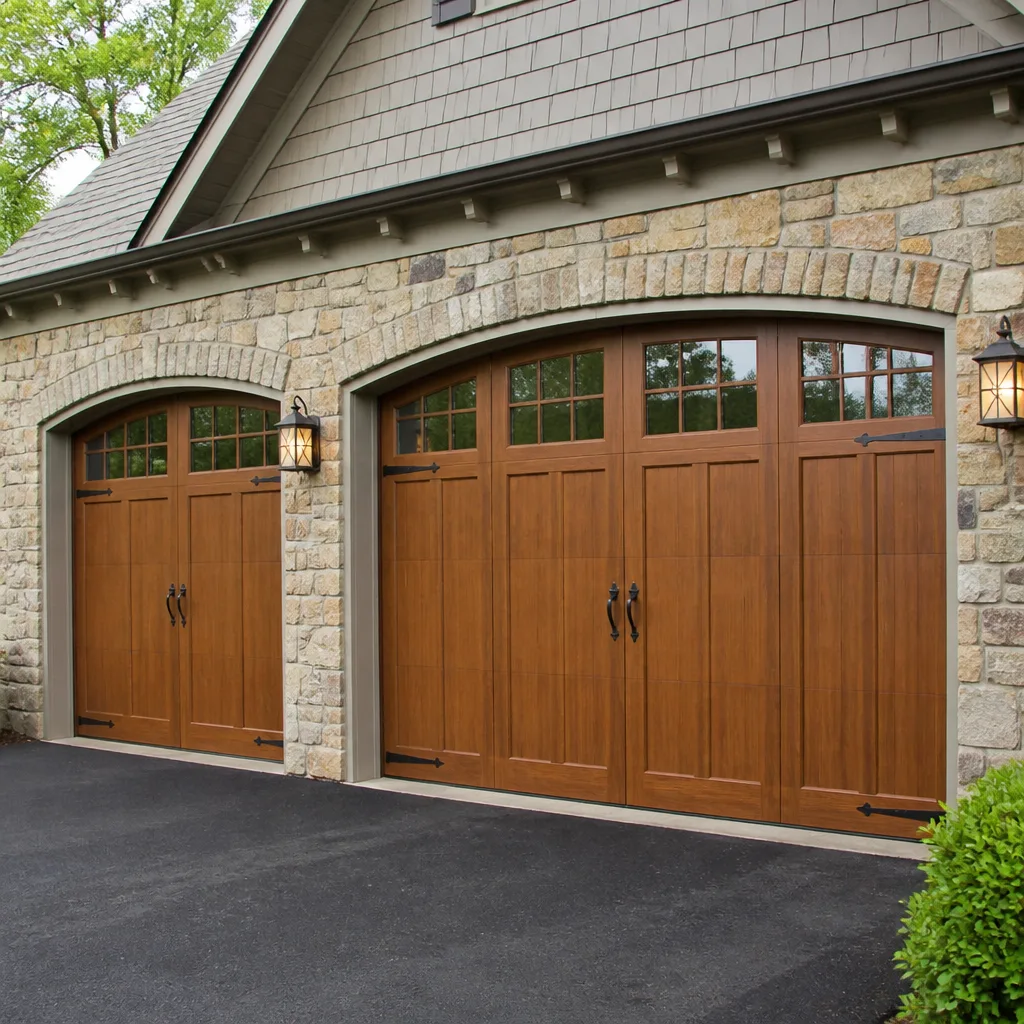 Carriage house
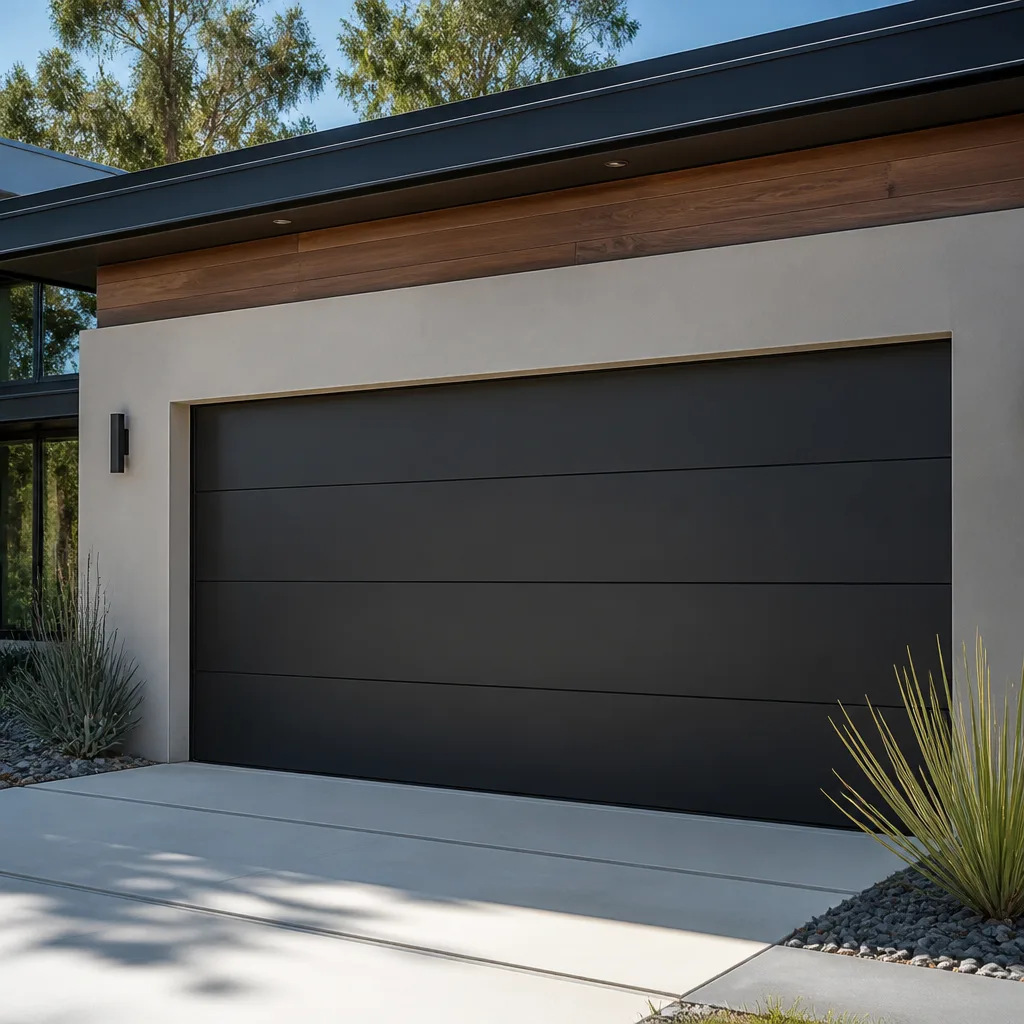 Modern flush
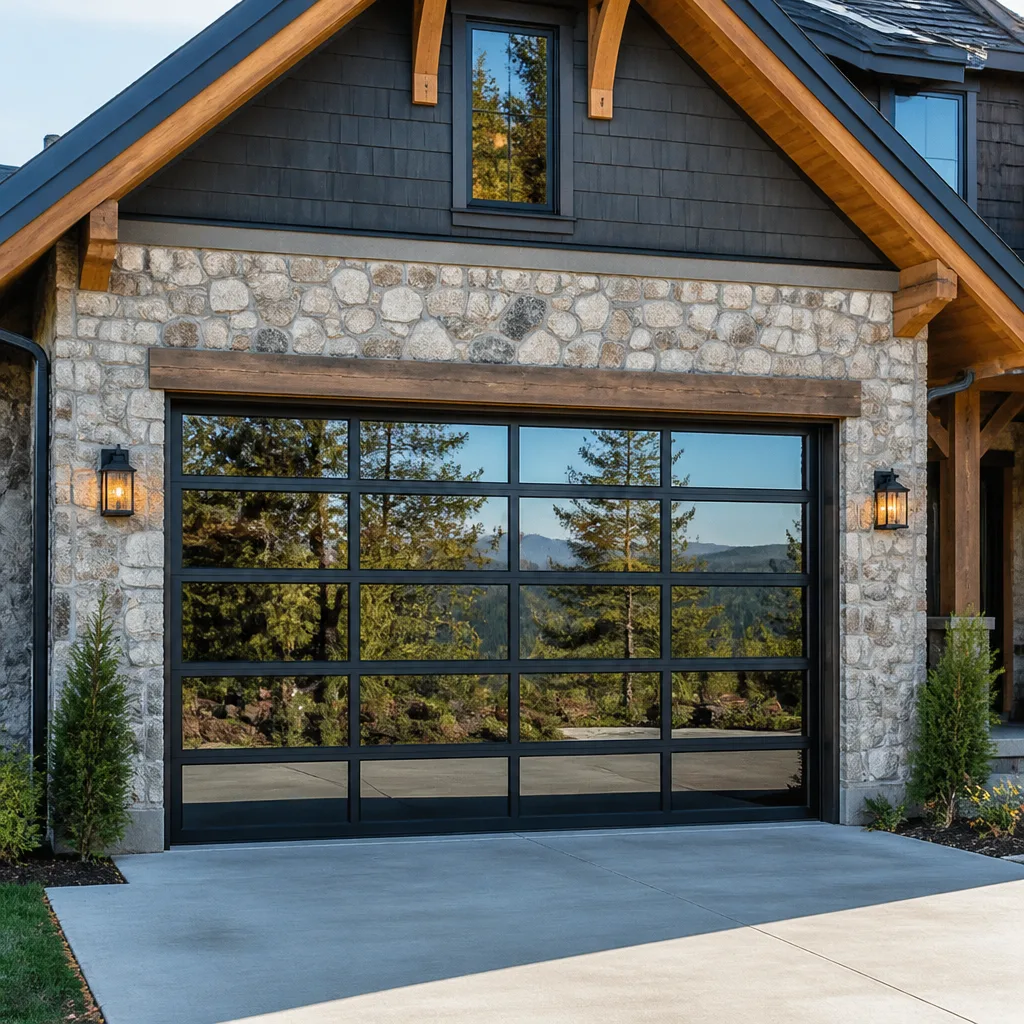 Full-view glass
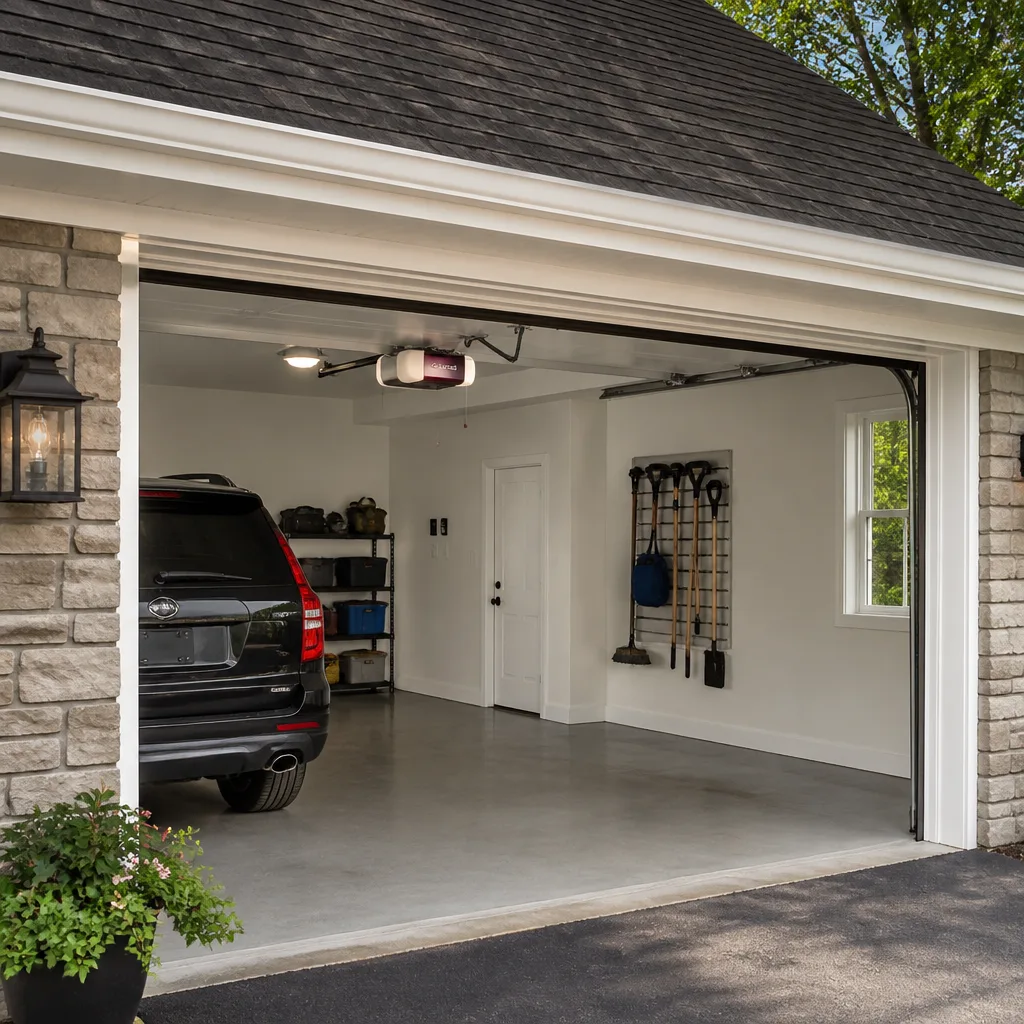 LiftMaster openers
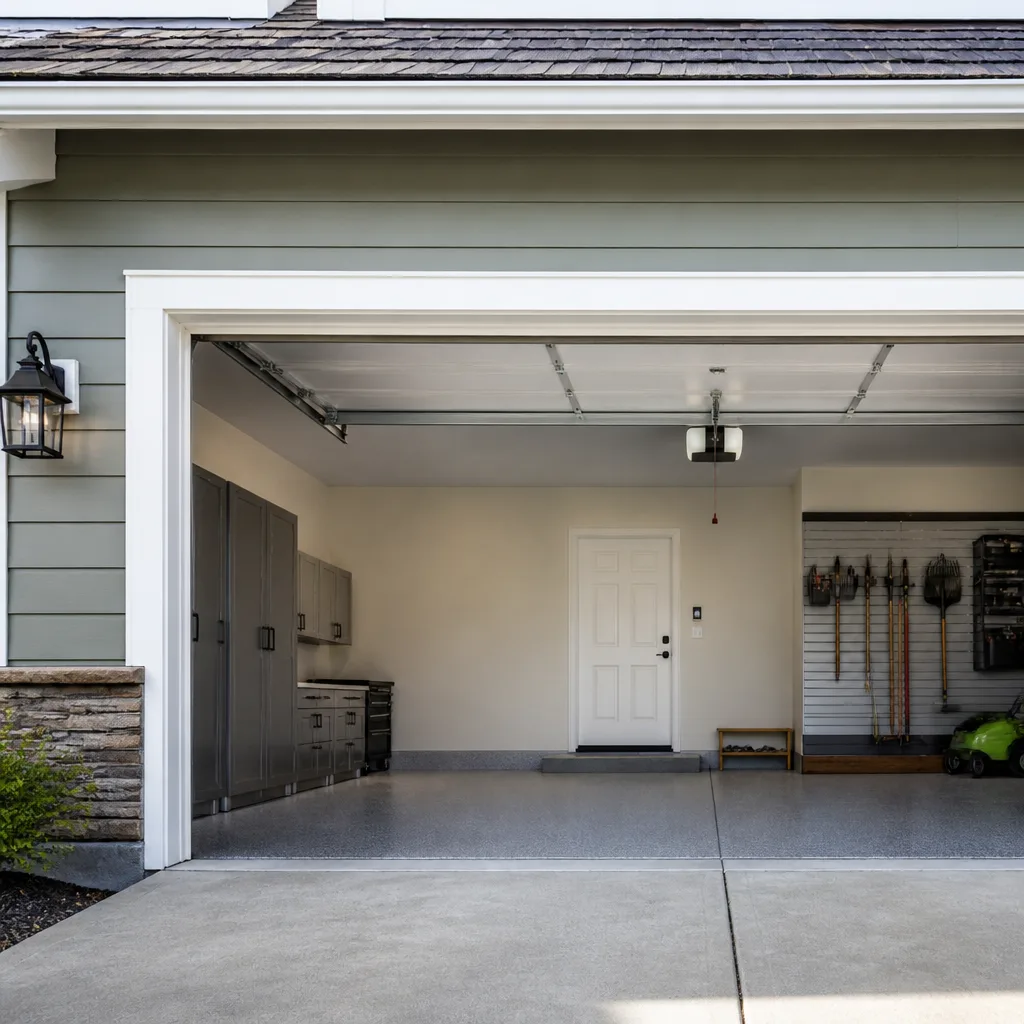 Chamberlain openers
Full 25-point door and opener safety check with every visit - springs, cables, rollers, tracks, and your LiftMaster or Chamberlain opener included
You get a price before we start. It does not change when the pro arrives.
Get your free estimateChoosing the Right Garage Door Brand: A Buyer’s Guide for Lakewood
Most homeowners in Lakewood start brand shopping in the wrong place. They compare what they see at a big-box showroom, or they Google “best garage door brand” and get a list built on advertising reach, not performance. Here’s the counterintuitive part: most major brands make a solid door, and the two most-advertised names don’t automatically win. What separates a door that still looks and runs right in year three from one that’s already showing its age is how its insulation core, steel gauge and finish system handle Lakewood’s specific freeze-thaw cycles, lake-effect moisture and older housing stock. This guide walks through that comparison in plain terms so you can buy for how you’ll actually live with the door.
Quick Answer
The “best” garage door brand in Lakewood depends on the opening, not the logo. For most homes here, a well-fitted steel door in a mid-weight gauge with a good finish system matters more than which of the big four made it. Clopay, Amarr, Wayne Dalton and Raynor all build credible doors, but they differ in insulation construction, steel weight, warranty terms and custom-sizing options. Match the door to your garage’s actual dimensions and your home’s exposure before you compare brand names.
Styles & brands we work with
- Raised-panel steel
- Carriage house
- Modern flush
- Full-view glass
- LiftMaster openers
- Chamberlain openers
Table of Contents
- Why Lakewood Weather Is Hard on Garage Doors
- Clopay vs. Amarr vs. Wayne Dalton vs. Raynor: A Side-by-Side Comparison
- What Steel Gauge Really Means Across Brands
- Non-Standard Widths and Heights for Lakewood’s Older Garages
- Matching Your Door Brand to Your Opener
- What a “Lifetime Warranty” Actually Covers
- Which Warranties Transfer at Resale
- A Step-by-Step Way to Choose
Why Lakewood Weather Is Hard on Garage Doors
Lakewood sits on Lake Erie, and that geography quietly drives how a garage door ages. Lake-effect snow and rain mean the door’s bottom seal and lower panels take repeated moisture exposure. Freeze-thaw cycles in late winter are the real villain: water seeps into small gaps, freezes, expands and pries at seams, then thaws and does it again. A door with a cheap bottom seal and a thin finish system starts showing rust along the bottom edge within a few winters. A better-built door shrugs it off.
The housing stock compounds it. Many Lakewood garages are detached or older attached units, built decades before anyone worried about thermal efficiency. That means unheated spaces, uneven floors and openings that don’t match today’s standard sizing. A brand’s engineering has to work inside those realities, not against them.
Here’s what we watch for in a door meant to survive Lakewood conditions:
- Bottom seal design. A good seal sits tight to a slightly uneven floor and resists water wicking up into the bottom panel.
- Finish system. Factory-applied finishes that include a base primer plus a top coat last longer than single-coat paint, especially on the lake side of town.
- Insulation core. A solid insulated core resists the panel flexing that can crack seams when temperatures swing.
- Hardware materials. Hinges, rollers and fasteners need to be plated to handle moisture, not just bare steel.
None of this is about one brand beating another outright. It’s about understanding that a national ad campaign doesn’t account for a lakefront street’s moisture load. Buy for construction and fit, and you’ll get years more out of the door.
Clopay vs. Amarr vs. Wayne Dalton vs. Raynor: A Side-by-Side Comparison
These four brands dominate residential garage door conversations in Northeast Ohio. They aren’t interchangeable, but the differences are subtler than marketing suggests. The table below compares the factors that actually matter in Lakewood’s climate: insulation construction, steel weight, finish warranty and bottom seal design. Treat this as a field guide, not gospel – each brand offers multiple product lines, so ask for the specific model’s specs.
| Factor | Clopay | Amarr | Wayne Dalton | Raynor |
|---|---|---|---|---|
| Insulation approach | Offers polyurethane and polystyrene core options; some lines sandwich insulation between two steel skins for rigidity. | Polyurethane and polystyrene options; strong on fully insulated steel lines. | Offers insulated and non-insulated; foam-injected options on premium lines. | Known for insulated steel and carriage-house styles with solid cores. |
| Steel gauge range | Varies by line; mid-weight steel on most residential doors, heavier on premium. | Varies by line; comparable mid-weight steel with heavier options. | Generally lighter steel on entry lines; heavier on higher tiers. | Typically heavier-gauge steel across its residential offering. |
| Finish approach | Factory-applied finishes with multi-step coating on many lines. | Factory-finish systems with varied warranty lengths. | Factory finishes; warranty varies widely by tier. | Strong factory finish reputation, especially on wood-look steel. |
| Bottom seal design | Standard and heavy-duty weather seals available; needs correct installation. | Replaceable bottom seals standard on many doors. | Replaceable seals; quality varies by line. | Strong on weather seals, which helps in lake-effect climates. |
| Since gauges vary line to line, ask for the model spec sheet before committing. |
In our work around Lakewood, the practical takeaway is simple: within any one brand, the tier matters more than the name. A premium tier from Wayne Dalton can outperform an entry tier from a pricier brand. The insulation core and seal matter as much as the model name. Ask your installer to show you both, and if a door needs service down the line, our garage door repair work covers every one of these brands.
What Steel Gauge Really Means Across Brands
Here’s a spot where a lot of buyers get quietly misled: a 24-gauge door from one brand isn’t the same as a 24-gauge door from another. Gauge is a measure of steel thickness, and lower numbers mean thicker steel. But the number on a spec sheet tells you one dimension of a panel. It doesn’t tell you about the steel’s alloy, the galvaneal coating protecting it, or how the panel is roll-formed. Two doors both labeled 24-gauge can bend and resist dents very differently.
Here’s how gauge plays out for a Lakewood buyer:
- Thicker isn’t always better for a given opening. A heavy door needs stronger springs and a capable opener. On a lightweight older opener, an unnecessarily heavy door can shorten opener life.
- Coating matters alongside the gauge. A thicker panel with a thin protective coating can rust faster than a slightly thinner panel with a better coating. Given the freeze-thaw moisture here, coating quality deserves real weight.
- Section design affects stiffness. A door with deeper section ribs resists flexing better than a flat pan, even at similar gauge.
- Ask for the actual model spec, not just a gauge. A spec sheet will list gauge, coating, insulation R-value and hardware plating together – that’s the combination you’re evaluating.
If you’re shopping by phone, ask two questions: “What coating does this panel use?” and “What is the bottom seal made of?” If a seller can only quote gauge, they don’t have the full picture either.
Non-Standard Widths and Heights for Lakewood’s Older Garages
Many Lakewood garages predate the standard 7-foot opening. Older homes on some streets have narrow single stalls, low clearance or doorways built to fit early cars, not today’s SUVs. This is where the brand choice gets genuinely practical: some manufacturers offer more flexibility in custom widths, heights and track configurations than others.
Wayne Dalton and Amarr both offer a range of custom sizing options depending on the product line, and Raynor is known for flexibility on carriage-style custom doors. Clopay also offers custom sizing on several lines. But the important point is that custom sizing is a per-model question, not a per-brand guarantee. Confirm the specific model’s available sizes before you assume any of them can fit a 7-foot-6 or slightly odd opening without a special order.
Low headroom is another Lakewood reality. Older garages often have shallow ceiling clearance, requiring a low-headroom track setup rather than standard tracks. Brands that document low-headroom kits on their spec sheets save you a headache. The bottom line: measure the opening precisely, including headroom behind the door, before you choose a brand. The door has to fit, and the fit has more to do with your garage than with the logo.
Matching Your Door Brand to Your Opener
The door and the opener are a system, and mismatching them is one of the most common causes of premature wear. In Lakewood homes we see a lot of LiftMaster, Chamberlain and Genie openers already installed, and the good news is that most door brands work with all three – but there are real performance details worth checking.
- LiftMaster and Chamberlain share a lot of engineering because both fall under the same manufacturer family, so their safety sensor and remote compatibility is strong. A heavier insulated door needs an opener rated for the door’s weight and cycle count; match the opener’s horsepower and spring tension to the door.
- Genie openers pair well with most standard residential doors, but check the door’s balance. A slightly stiff heavy door will work an older Genie harder.
- Craftsman openers, still common on older Lakewood homes, are generally compatible with standard doors but may need a fresh safety sensor and careful adjustment after a new install.
The single biggest alignment issue isn’t brand compatibility – it’s tension. A new door needs its springs adjusted so the opener lifts only a balanced load. Get that right and a brand-matched or brand-mixed system runs for years. Our garage door opener repair service handles LiftMaster, Chamberlain, Genie and Craftsman systems daily.
What a “Lifetime Warranty” Actually Covers
“Lifetime warranty” is the phrase that sells the most doors and disappoints the most buyers, because the word “lifetime” is being used in at least three different ways across the industry. What the warranty covers, who it covers and for how long all vary by manufacturer and product line.
Broadly, here’s what you’ll find:
- Section and structural warranties. Many brands warrant the door sections against cracking and structural defects for the original purchaser’s lifetime – but not the finish, springs, rollers, hinges or opener.
- Finish warranties. These are almost always shorter, typically measured in years rather than lifetime, and often exclude damage from harsh elements or improper maintenance. Given Lakewood’s freeze-thaw and lake-effect moisture, a finish warranty is worth reading closely.
- Hardware and spring warranties. Springs and moving parts usually carry limited terms, often measured in cycles for springs. Nobody’s “lifetime” warranty covers a snapped torsion spring that broke under normal use.
- Labor is separate. Manufacturer warranties cover parts, not the labor to remove and replace them. That’s a real cost you should plan for.
Our advice: ask for the written warranty document, not the marketing summary. Look for the specific exclusions and the transferability clause before you commit.
Which Warranties Transfer at Resale
If you plan to sell your Lakewood home, warranty transferability matters more than most buyers realize. Some manufacturer warranties transfer to a new owner within a defined window and with specific notice, while others are non-transferable and die with your ownership. A house sale doesn’t automatically move a “lifetime” warranty to the buyer.
Three things determine whether a warranty travels with the house:
- The transfer rule. Some brands allow a one-time transfer within a set number of years of original installation, often requiring a written notice or fee. Others offer none.
- Documentation. Keep the original bill of sale, model number and warranty documents. A buyer’s inspector will often flag missing documentation, which becomes a negotiation point.
- The line, not just the brand. Premium lines often transfer; builder-grade entry lines sometimes don’t. Verify per model.
When we install a door through a vetted local professional, we tell homeowners to file the paperwork where it will be found at resale. It’s the kind of small step that saves time when someone buys the house.
A Step-by-Step Way to Choose
Putting it all together, here’s a practical sequence for choosing a brand in Lakewood without getting lost in marketing claims:
- Measure the opening first. Width, height and headroom. Identify whether your garage needs standard sizing, a custom width or low-headroom tracks. This narrows the brand list before you compare anything else.
- Decide whether you need an insulated door. If the garage is attached and you use it, insulation is worth the premium. If it’s detached and unheated, insulation still helps with rigidity and noise, but the priority shifts to finish and seal quality.
- Compare spec sheets, not brochures. Look at steel gauge, coating type, insulation core construction, bottom seal replacement and hardware plating side by side within your budget tier.
- Match the door weight to your opener. Confirm the door is compatible with your existing LiftMaster, Chamberlain or Genie system, or budget for an opener upgrade.
- Read the actual warranty document. Confirm the finish warranty length, the hardware exclusions and whether the warranty transfers.
- Get a written, itemized estimate. The price should be set per job by the written estimate before any work starts. Ask what happens if the opening is slightly off spec after measuring.
- Have the install verified. A good door badly installed performs worse than a modest door installed correctly – balance, track alignment and seal contact all matter.
Every one of these steps is something our technicians, with up to 13 years of experience, walk Lakewood homeowners through. Brands we service on a regular basis include LiftMaster, Chamberlain, Genie, Clopay, Amarr, Wayne Dalton, Craftsman and Raynor. Spring and opener work is separate from the door brand decision, and our garage door spring repair work applies to all of them.
Common Mistakes to Avoid
- Buying the brand that advertises the most. Advertising reach and door durability are unrelated. Ask for the spec sheet and read it.
- Comparing gauge across brands without context. A 24-gauge door from one maker isn’t identical to another’s; coating and section design change the performance.
- Ignoring headroom and opening dimensions. Lakewood’s older garages often don’t fit standard sizing. Measure before shopping or you’ll face a special order or a squeeze-in install.
- Assuming “lifetime warranty” covers labor and springs. It typically covers structural sections only. Read the exclusions or you’ll be surprised when a spring breaks.
- Not asking about warranty transferability. If you sell within a few years, a non-transferable warranty is worth far less to your buyer.
- Skipping the opener weight match. Putting a heavy insulated door on an old undersized opener shortens the opener’s life. Balance the door to the opener before install.
- Neglecting the bottom seal. In lake-effect weather, a cheap seal is the fastest path to rusted lower panels. Ask specifically what the seal is made of.
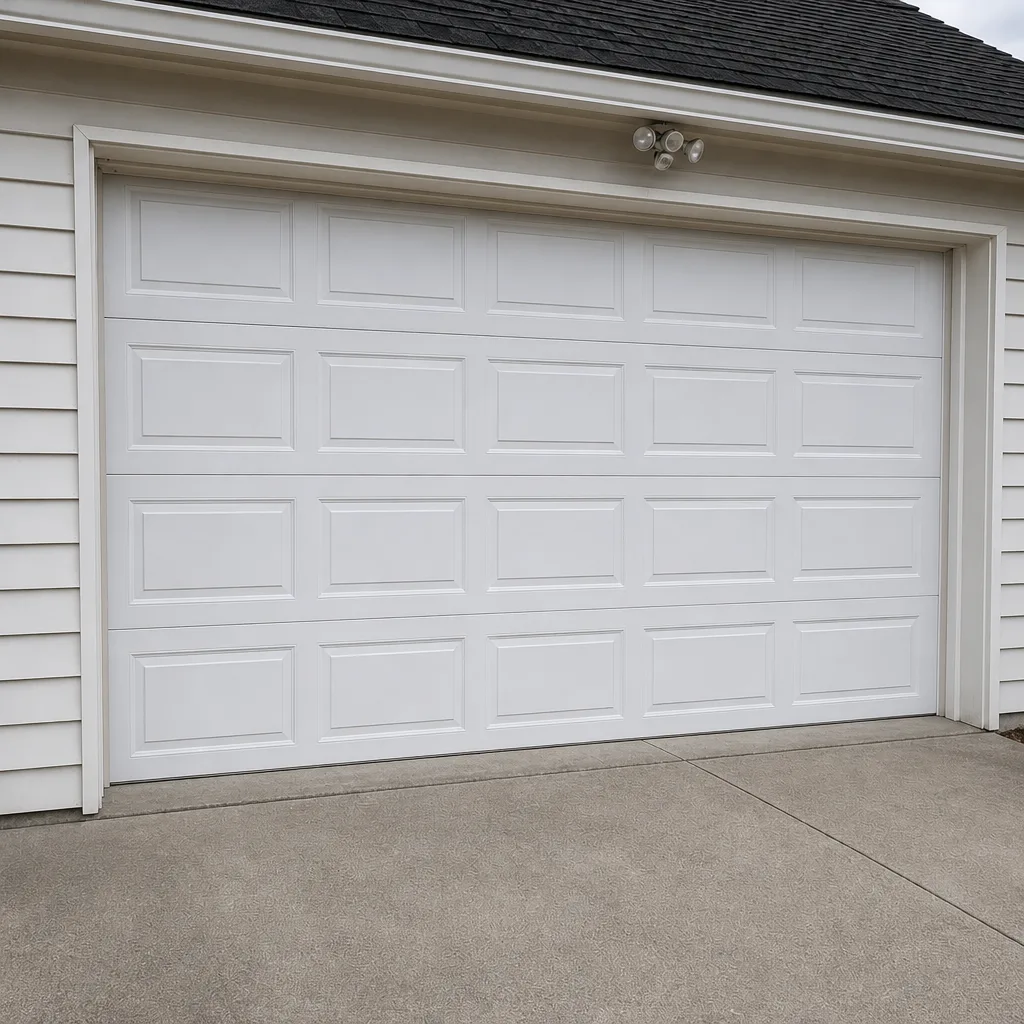
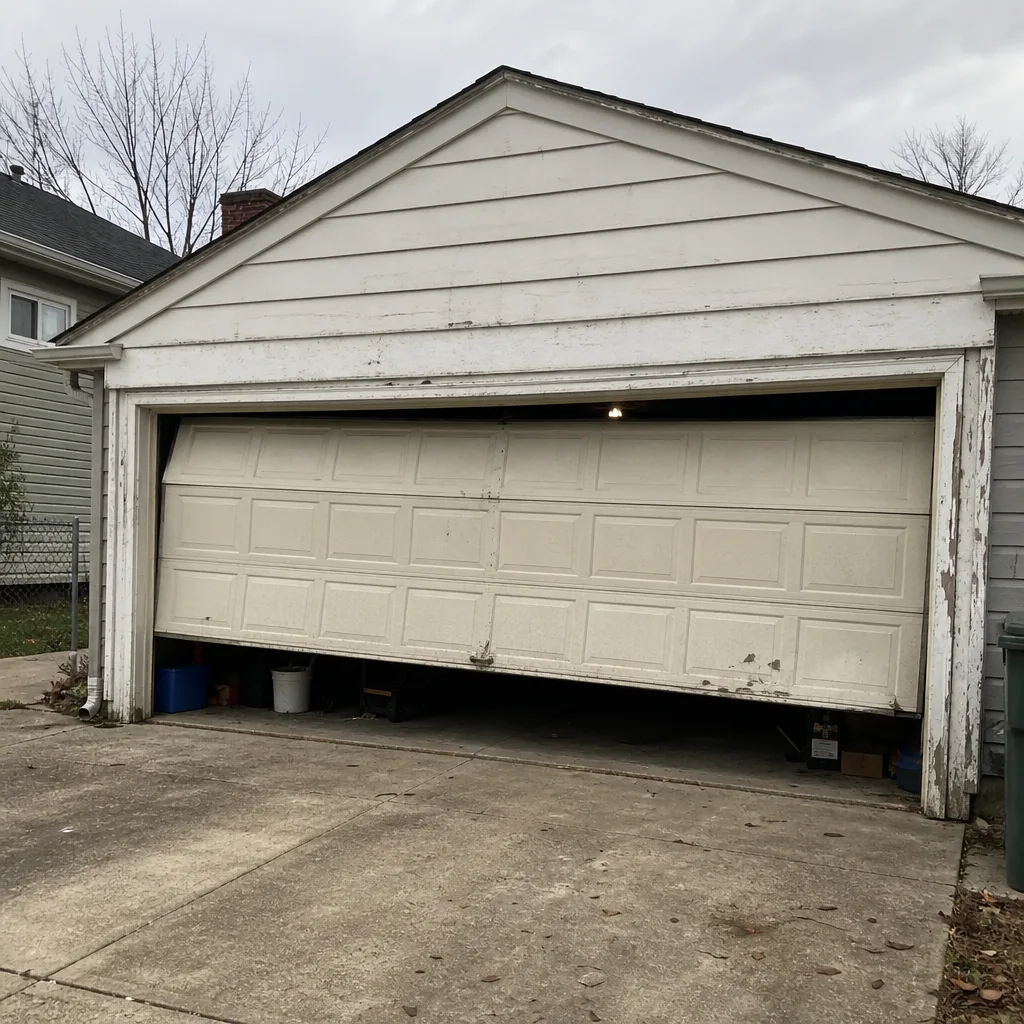
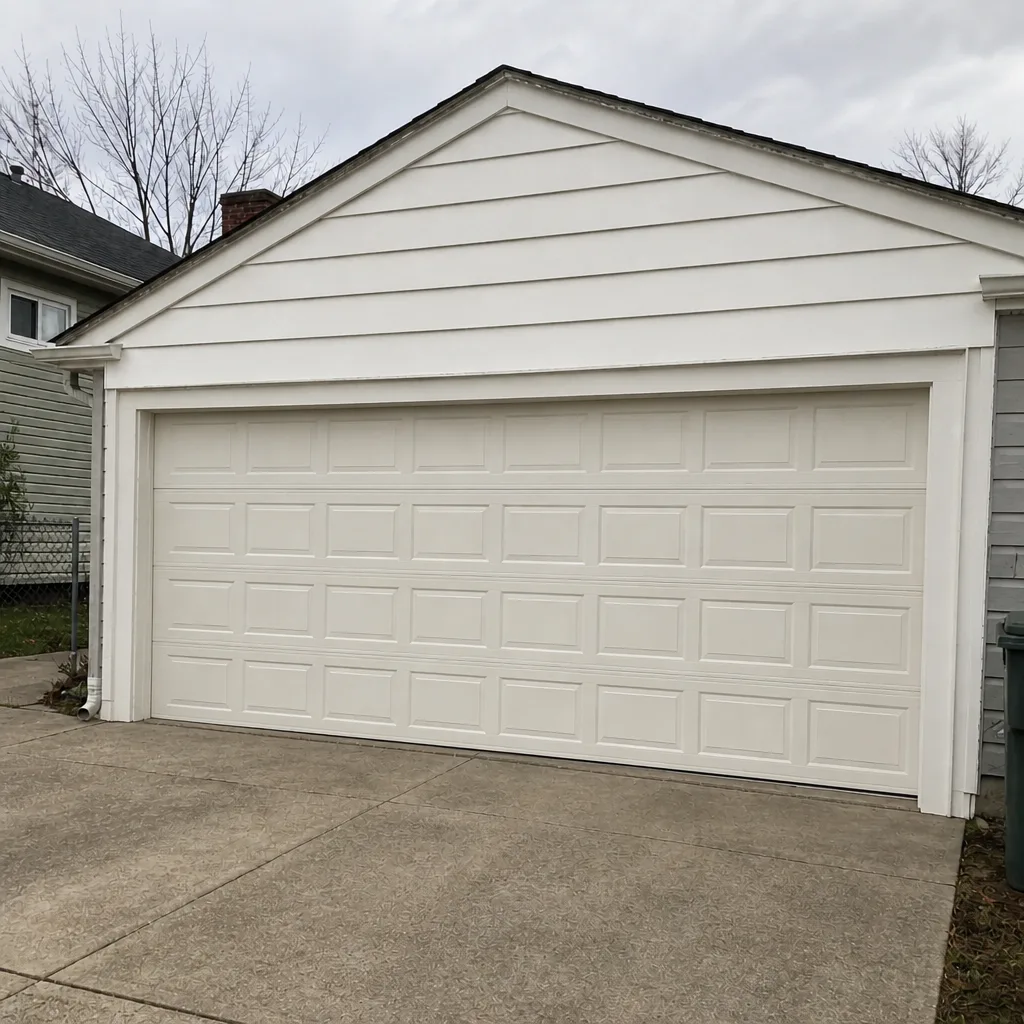
See the difference
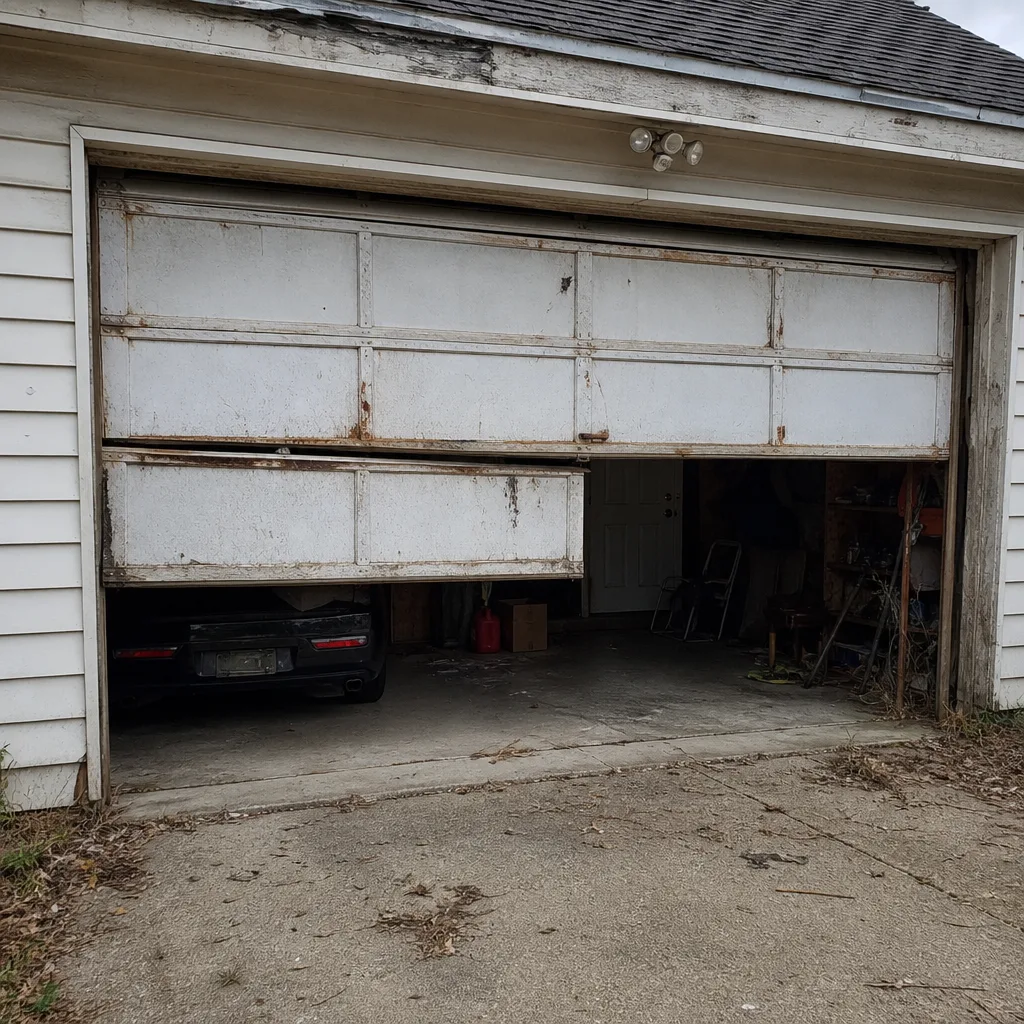 Before
 After
 Before
 After
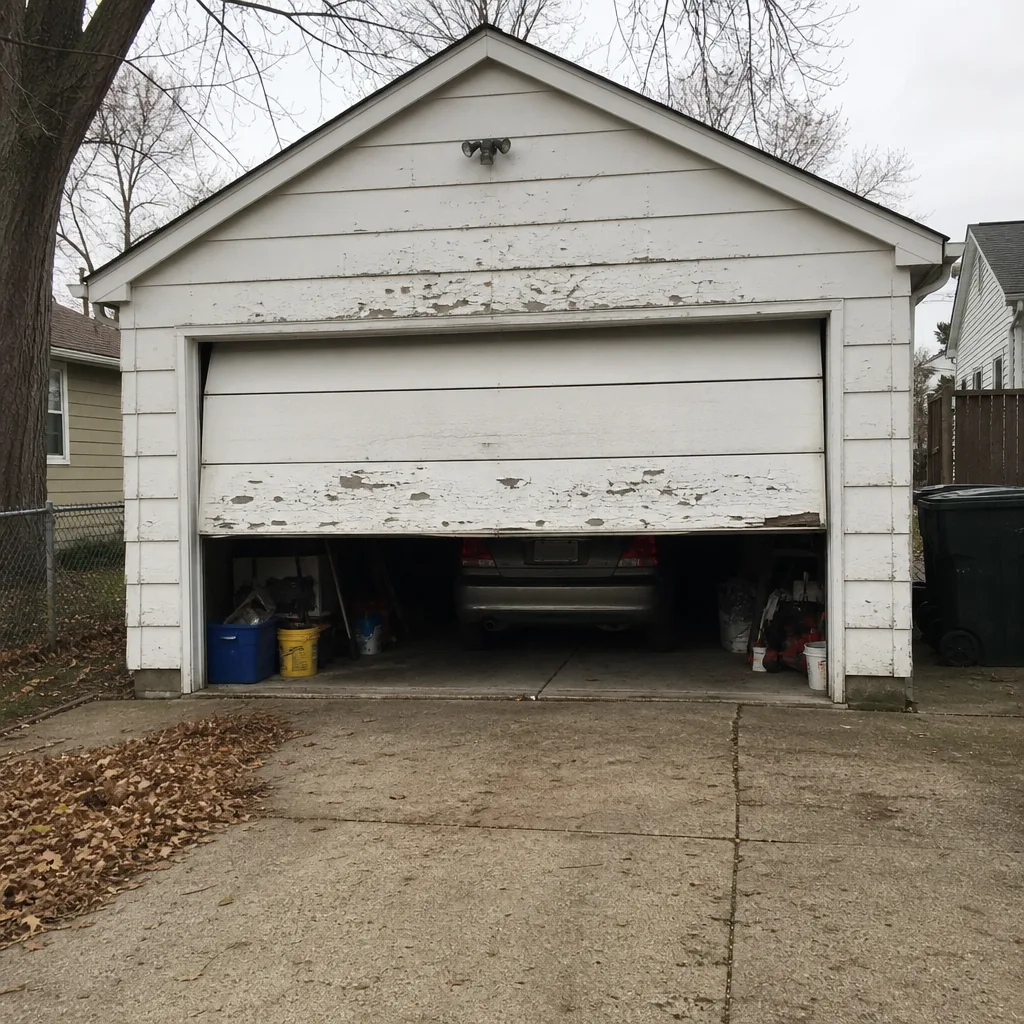 Before
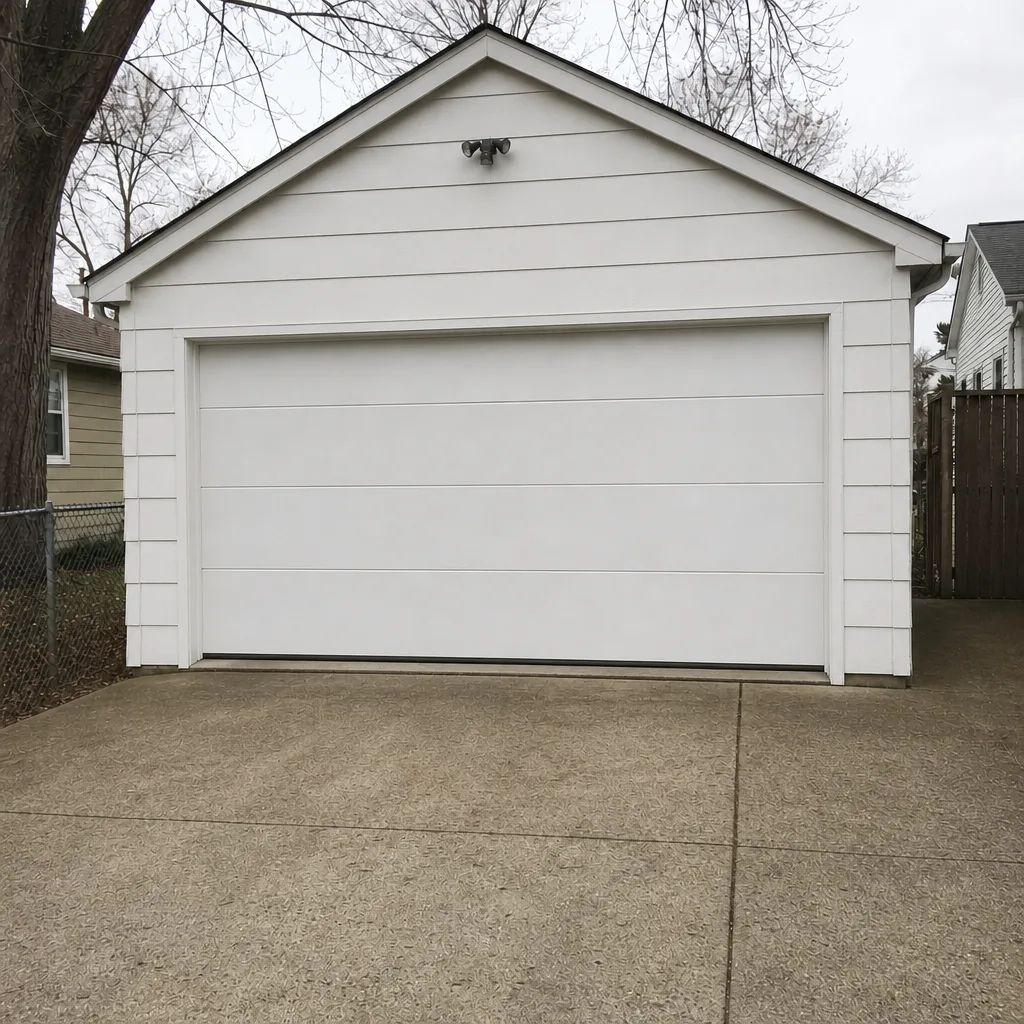 After
When to Call a Professional
You can compare brands and read warranty documents on your own. But certain jobs and situations should go to a trained garage door specialist. If your door is out of balance, off-track or the opener is straining, call before you buy new – the problem may be simpler than a replacement. Torsion and extension spring work, in particular, is genuinely dangerous: springs store extreme tension and can cause serious injury, so never attempt that yourself. If you’re sizing an odd opening, low headroom or want an honest comparison of what will actually work for a specific garage, a professional measure removes the guessing. If a door fails and you can’t wait, emergency service is available. Channing Garage Door Repair offers free estimates in Lakewood – call (833) 468-5586. We answer 24/7, with fast dispatch from 7am to 7pm.
Frequently Asked Questions
There’s no single best brand – the best choice depends on your opening and how you use the garage. For most Lakewood homes, a mid-weight steel door with good insulation, a strong finish system and a durable bottom seal matters more than the logo. Clopay, Amarr, Wayne Dalton and Raynor all make credible doors, so compare the specific model specs. Call (833) 468-5586 for a free estimate that matches a door to your actual garage.
A new garage door is priced per job by a written estimate, since the cost depends on size, insulation, material and opener compatibility. There’s no flat number because custom widths and insulated models vary. Get a written, itemized estimate before any work starts, and confirm the price includes installation, springs, tracks and hardware. Call (833) 468-5586 for a free estimate.
In most cases the door can be repaired rather than replaced. A snapped spring, a stuck opener, a bent section or an off-track door are repair jobs, not replacement signals – and we don’t push a replacement when a repair will do. If a door has multiple bent panels, deep rust or failed structure, replacement makes more sense. A professional diagnosis tells you which is which. Call (833) 468-5586 to book one.
Sometimes, depending on the brand and line. Some manufacturer warranties transfer once, to a single new owner, within a defined window and with required notice; others don’t transfer at all. Keep the written warranty document and the original bill of sale, and confirm the transfer clause before you buy. Call (833) 468-5586 if you need help reading your warranty terms.
For most homes, a mid-weight steel door with a strong protective coating is a solid choice. What often matters more than the gauge number is the coating (galvaneal or similar) and how the panel is roll-formed – those determine how a door handles freeze-thaw moisture. Ask for the model’s full spec sheet, not just a gauge. Call (833) 468-5586 and we’ll explain what to look for.
Yes, at least in the sense that you need one rated for the door’s weight and cycle count. Heavy insulated doors work best with an opener that matches their load, and with springs adjusted to balance the door so the motor lifts only the balance load. LiftMaster, Chamberlain, Genie and Craftsman systems are compatible with most doors when properly set up. Call (833) 468-5586 if you’d like your opener matched to a new door.
The Bottom Line
Choosing a brand for a Lakewood garage door comes down to fit and construction, not marketing. Measure the opening, decide your insulation and weight needs, and compare spec sheets rather than brochures. Steel gauge means something different from one brand to the next, and “lifetime warranty” usually covers sections, not parts, springs or labor. The four big brands all offer credible doors, and the right one for your home is the one whose engineering fits your garage. Call (833) 468-5586 for a free estimate and a written price. We answer 24/7, with fast dispatch from 7am to 7pm. Let’s get your door back on track.
Written by the team at Channing Garage Door Repair.