
Last updated November 23, 2026
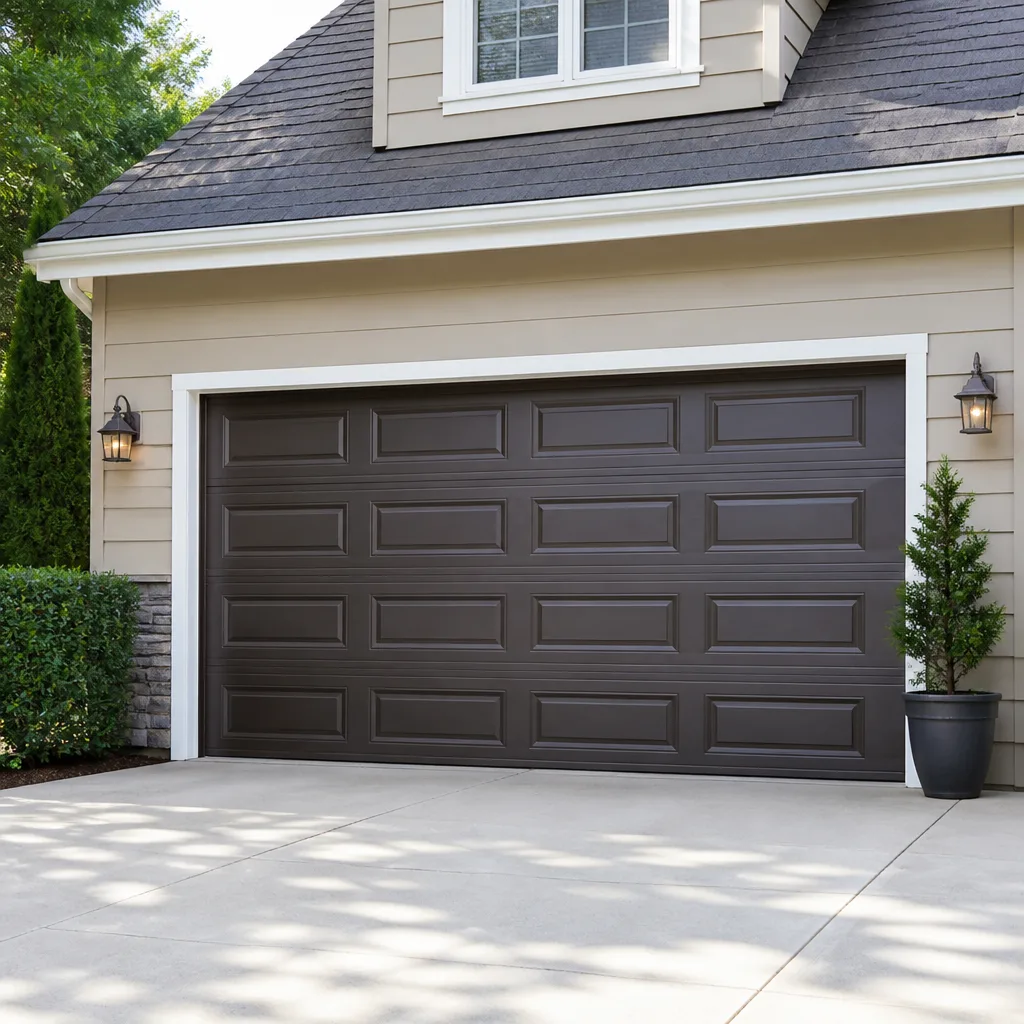 Raised-panel steel
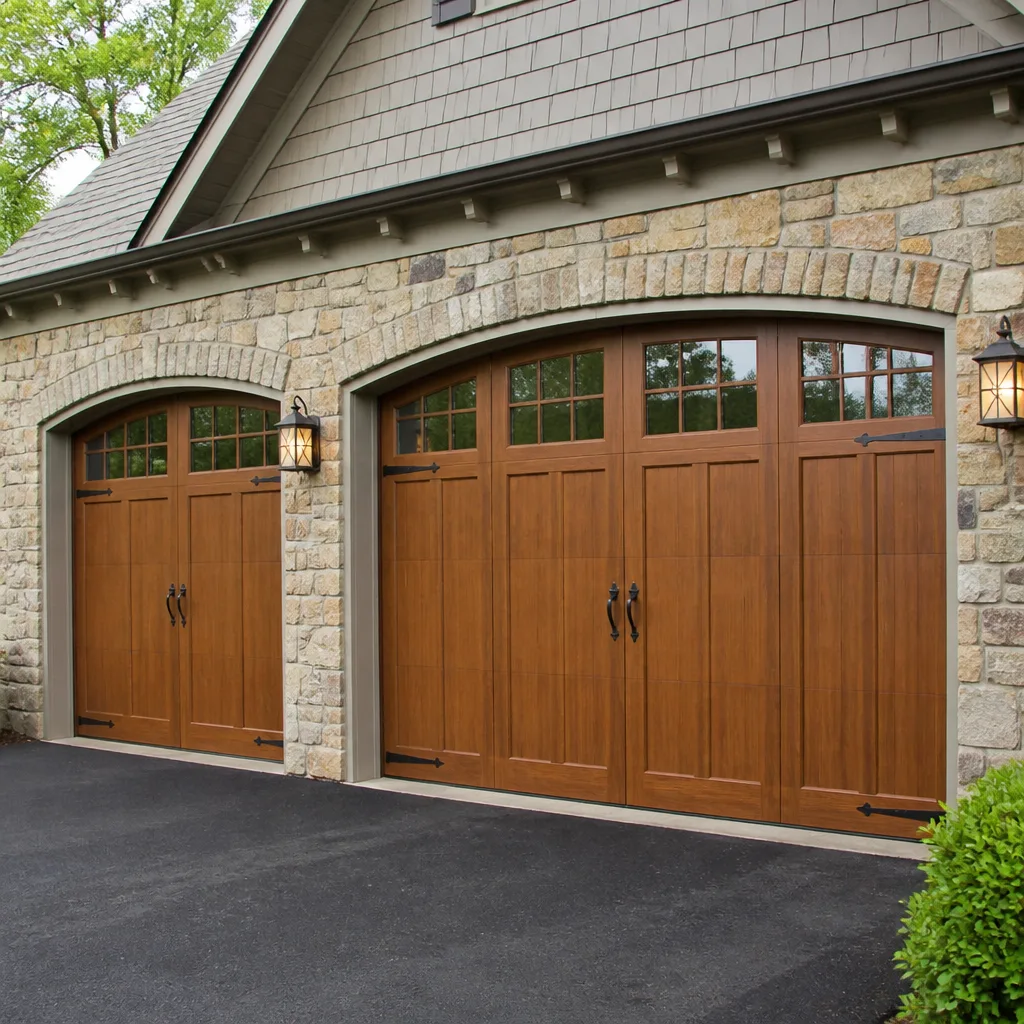 Carriage house
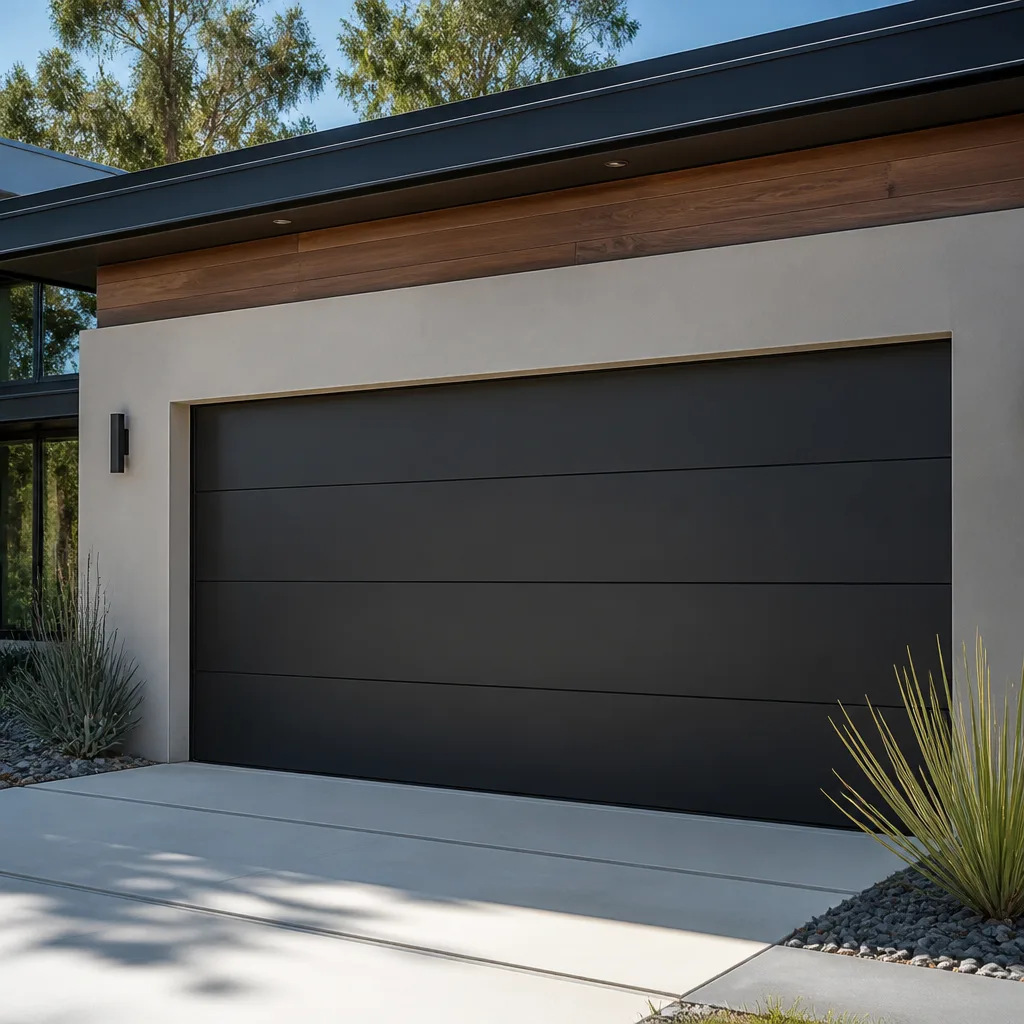 Modern flush
 Full-view glass
 LiftMaster openers
 Chamberlain openers
Full 25-point door and opener safety check with every visit - springs, cables, rollers, tracks, and your LiftMaster or Chamberlain opener included
You get a price before we start. It does not change when the pro arrives.
Get your free estimateGarage Door Warning Signs: A Lakewood Homeowner’s Reference Guide
A garage door that takes three seconds longer to close than it did six months ago isn’t “getting old.” It’s telling you that a specific component is failing, and the sign it’s giving off points to exactly which one. Most homeowners in Lakewood read the same sounds as normal door noise until something snaps at an inconvenient moment. The truth is that almost every major failure – a broken torsion spring, a sheared cable, a door that jumps its track – announces itself days or weeks in advance. This guide decodes what you’re hearing and seeing so you can catch the problem while it’s still a repair, not an emergency.
Quick Answer
The warning signs of a failing garage door in Lakewood are slow or uneven movement, a loud bang from the spring area, a door that reverses for no visible reason, visible rust or fraying on springs and cables, and a gap along the bottom edge when the door is closed. Each sign points to a specific part – torsion springs, cables, rollers, tracks, seal, or opener – and most are repairable without replacing the door. Catching them early turns a potentially dangerous breakdown into a scheduled fix.
Styles & brands we work with
- Raised-panel steel
- Carriage house
- Modern flush
- Full-view glass
- LiftMaster openers
- Chamberlain openers
Table of Contents
- What the Sound of Your Door Is Telling You
- Asymmetric Movement: One Side Faster Than the Other
- When the Opener Reverses for No Visible Reason
- Rust and Corrosion Checkpoints on Springs and Cables
- Diagnosing a Gap Along the Bottom of a Closed Door
- Which Signs Mean Stop Using the Door Immediately
- Seasonal Warning Signs Specific to Lakewood
- A Simple Monthly Inspection Routine
What the Sound of Your Door Is Telling You
Sound is the earliest and most reliable diagnostic tool you have, and the type of noise tells you which component is under stress. A worn roller produces a steady, dry grinding or rumbling that travels the length of the track. A fraying cable makes a sharper metallic rasp or a snapping tick as it runs through the pulley. A spring under uneven tension gives a boing or a hollow twang that pulses in rhythm with the door’s movement. Learning to separate these three sounds means you can describe the problem accurately before anyone touches the door.
Here’s how to tell them apart in practice:
- Grinding or rumbling that follows the track: rollers are worn or dry. The noise is continuous and low-pitched, and it gets louder as the door travels.
- Sharp metallic rasp or ticking: a cable is fraying or a pulley bearing is dry. The sound is high and irregular.
- Boing or twang that pulses: a torsion or extension spring is under uneven tension. The sound is hollow and often accompanied by a slight sway in the door.
- Loud bang followed by silence: a spring has likely already snapped. Stop using the door and call for garage door spring repair.
In our experience working on doors across Lakewood, the grinding and rumbling category is the most commonly ignored. Homeowners assume the door has always been loud. It hasn’t – it’s just been getting gradually louder over months. New rollers and a track cleaning quiet the door considerably, and the change is usually obvious the moment the door moves.
One more sound worth flagging: a single heavy clunk or thud at the top or bottom of travel. That’s often a torsion spring winding down unevenly or a snap in the opener’s rail. Both deserve a professional look before the door is cycled again.
Asymmetric Movement: One Side Faster Than the Other
If one side of the door rises or falls ahead of the other, the door is no longer tracking square, and the cause is almost always in the cable or spring system rather than the opener. A torsion system winds one shaft with a spring on each side, and the two springs need near-identical tension to lift the door level. When one has weakened, stretched, or partially broken, the door lifts unevenly, and the difference is often visible before it’s audible. Extension spring systems have the same problem in a different form: one spring stretches longer than the other.
Watch for these early signs:
- A visible tilt at the top of the door while it’s moving, corrected only at the very end of travel.
- A gap on one side at the top or bottom that closes when the door settles.
- A slight sway or shimmy as the door goes up, especially during the first foot of travel.
- An opener that seems to work harder in one direction than the other.
What does that mean for a Lakewood homeowner? It means the door should be taken out of service until the springs and cables are checked. The danger isn’t the tilt itself – it’s that an uneven door loads one side of the track and cable far more than the other, and that cable can snap under load. Torsion and extension springs hold the full weight of the door, and a failure can be violent. This is one of the few places we tell people plainly: don’t try to correct the tension yourself. Springs and cables are the high-risk components of any garage door, and the tools and techniques used to work on them require specialized training. Call a specialist.
On a lighter note, the fix is often simpler than the symptom suggests. Equalizing tension or replacing a matched pair of springs restores level travel in an afternoon for garage door repair we can usually complete in a single visit. We work on Craftsman, Raynor, LiftMaster, Chamberlain and the other major brands, so we don’t need to guess at what you already own.
When the Opener Reverses for No Visible Reason
An opener that reverses for no visible reason is usually not the opener’s fault. Nine times out of ten it’s a sensor or a close-force setting, and diagnosing the difference between the two saves you a needless replacement. The safety sensors sit near the floor on either side of the opening and beam an invisible line across the door’s path. When the beam is broken by dirt, a misaligned bracket, or a wire that’s been knocked loose, the opener reverses as a safety response. That’s the opener working correctly, not failing.
Run through this short check before assuming the opener is dying:
- Confirm both sensors have a solid indicator light – not a flickering one.
- Wipe the lenses clean; dust and spider webs are common culprits.
- Look for a misaligned bracket or a wire pulled loose at the sensor.
- Check that nothing in the door’s path – including a sagging seal – interrupts the beam.
If the sensors check out and the door still reverses, the close-force setting is the next most likely cause. Modern openers like LiftMaster and Chamberlain units use a learned close-force profile, and when it drifts out of range – usually because the door itself has gotten heavier from a weakening spring or a dry roller – the opener reads the resistance as an obstruction and reverses. In that case the opener is telling you the door needs attention, not that the opener needs replacing. Repairing the door usually resolves the reverse.
If the opener travels partway and then stops dead, or the wall button stops responding entirely, that’s a different fault – a logic board, a travel limit, or a safety circuit issue. That’s the point to call for garage door opener repair, and we can diagnose it in a single visit.
Rust and Corrosion Checkpoints on Springs and Cables
In Lakewood’s humid summers and freezing winters, rust on the spring system is more than a cosmetic issue – it’s a signal of remaining life. Rust on a torsion spring isn’t surface decoration; it eats into the wire itself, and every winter freeze-thaw cycle works moisture deeper into the coil. A spring that’s lost a noticeable percentage of its wire thickness from rust is one stress cycle away from failing. Cables have the same problem, and their checkpoints are just as important.
Where to look every few months:
- Torsion spring coils: look for brown or orange discoloration on the wire, especially near the ends where it winds.
- Extension spring coils: same check, plus look at the open hook where the spring attaches to the track.
- Cable along the drum: check for frayed strands, kinks, or a cable sitting unevenly in its groove.
- Bottom bracket and cable ends: look for rust streaks or any sign the cable end has begun to pull away from its fitting.
- Hinges and rollers: rust here means dry metal, which means the door moves harder than it should.
We’ve seen plenty of Lakewood doors where the springs looked fine from the driveway but had heavy rust at the coils when you got close. Catching that early means replacing a pair of springs on a scheduled visit instead of answering a middle-of-the-night call when the door drops. Our technicians have up to 13 years of experience reading exactly this kind of wear, and we’ll tell you whether a part needs replacing now, or just needs a good cleaning and lubrication.
Diagnosing a Gap Along the Bottom of a Closed Door
A gap along the bottom of a closed door is one of three problems – floor, seal, or track alignment – and each has a different fix and cost. Getting the diagnosis right saves you from paying for work that wasn’t the actual issue. Here’s how to tell which one you’re looking at.
- Floor issue. The concrete under the door has settled, heaved, or was never level. You’ll see the gap in one specific spot and it will be consistent every time the door closes. The fix is usually a weather seal that’s shaped to the floor, not a concrete pour.
- Seal issue. The bottom seal is cracked, flattened, or pulled from its retainer, and the gap follows the seal rather than a single point. The fix is a new seal, and it’s one of the least expensive repairs in garage doors.
- Track alignment issue. The vertical track is no longer plumb, or the door has a slight tilt at the bottom. The gap will move as the door cycles, and sometimes a gap opens on one side while it closes on the other. The fix is track adjustment, and the underlying cause is often a bent track, a worn roller, or an uneven spring.
Slide a piece of paper or your fingers along the bottom edge – gently – while the door is fully closed. If the paper pulls through at only one point, it’s a floor issue. If it pulls through everywhere along a stretch, it’s the seal. If the gap shifts when you bump the door slightly by hand, it’s track alignment.
Whatever the cause, a gap matters for two reasons: heat, in winter, and small animals. In Lakewood’s cold winters, a gap is a direct path for cold air and a real entry point for mice and insects. It’s worth fixing before winter settles in rather than after the first hard freeze.
Which Signs Mean Stop Using the Door Immediately
Some signs are a “call us soon,” and some are a “stop using the door now.” Knowing which is which protects both your family and the door itself, and it keeps a small repair from turning into a full replacement. The distinction is mostly about the spring and cable system, since those are the components that hold the door’s weight.
Stop using the door and call for emergency service if you see or hear any of these:
- A loud bang from the spring area, followed by a door that’s too heavy to lift.
- A visible break in the torsion spring coil, or a snapped extension spring hanging loose.
- A cable off its drum, or a cable that’s clearly snapped and coiled along the track.
- A door that comes down unevenly under its own weight, or falls freely.
- A door off its track, or one side hanging loose from the rollers.
- A loud grinding during travel with a burning smell or smoke from the opener.
- A spring coil that has visibly separated, or one that is sagging well below the shaft.
When a door comes down on a person or a vehicle, it usually comes down because the spring or cable already failed. The signs above are the ones that mean a failure has already happened or is imminent. Our technician specialty covers this category – spring and cable service is a distinct discipline, and we treat every one of these situations as an urgent call-out rather than a scheduled appointment. You can reach Channing Garage Door Repair for emergency help.
If the door is still opening and closing without any of the above signs, even if it’s noisy, slow, or uneven, you’re in the “call soon” category. Keep using it lightly and get it looked at before the situation escalates.
Seasonal Warning Signs Specific to Lakewood
Lakewood’s climate puts particular stress on a garage door, and the signs you’ll see in the spring are often different from the ones you’ll see in late fall. The freeze-thaw cycle between December and March works on metal, seals, and the concrete floor under the door, and a door that survived November without issue can develop new symptoms once the temperatures swing.
Watch for these seasonal patterns:
- After the first hard freeze: a door that suddenly won’t close fully is often a bottom seal gone stiff. The rubber loses flexibility and stops conforming to the floor. A new seal usually solves it.
- During a thaw: frozen ground under the door can settle or heave, opening a gap at one edge. Check the bottom edge after the first warm stretch.
- Late spring humidity: the humidity that settles into Lakewood from April onward makes rust on springs and cables worse. This is the best time of year to inspect the coil and cable areas.
- Summer heat: torsion springs can lose tension faster in hot weather, and a door that felt balanced in May can feel sluggish in July. Re-tensioning is a scheduled service, not a do-it-yourself job.
- First cold snap of fall: dryer air and lower temperatures make a failing spring or dry roller announce itself louder. Pay attention to new noises as the season shifts.
In neighborhoods like Lakewood Heights, Birdtown, or along Detroit Avenue, many homes have older doors where the original springs have already cycled through many winters. That doesn’t mean they’re all due for replacement, but it does mean the signs in this guide are worth checking a little more often as the door ages.
What we’ve learned from working these neighborhoods is that the door’s response to the first cold week tells you a lot. If a door that was fine in October is suddenly slow to close in early December, the issue is usually a spring that’s already lost tension, not just cold bearings. That’s the moment to schedule a repair visit – before the door stops responding entirely.
A Simple Monthly Inspection Routine
A ten-minute check every month catches the signs above before they become failures. It’s the single best defense against a 7 a.m. emergency call, and it doesn’t require any tools you don’t already have. Set a reminder for the first weekend of each month, and walk through this routine.
- Listen before you look. Stand in the driveway and cycle the door once. Note any new sound, then compare it to the sound descriptions above.
- Watch the door travel. Confirm both sides move at the same rate and the door settles evenly at the top and bottom.
- Check the spring area. Look for rust, kinks, or any sign of a break in the coil. Don’t touch a torsion spring – visual only.
- Check the cables. Look for fraying, uneven winding, or rust on the cable near the drum. Again, visual only.
- Test the safety reverse. Put an object in the door’s path and confirm the opener reverses. This checks the sensor and close-force setting together.
- Look at the bottom edge. Confirm the seal is touching the ground along the full width of the door, and that the gap isn’t shifting side to side.
- Check the rollers and hinges. A quick visual for rust or visible wear, plus a listen for new grinding as the door cycles.
This routine doesn’t replace professional service – the spring and cable checks are visual for a reason – but it does give you a monthly snapshot of the door’s condition. A door that passes this check every month rarely surprises you with a sudden failure.
Common Mistakes to Avoid
- Calling the noise “normal.” A door that’s been getting louder is a door telling you a specific part is wearing down. Treat any new sound as a symptom, not background noise.
- Spraying springs and cables with lubricant to quiet them. Lubricant belongs on rollers, hinges, and pivot points – not on a spring or cable where it can attract grit and hide the signs you need to see.
- Replacing the opener when the door is the problem. An opener that reverses or works too hard is often responding to a door that needs repair. Diagnose the door before replacing the opener.
- Ignoring a small bottom gap through the winter. In Lakewood that gap lets in cold air and small animals. A seal or track adjustment is a small job compared to the alternative.
- Trying to adjust torsion spring tension on your own. The spring system holds the full weight of the door. Winding is a job for trained technicians with the right tools, every time.
- Assuming rust means the door is fine because it’s “just on the surface.” On a spring, rust is the outer sign of wire thinning. On a cable, rust means the strands are weakening.
- Waiting for a failure to book a service visit. Between the door’s warning signs and its breakdown there’s usually a window of a few weeks. Scheduling in that window means a standard repair, not a late-night call.
See the difference
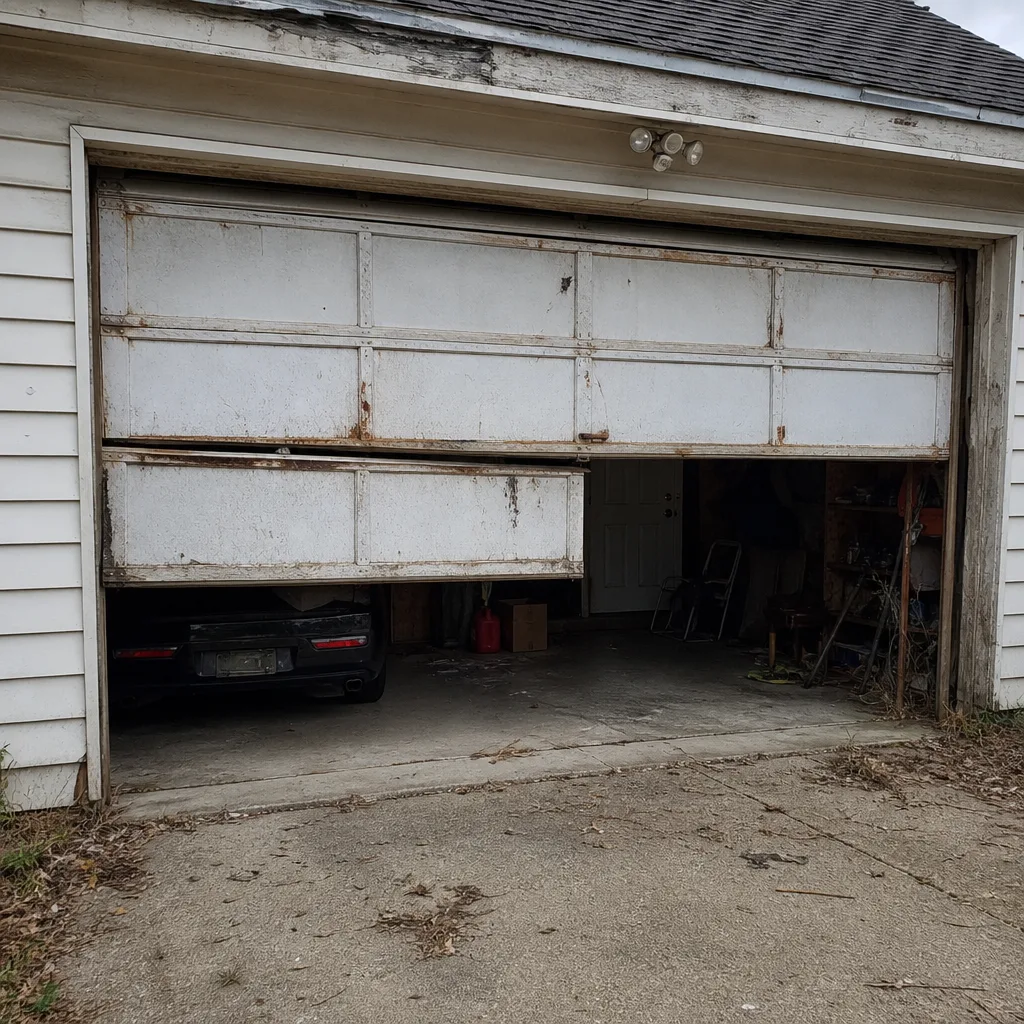 Before
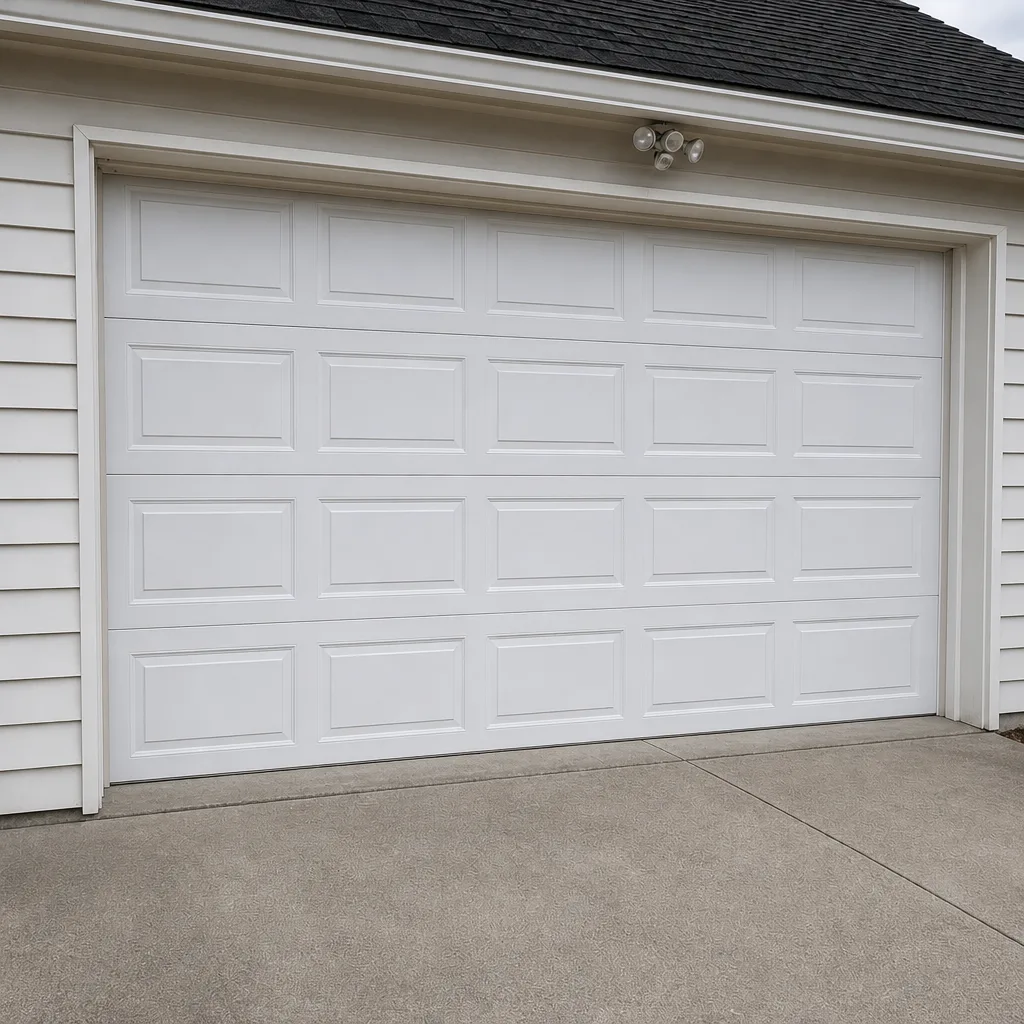 After
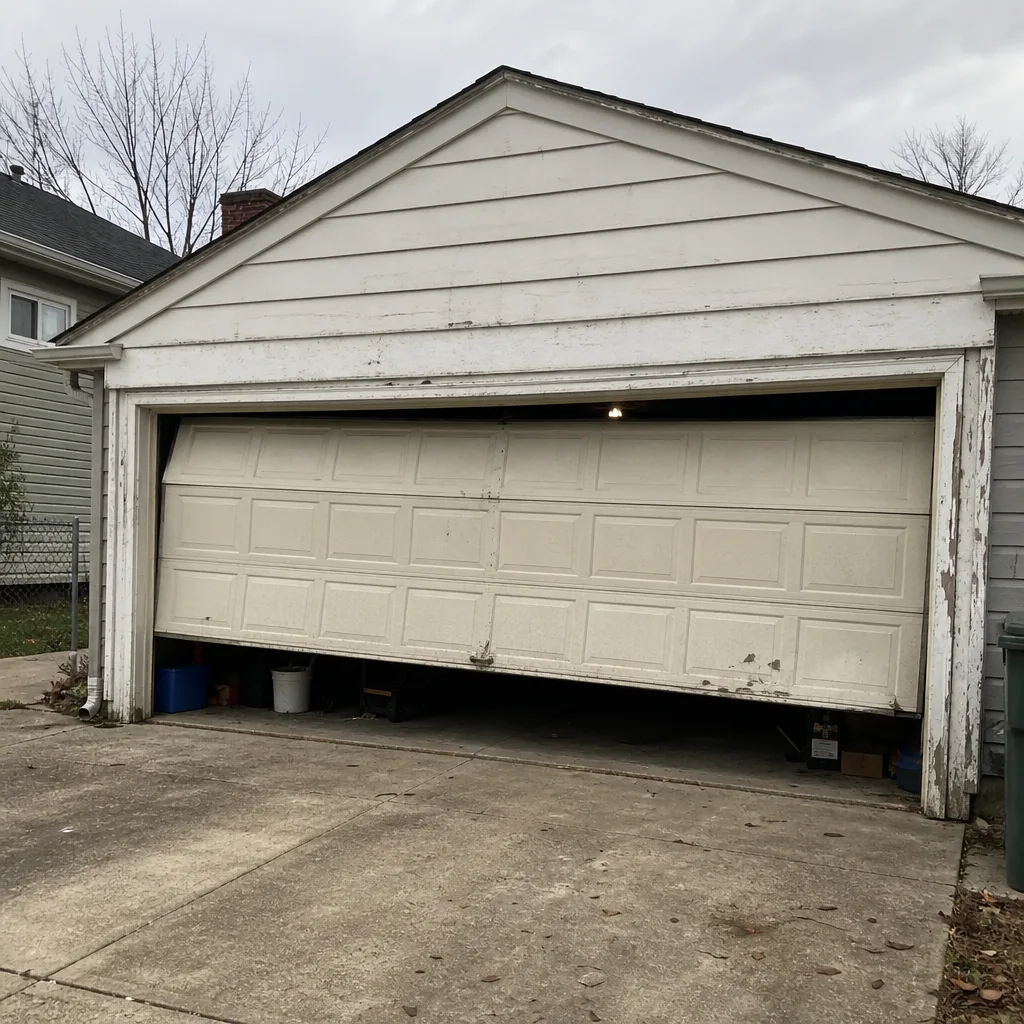 Before
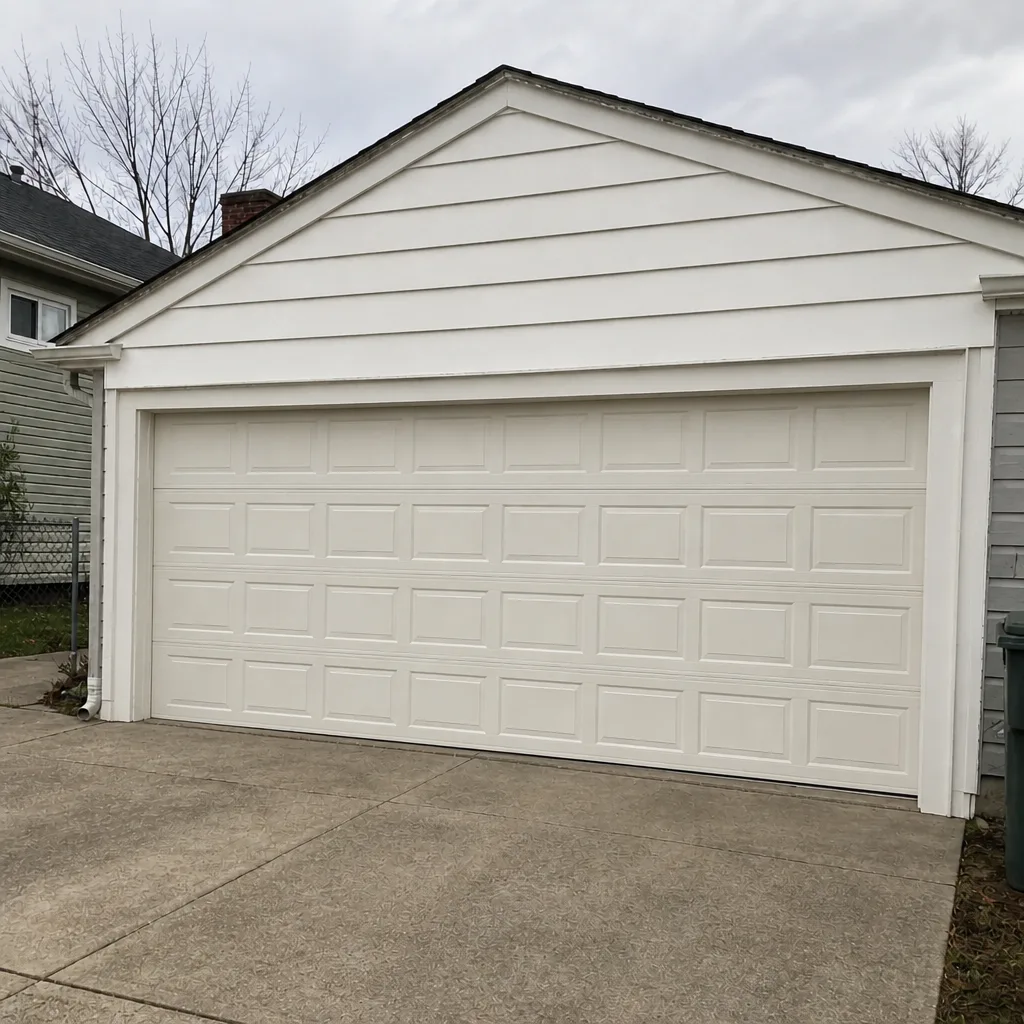 After
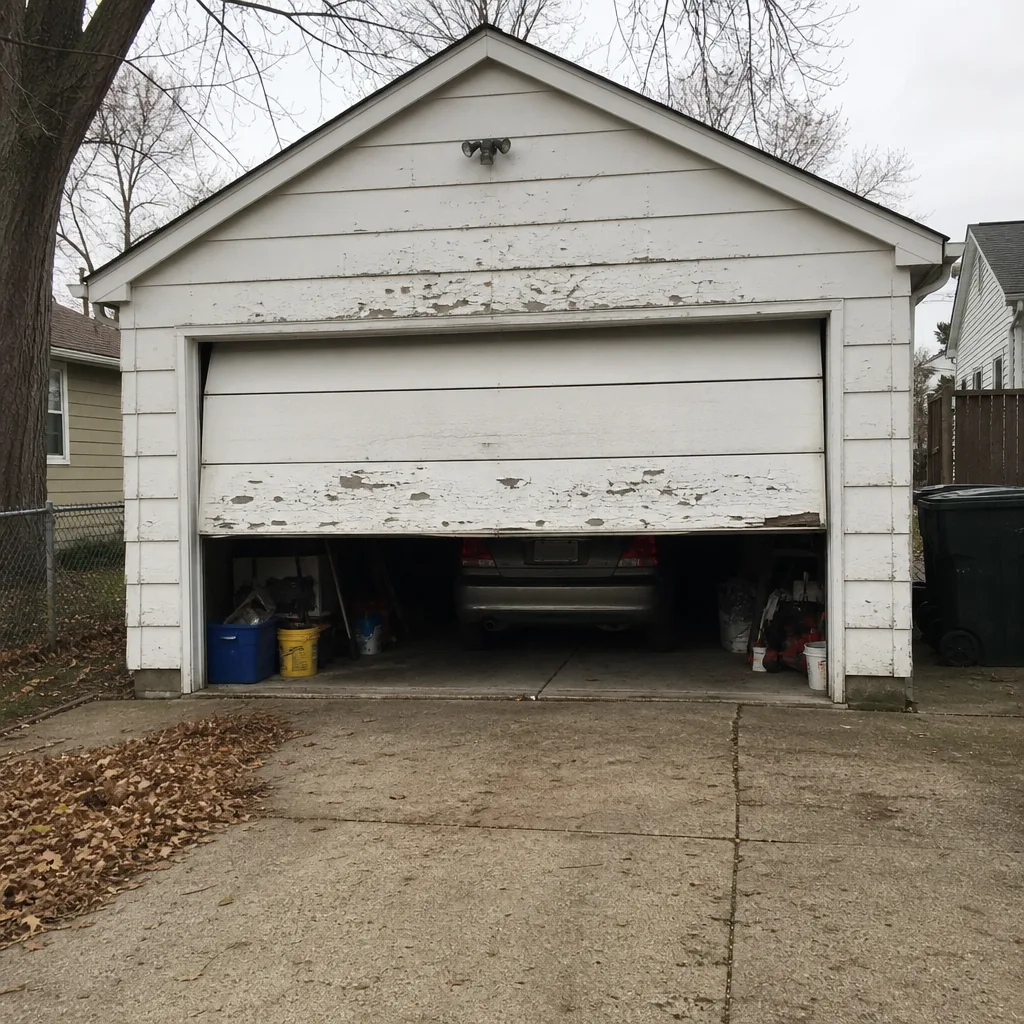 Before
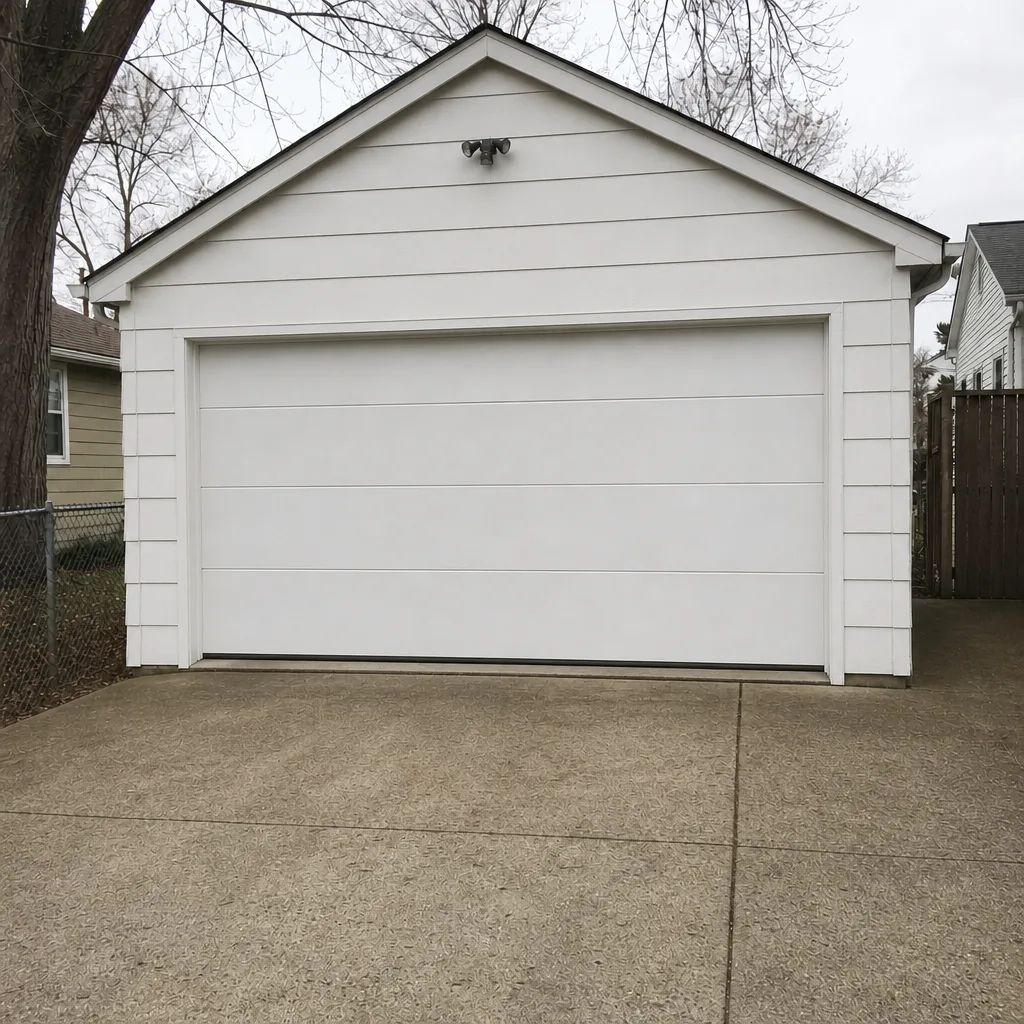 After
When to Call a Professional
Call a professional when a spring has broken or is heavily rusted, when a cable is frayed or off its drum, when the door is off-track or visibly uneven, when the opener reverses for no visible reason after a sensor check, or when a bottom gap doesn’t clearly match floor, seal, or track. For the first four, treat the door as unsafe to use until inspected. For the last two, schedule a repair visit rather than wait for the situation to escalate. Channing Garage Door Repair offers free estimates in Lakewood – call (833) 468-5586. We answer 24/7. Fast dispatch from 7am to 7pm, Sunday through Friday, and we’ll tell you honestly whether you’re looking at a repair or a replacement before any work starts.
Frequently Asked Questions
The most common signs are slow or uneven movement, a loud bang from the spring area, a door that reverses for no visible reason, visible rust or fraying on springs and cables, and a gap along the bottom edge of a closed door. In Lakewood, the humidity and freeze-thaw cycle make spring rust and seal cracking especially common. If you see any of these, call (833) 468-5586 for a free estimate.
No. Torsion and extension springs hold the full weight of the door, and they’re under extreme tension even when the door is closed. Working on them without the right tools and training is genuinely dangerous. Call a specialist for spring work – our technicians have up to 13 years of experience with this exact job, and we’ll take it on safely.
Usually no. The opener reverses because the safety sensors or the close-force setting thinks the door’s path is obstructed. Start by checking that both sensors have a solid light and that the lenses are clean. If they check out, the door itself may be heavier than the opener expects from a weakening spring or a dry roller – in which case the door needs repair, not the opener. Call (833) 468-5586 and we’ll tell you which one.
It’s one of three things: a settled or heaved floor, a cracked or flattened bottom seal, or a track that’s out of plumb. Slide a thin piece of paper under the door while it’s closed – if it pulls through at one spot, it’s the floor; if it pulls through along a stretch, it’s the seal; if the gap shifts when you nudge the door, it’s the track. A seal and a track adjustment are both simple, low-cost repairs, and worth doing before winter fully sets in.
Pricing is set per job by the written estimate, and we give you that number before any work begins. Because the price depends on which component has failed, we can’t quote accurately without seeing the door. What we can say is that the estimate is free, and you’ll never be surprised by an invoice larger than the number we agreed to. Call (833) 468-5586 for an exact quote – estimates are free.
Yes. We service LiftMaster, Chamberlain, Craftsman, Raynor, Genie, Clopay, Amarr, and Wayne Dalton systems. We work on the brand you already own rather than pushing a replacement, and we’ll tell you honestly if a repair is the right call or if the unit is at the end of its service life. Call (833) 468-5586 to book a visit.
The Bottom Line
A garage door rarely fails without warning. The grinding roller, the rasping cable, the boing of uneven tension, the slow tilt, the reversing opener, the rust on a spring, the gap along the floor – each of these is a specific message about a specific part. Read them early and the fix is a scheduled repair. Ignore them and they become an emergency. If anything in this guide matches what your door is doing, call us before the situation escalates. Our technicians have up to 13 years of experience reading exactly these signals, and we’ll give you an honest diagnosis and a written price before any work starts.
Call (833) 468-5586 for a free estimate. We answer 24/7. Fast dispatch from 7am to 7pm, Sunday through Friday.
Written by the team at Channing Garage Door Repair.