
Last updated November 23, 2026
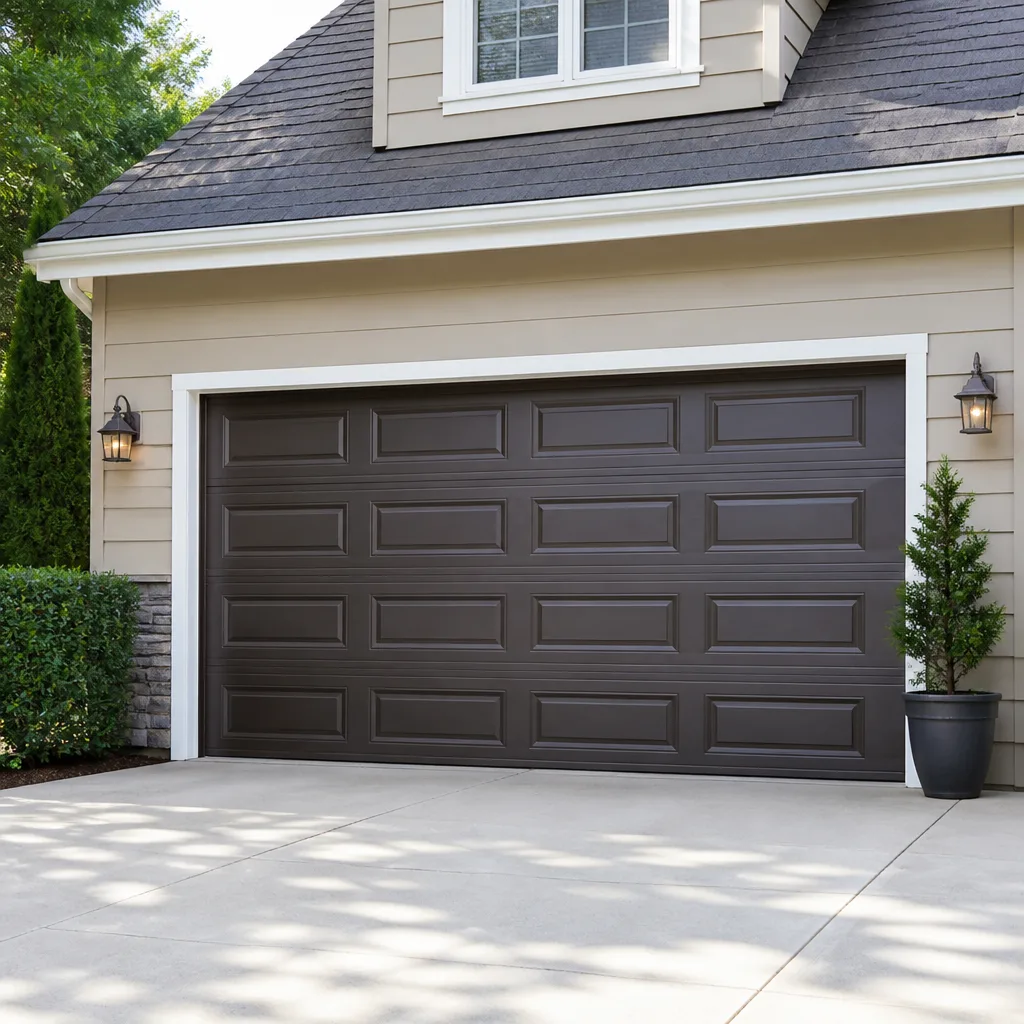 Raised-panel steel
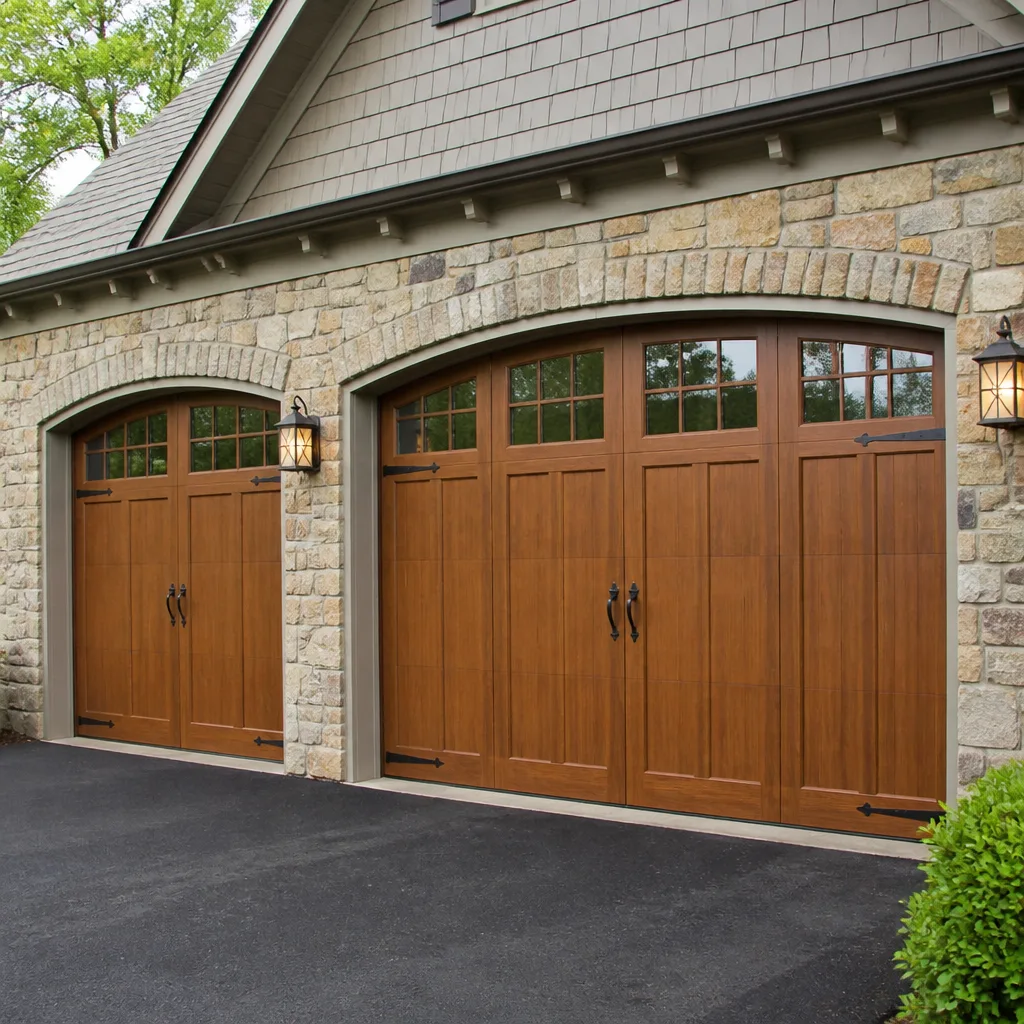 Carriage house
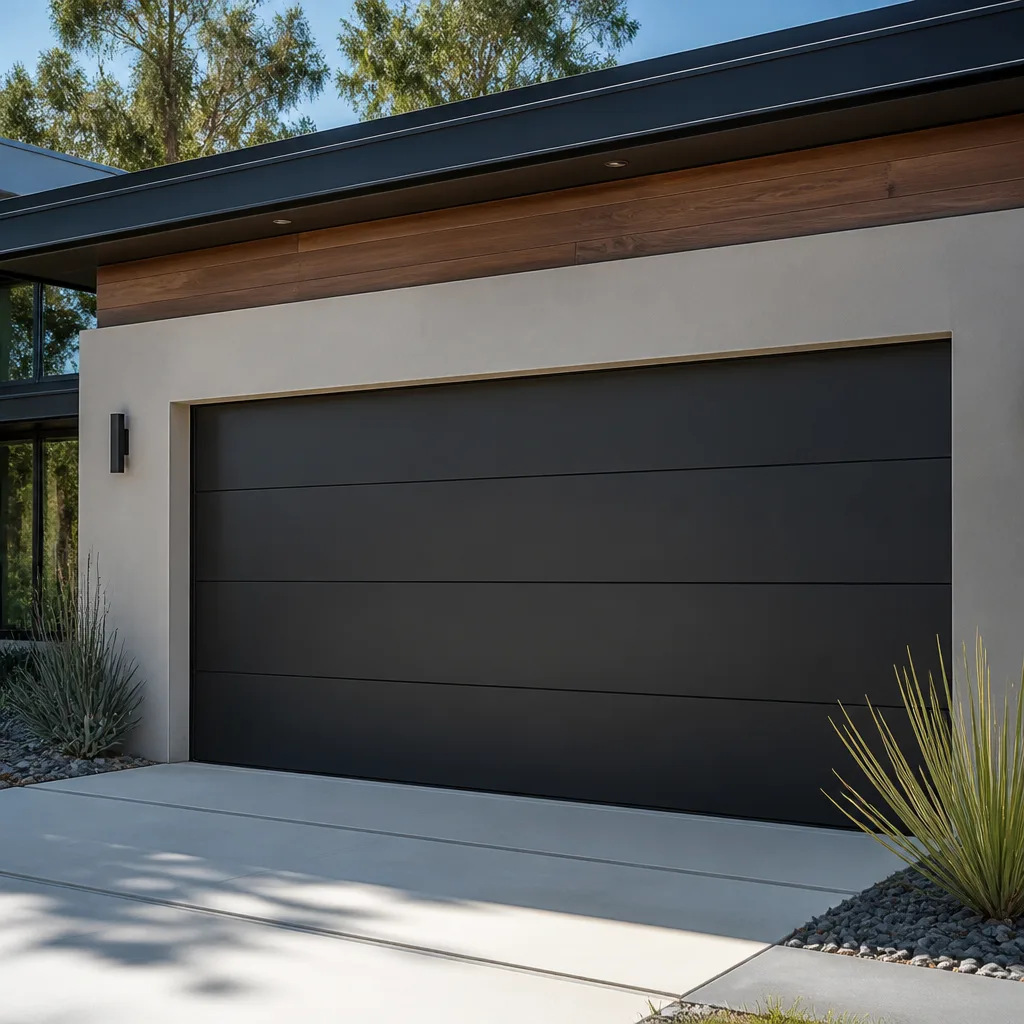 Modern flush
 Full-view glass
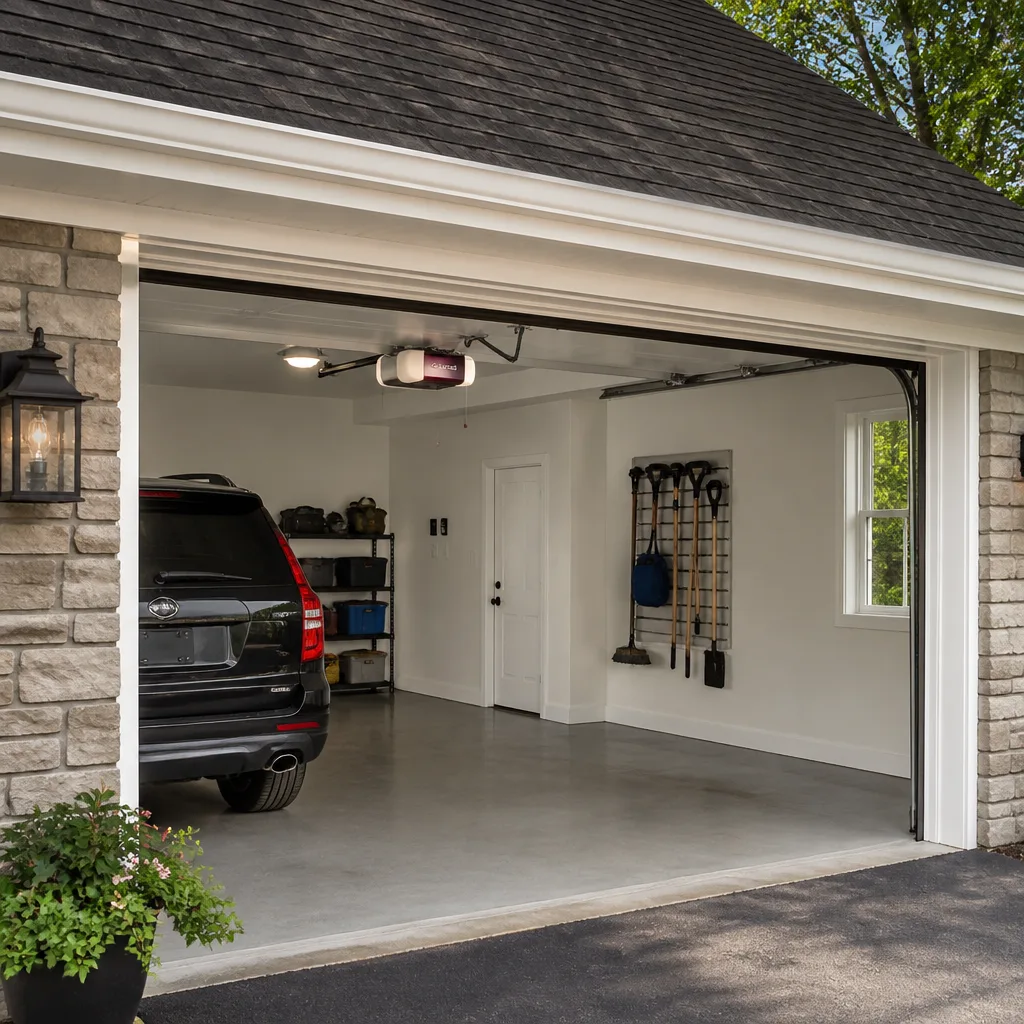 LiftMaster openers
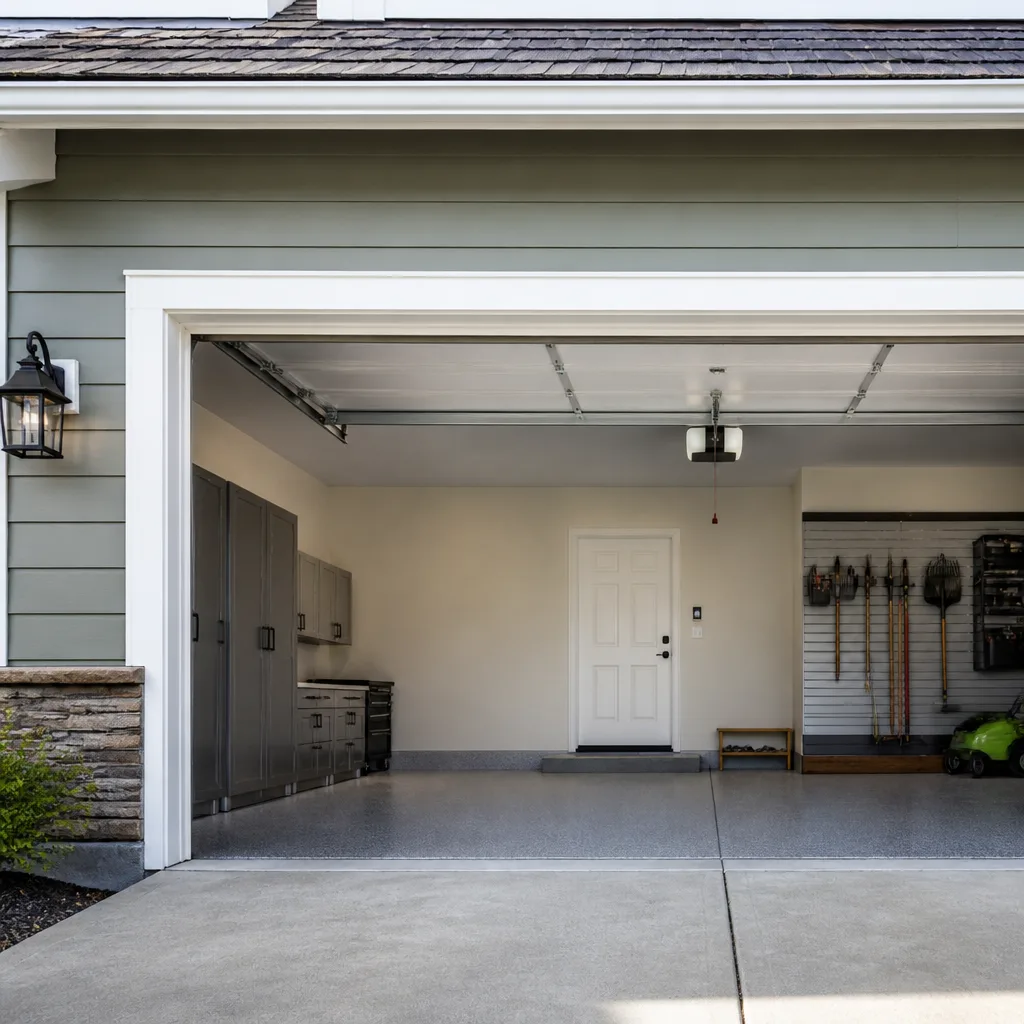 Chamberlain openers
Full 25-point door and opener safety check with every visit - springs, cables, rollers, tracks, and your LiftMaster or Chamberlain opener included
You get a price before we start. It does not change when the pro arrives.
Get your free estimateGarage Door Repair Maintenance Checklist for Lakewood Homeowners
The number-one repair call we get in March isn’t from a storm. It’s from a spring that survived four winters and finally snapped because nobody lubricated it once in October. That’s the part most homeowners miss: garage doors in Lakewood don’t usually fail suddenly. They fail slowly, through a handful of small maintenance steps that never got done. This guide is built around the failure patterns we actually see here, ordered by which neglected item leads to the most expensive repair. You’ll learn what to check monthly, what to lubricate seasonally, how to read the hardware for warning signs, and when a call to a specialist is cheaper than waiting.
Quick Answer
A working garage door maintenance routine in Lakewood comes down to five things: lubricate the springs, hinges, rollers and tracks twice a year; test the safety sensors monthly; check the bottom seal for compression against your concrete; watch the cables for fraying; and clean and inspect the hardware more often in winter because road salt corrodes it faster here than in inland suburbs. Anything involving the torsion spring, the cables under tension or the opener’s electrical wiring should go to a trained technician, not a weekend project.
Styles & brands we work with
- Raised-panel steel
- Carriage house
- Modern flush
- Full-view glass
- LiftMaster openers
- Chamberlain openers
Table of Contents
- Why Lakewood Doors Wear Differently Than the Checklist You Found Online
- The Lubrication Points That Actually Matter (Torsion vs. Extension)
- Lubricant Choice for Sub-Zero Ohio Winters
- Testing the Bottom Seal Against Heaved or Settled Concrete
- Safety Sensor Alignment Drift and Freeze-Thaw Ground Movement
- Reading Cable Tension: Normal vs. Imminent Fraying
- Salt-Heavy Winter Air and the Accelerated Inspection Schedule
- A Twelve-Month Maintenance Calendar for Lakewood
Why Lakewood Doors Wear Differently Than the Checklist You Found Online
Most garage door maintenance checklists online were written for a mild climate with stable ground and no road salt. They’ll tell you to lubricate once a year and check the sensors whenever you think of it. That advice lands wrong in Lakewood, where four distinct seasons, heavy winter salting and the older housing stock change the timeline. The failure patterns here are specific, and they repeat.
Three local conditions drive most of what we see:
- Freeze-thaw cycles. Ground that swells in January and settles in March moves the slab and the door frame with it. That movement throws safety sensors out of alignment and stresses the bottom seal against concrete that has shifted.
- Road salt and winter road spray. Salt-heavy air and slush tracked into the garage corrode hinges, rollers, cables and the bottom bracket faster than in suburbs further inland where plowing and salting are lighter.
- Older homes with settled lots. Many Lakewood garages sit on concrete that has heaved or settled over decades. A door that sealed perfectly ten years ago can now leave a gap at one corner, letting in cold air, water and pests.
That’s why our checklist is ordered by repair cost, most expensive failure first. A snapped torsion spring or a frayed cable that lets the door drop is a much bigger bill than a worn roller or a dry hinge. Preventive steps that protect the expensive parts come first. None of this means your door is in trouble. It means the schedule that keeps it working in Lakewood looks a little different from the generic one.
The Lubrication Points That Actually Matter (Torsion vs. Extension)
Lubrication is the single cheapest thing you can do, and it’s the one most homeowners skip. But not every point needs the same attention, and the two spring systems have different lubrication needs. Lubricating the wrong spot, or using the wrong product, can attract grit and wear parts faster. Here’s how we break it down.
Torsion spring systems (the spring mounted on a bar above the door)
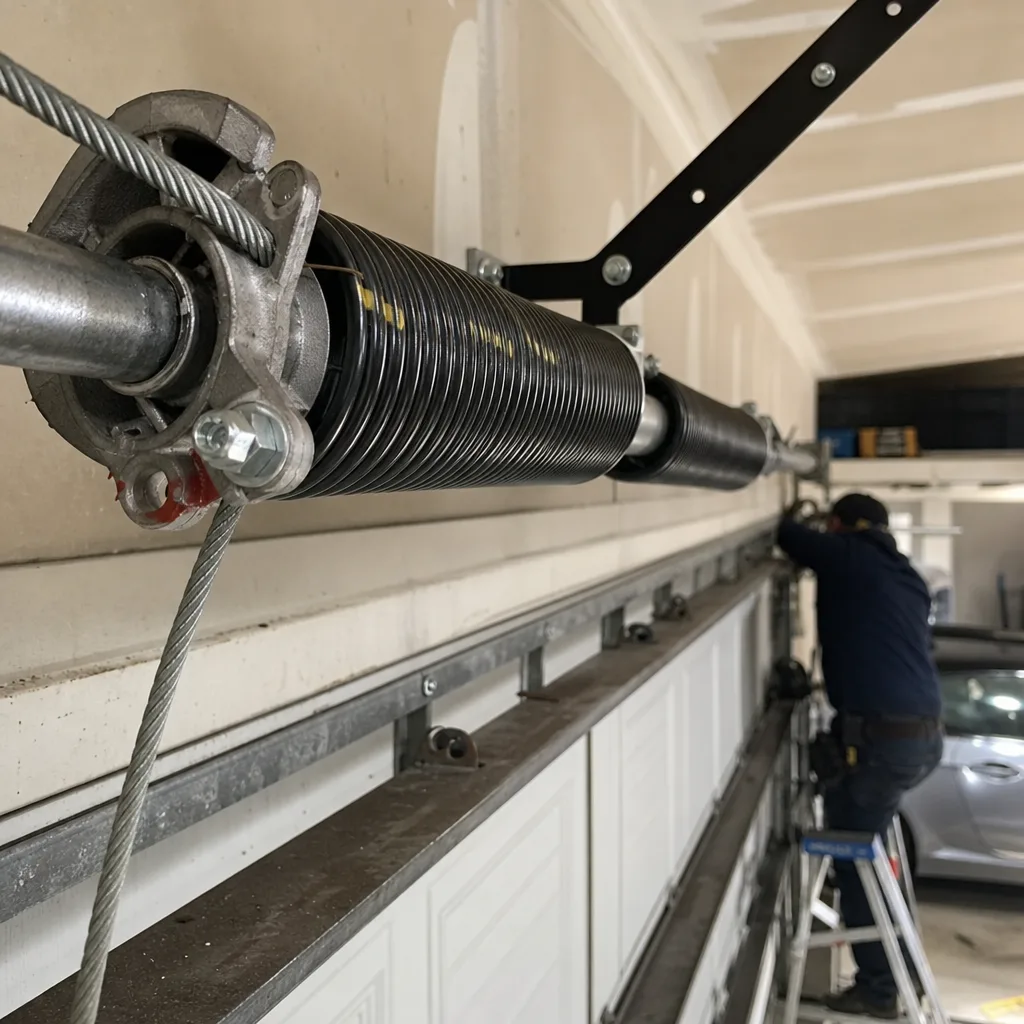
Torsion springs wind around a steel shaft above the door opening. On these systems, the lubrication that matters most is on the torsion spring coils themselves, the bearing plates at each end, and the center bearing. A light coat on the coils reduces friction between the coils as the spring winds and unwinds. Do not pack grease into the coils. A thin film is enough.
Extension spring systems (the springs that run along the tracks)
Extension springs hang above the horizontal tracks on either side, and they stretch rather than wind. Here the priority points are the pulleys at the end of each spring, the cable where it runs over the pulley, and the hinges along both sides of the door. Extension springs themselves should get a light coat, but the moving pulleys are where friction and wear concentrate.
Points both systems share
- Hinges at every panel joint
- Rollers and the roller stems
- The bearing plates or center bracket
- The lock, if the door has one
- The opener rail and chain or belt, following the opener manufacturer’s guidance (LiftMaster and Chamberlain both specify light lubrication on the rail)
And one caution worth repeating: never lubricate the tracks. Tracks should stay clean and dry. Lubricant in the track collects grit and causes the rollers to drag or jump, which is a common cause of a door that comes off track. Wipe the tracks down with a dry cloth instead.
Lubricant Choice for Sub-Zero Ohio Winters
The oil you grab off the shelf in July may not be the right one in January. Northeast Ohio routinely sees temperatures well below freezing, and some lubricants thicken or stiffen at those temperatures, turning a smooth glide into a sticky drag. The door then works harder, the opener strains, and the springs take more load.
For Lakewood winters, we recommend a garage-door-specific or white lithium grease in a spray can for the springs, hinges and bearing plates, and a lighter lubricant for the opener’s moving parts according to the manufacturer’s specification. What to avoid:
- Heavy motor oil or grease that thickens in the cold and holds grit.
- WD-40 as a stand-alone lubricant. It’s a solvent, not a long-term lubricant, and it will dry out the parts it’s meant to protect.
- Silicone spray on the torsion coils. It’s fine for some rubber seals but doesn’t give the spring coils the lasting film they need.
The timing matters as much as the product. The best window for the pre-winter lubrication is late October or early November, before the first hard freeze. That’s the lubrication that prevents the four-winters-and-snap pattern we open with. A second application in spring, after the last freeze, cleans up the winter wear and preps the door for the warmer months. If you’re not sure which system your door has, that’s a good question for a free inspection. Our technicians have up to 13 years of experience across both spring types and every major brand, including Amarr, Wayne Dalton and Raynor.
Testing the Bottom Seal Against Heaved or Settled Concrete
The bottom seal (or weather seal) is the rubber strip along the bottom edge of the door. Its job is simple: close the gap between the door and the floor so cold air, water, salt spray and pests stay out. In Lakewood, the challenge isn’t the seal itself. It’s the concrete underneath.
Plenty of Lakewood garages sit on slabs that have heaved or settled over the decades. The concrete is rarely perfectly flat anymore. So a seal that looks fine on a visual check can still leave a gap at one corner where the floor has dropped, or get pinched at a high spot where it’s heaved. Here’s the test we use:
- Close the door fully and look along the bottom edge from inside the garage with the lights on. Any daylight visible under the door is a gap.
- Slide a sheet of paper under the door at several points along its width. If the paper slides out easily in one spot but is pinched tight in another, the seal isn’t making even contact.
- Run your hand along the bottom seal from outside. It should feel soft and compressed against the floor, not stiff, cracked or flattened.
- Check the corners where the concrete meets the side walls. Those low spots tend to collect water and are where gaps show first.
If you find a gap, the fix isn’t always a new seal. Sometimes the door’s travel limits need adjusting so it closes a little further, or the seal needs to be trimmed where the floor is high. Sometimes the concrete really has moved enough that a thicker seal or a threshold is the right answer. A bottom seal replacement is one of the least expensive maintenance items on a garage door, and it’s one a homeowner can usually handle. But if the door still won’t close consistently after a new seal, that’s a call for a professional, because the issue is likely track or opener travel adjustment, not the seal. If you run into that, our garage door repair team can diagnose it on-site.
Safety Sensor Alignment Drift and Freeze-Thaw Ground Movement
Your garage door opener’s safety sensors sit on small brackets near the floor at each side of the door opening. They shoot an invisible beam across the door. If anything breaks the beam, the door reverses. It’s a life-safety system, and it should be tested every month.
In Lakewood, the most common reason a sensor drifts out of alignment isn’t a bump from a car or a stray ball. It’s the ground. Freeze-thaw cycles push the brackets slightly out of position over the winter, and by spring the beam no longer lines up. A door that worked all winter suddenly reverses halfway down in April. That’s the classic symptom. It’s not a failing opener. It’s a sensor that shifted with the slab.
The monthly sensor test
- Open the door and stand inside the garage.
- Press the wall button to close the door.
- Wave a long object (a broom handle works) across the sensor path near the floor as the door closes.
- The door should reverse immediately. If it keeps closing, stop and address the sensors before using the door again.
- Check that the indicator lights on both sensors are on and steady. A blinking light usually means misalignment or an obstruction.
For LiftMaster and Chamberlain openers, the sensor alignment is usually adjustable at the bracket with a gentle nudge; the indicator light tells you when you’re lined up. If realigning the sensor doesn’t fix it, the issue could be wiring, the sensor unit itself, or the opener’s logic board. That’s when an opener repair call is worth making. Our garage door opener repair service handles sensor, wiring and board issues on all the major brands, Craftsman included.
One warning: the wiring behind the sensors and the opener runs at low voltage but should not be modified by anyone unfamiliar with it. If a wire looks chewed, pinched or disconnected, leave it to a professional.
Reading Cable Tension: Normal vs. Imminent Fraying
Cables are the parts that hold the whole system together, and they’re under extreme tension. That’s why we put a strong safety boundary around them: inspect visually, but never adjust, loosen or touch a cable under load. A cable that slips free can whip with lethal force. This section is about what to look at, not what to fix.
What normal looks like
On a properly adjusted door, the cables ride in the drums at the top of each side and run vertically down to the bottom brackets. Both sides should look symmetric. The cable should be wound evenly with no loose loops, no kinks and no slack. When the door is closed, both cables should feel firm to a visual check. When it moves, the cables should travel smoothly with the drums, with no slapping or rubbing sound.
Signs of imminent fraying
- Fuzz or broken strands anywhere along the cable, especially near the drums or the bottom bracket.
- Uneven wind on one side of a drum, with loops overlapping or a cable riding out of its groove.
- Slack in either cable when the door is closed, which can mean a spring or a drum problem rather than the cable itself.
- A pop or snap you hear when the door moves, followed by the door falling out of balance.
- Visible rust on the cable, which is accelerated by Lakewood’s road-salt exposure.
If you see any of these, stop operating the door and call for same-day service. A fraying cable is a failure waiting to happen, and the door should not be cycled until it’s inspected. A cable failure can also send the door crashing down, which is both an injury risk and a security problem.
Salt-Heavy Winter Air and the Accelerated Inspection Schedule
Lakewood winters are salt-heavy. Road crews salt the streets, salt gets on the car and tracks into the garage, and the air near the street carries fine salt spray that settles on exposed metal. Salt accelerates corrosion on hinges, rollers, cables, bottom brackets and any bare metal on the door itself. Inland suburbs that see less plowing and lighter salting don’t get hit quite as hard. That means your inspection schedule should be tighter here than a generic checklist suggests.
Here’s the schedule we recommend:
- Weekly during winter: rinse salt slush off the bottom of the door and the concrete apron in front of it. A quick rinse does more than a big cleaning later.
- Monthly during winter: wipe down cables, hinges and bottom brackets with a dry cloth, then reapply a light coat of lubricant to hinges and rollers.
- April: full hardware inspection after the salt season ends. Check for rust, corrosion and anything that loosened over the freeze-thaw cycles.
- October: pre-winter lubrication of springs, hinges and bearing plates, using the cold-weather product.
It’s also worth checking the panel finish. A scratched or chipped panel on a steel door is the beginning of rust. A little touch-up paint on the scratch in fall prevents a much bigger problem by spring. Doors from brands like Amarr and Wayne Dalton generally hold up well, but any steel panel exposed to salt spray is eventually vulnerable.
A Twelve-Month Maintenance Calendar for Lakewood
If you do nothing else, do these things on this schedule. It’s the short version of everything above, arranged by month so it’s easy to remember.
- Monthly, year-round: test the safety sensors with the broom-handle method. Watch for daylight or light gaps under the door.
- January – March: rinse salt off the door and apron weekly. Wipe cables and hardware monthly. If the door reverses without warning, check sensor alignment first.
- April: post-winter inspection. Look for rust, loose hinges, worn bottom seal and any change in how the door sounds. Do a full balance test: open the door halfway, let go, and confirm it stays put.
- May – September: monthly visual checks. Wipe the tracks with a dry cloth. Listen for new noises. If the opener is straining or the door sounds rough, get it looked at before summer heat adds to it.
- October: the pre-winter lubrication, using cold-weather-rated product on springs, hinges, rollers and bearing plates. Touch up paint chips on steel panels.
- November – December: watch for ice forming at the bottom seal and the apron. Keep the area clear. If the door starts struggling in cold weather, don’t force it – call it in.
Do the balance test with care. Never pull the emergency release handle while the door is up, and never test balance with the door fully open. If the door doesn’t stay put when you let go at halfway, stop and call for service. That’s a balance or spring issue, and it’s not a homeowner fix.
Common Mistakes to Avoid
- Lubricating the tracks. This is the most common one. Tracks should be clean and dry; grease in the track collects grit and causes the rollers to jump or the door to come off track.
- Using the wrong lubricant in winter. Heavy oil or grease that thickens in sub-zero cold makes the door work harder. Use a garage-door-rated product, and switch to it before the first freeze.
- Skipping the sensor test because it “worked last week”. Lakewood’s freeze-thaw movement realigns sensors without any warning. Test monthly; a sensor that drifts out of alignment in April can reverse a door on a car or a child.
- Trying to fix a spring or cable yourself. Torsion and extension springs and the cables under tension are the most dangerous parts of the system. Never attempt a repair, never loosen a bolt on a tensioned part. That’s a job for a trained technician with the right tools.
- Ignoring small gaps under the bottom seal. What starts as a little cold air becomes water, pests and a rotting threshold. In older Lakewood garages, a gap is usually the first sign of a concrete shift worth checking.
- Overspraying rust preventive on cables. Cables should be checked for rust and fraying, not coated with anything that hides strand damage. A visual inspection is the right approach; if the cable looks worn, replace it.
- Forcing the door when it binds. If the door struggles or reverses repeatedly, forcing it strains the opener, the springs and the cables. Stop and get it diagnosed. A small repair now is cheaper than a snapped spring or a burnt-out opener later.
See the difference
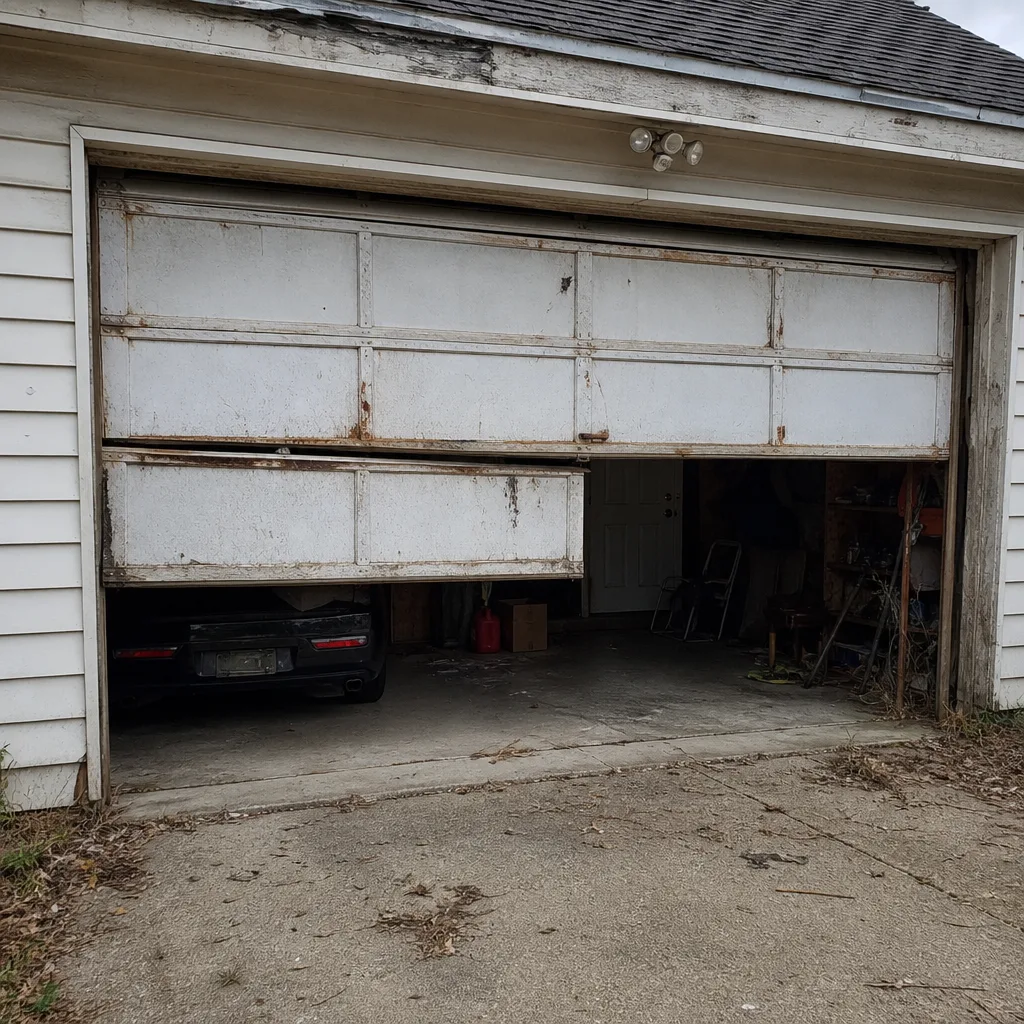 Before
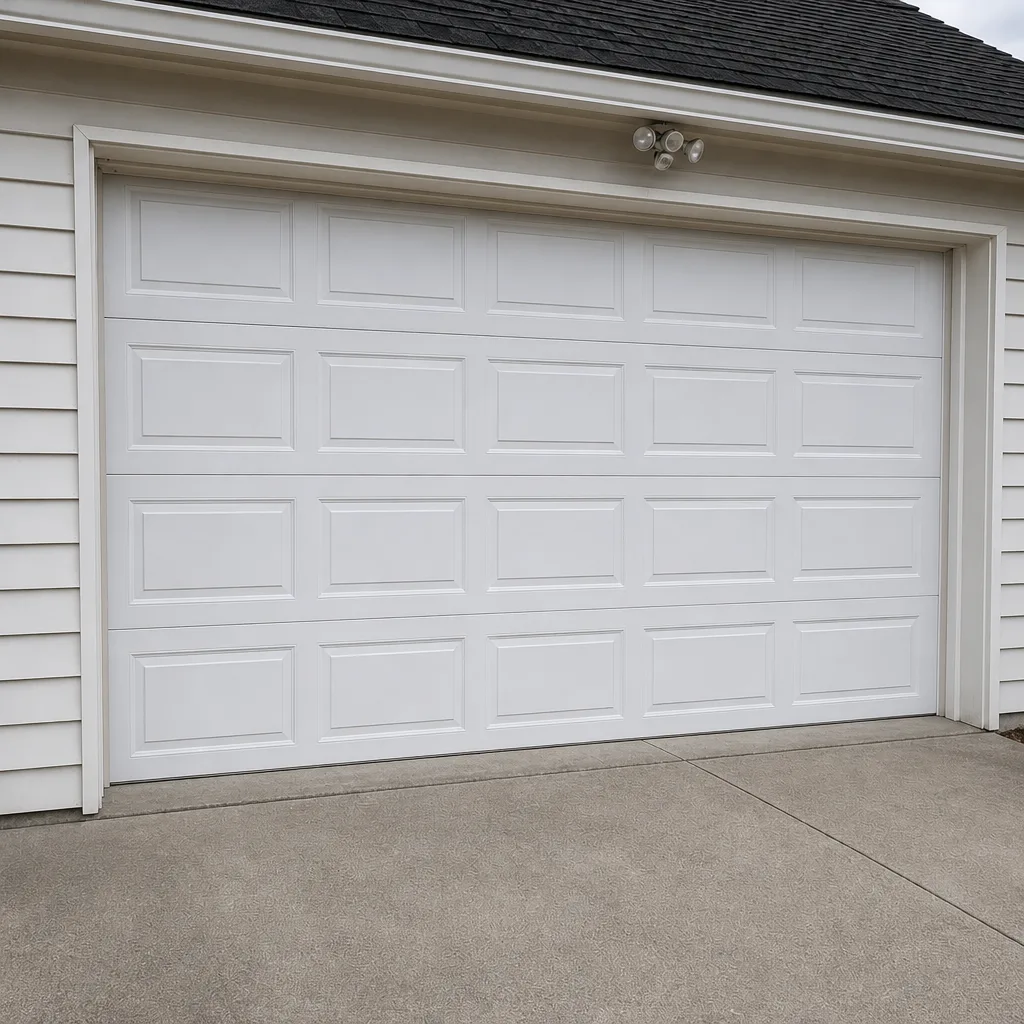 After
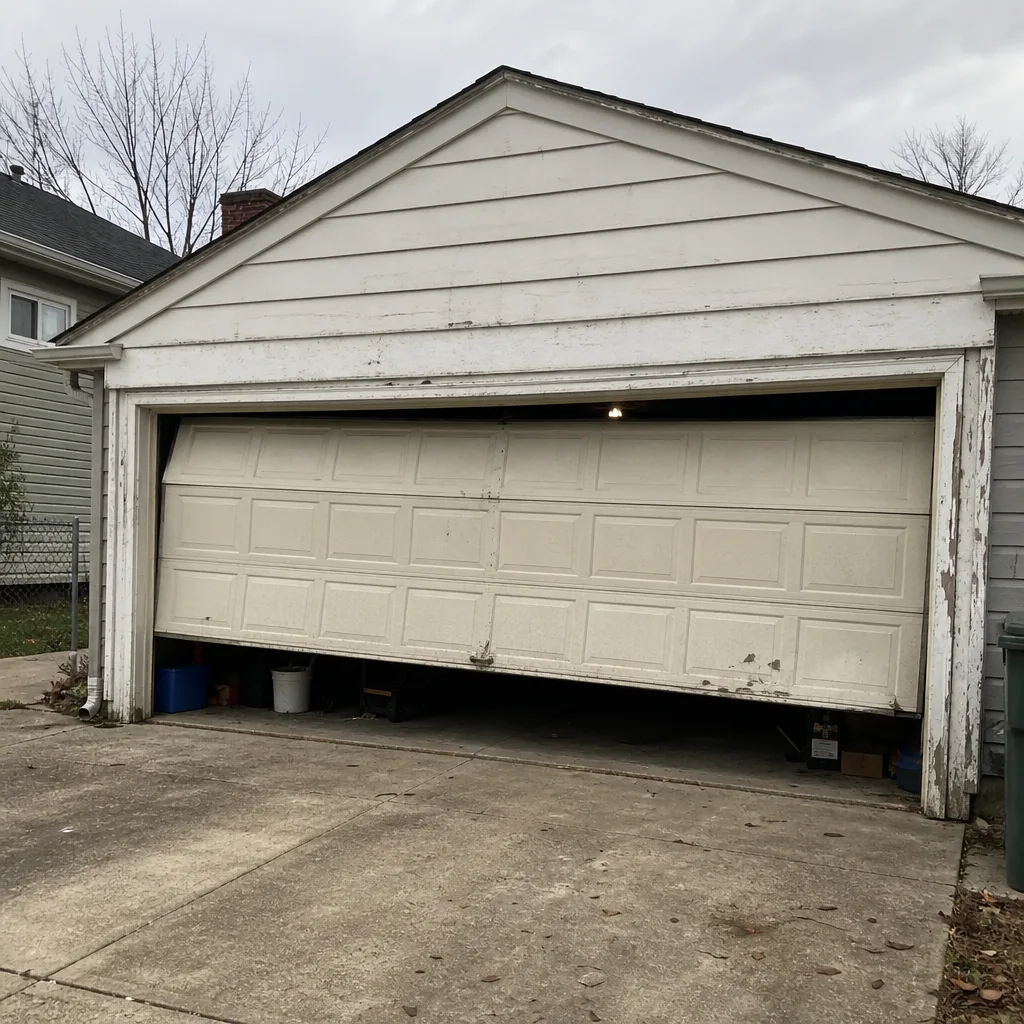 Before
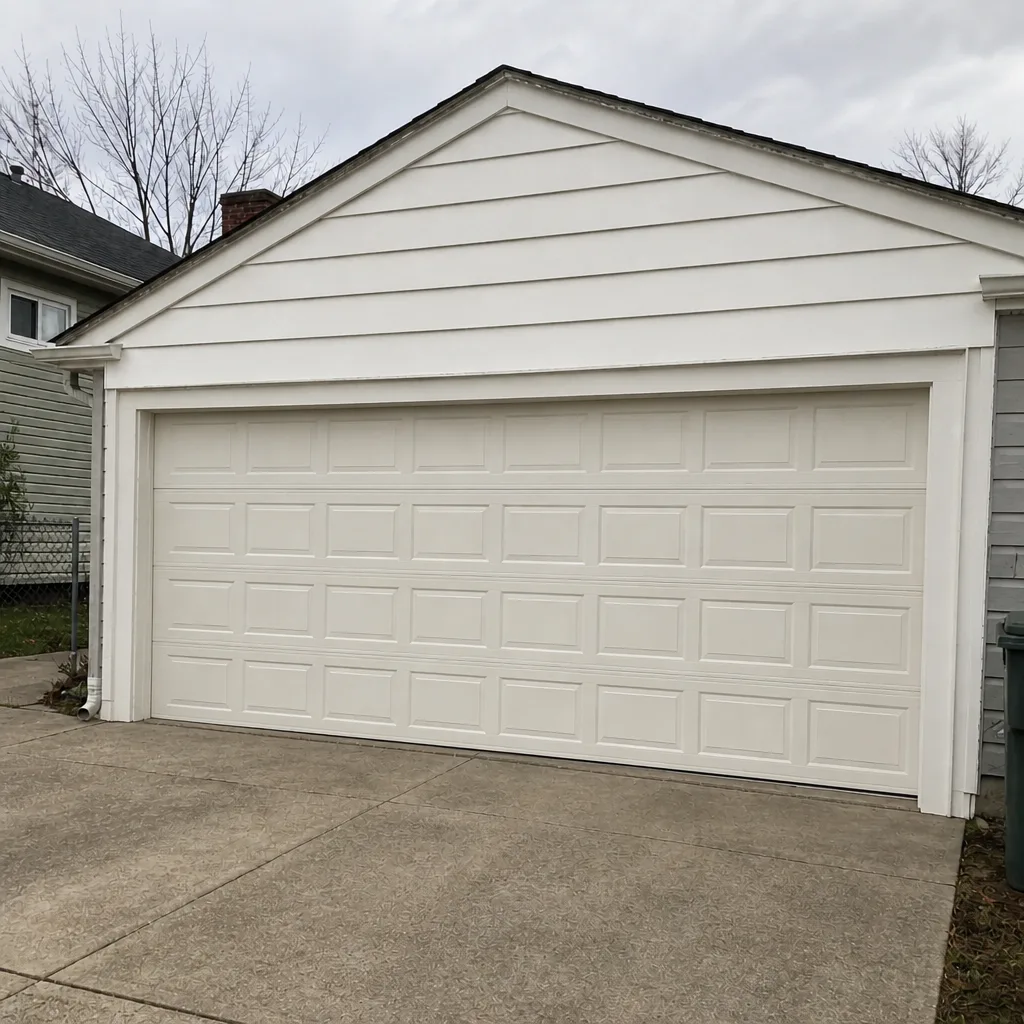 After
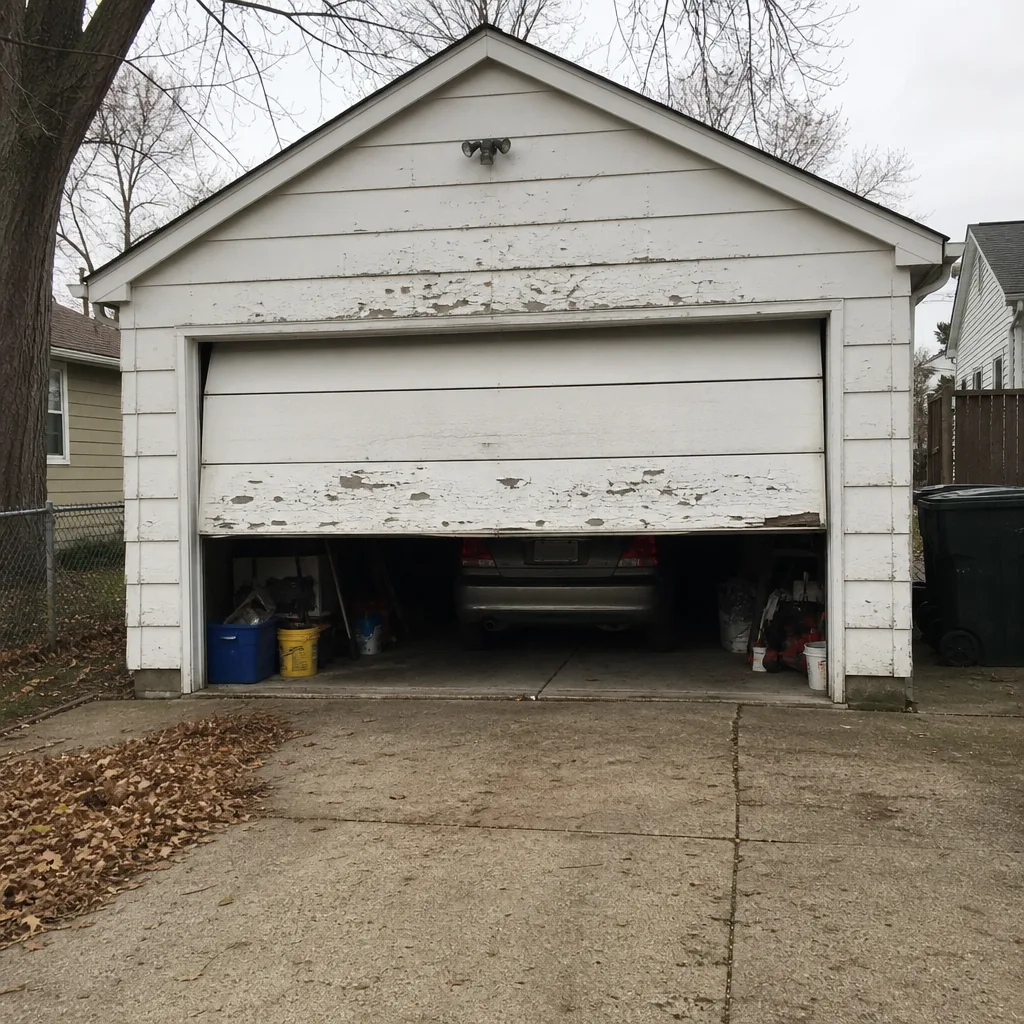 Before
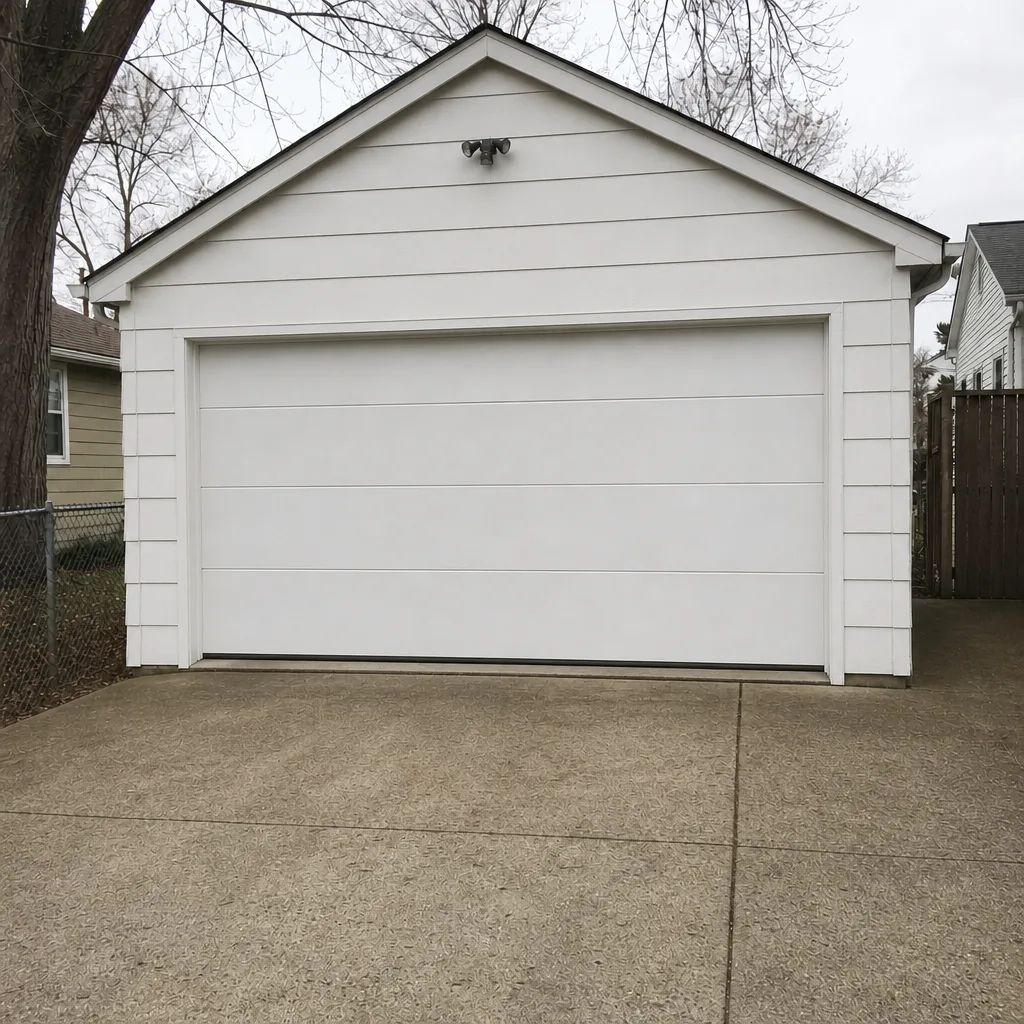 After
When to Call a Professional
Some maintenance belongs to you. Some belongs to a technician. If you notice any of these, call for service:
- A snapped or sagging spring, or a door that won’t lift more than a few inches.
- A door that reverses for no reason, won’t close all the way, or closes unevenly.
- Visible fraying, slack or rust on a cable.
- The opener strains, surges or hums without moving the door.
- A door that comes off the track or hangs crooked.
- Any loud pop or snap from the door, followed by the door no longer working normally.
Channing Garage Door Repair offers free estimates in Lakewood – call (833) 468-5586. We answer 24/7, with fast dispatch from 7am to 7pm, Sunday through Friday. Our technicians have up to 13 years of experience with spring, cable, opener and track repair on all major brands. Every price is quoted and agreed before any work starts. For a deeper look at the danger zones, our garage door spring repair guide covers what to expect and what never to attempt.
Frequently Asked Questions
Twice a year is the baseline: once in late October before the first hard freeze, and once in spring after the last freeze. In Lakewood, winter salt spray makes a monthly wipe-down and light reapplication worthwhile during the cold months. Skipping the fall lubrication is the single most common reason a spring fails in its fourth or fifth winter.
Freeze-thaw ground movement misaligns the safety sensors. The concrete under and around the brackets shifts as the ground swells and settles, and the beam stops lining up. Test the sensors by waving a broom handle through the beam; if the door doesn’t reverse or a sensor light blinks, realign the brackets first. If that doesn’t fix it, call for opener repair – there may be a wiring or logic board issue.
No. Torsion and extension springs are under extreme tension, and a spring or cable failure can cause serious injury. Spring replacement requires specialized tools and training. Leave both to a technician. This is the one maintenance item where the professional call is always the right one.
Check for daylight or a slip of paper under the door, and feel along the seal for stiffness or cracks. In Lakewood, a gap is often caused by heaved or settled concrete rather than a worn seal. Try adjusting the opener’s travel limits first; if the door still won’t close evenly against the floor, the seal or the concrete may need attention.
Yes. Salt-heavy winter air and tracked-in slush accelerate corrosion on hinges, rollers, cables and bottom brackets faster than in inland suburbs with lighter salting. That’s why we recommend weekly rinses during winter and a full hardware inspection in April. Rusted, frayed cables are a safety issue, so check them visually every month during the salt season.
First check the safety sensors for a blinking light or obstruction, and confirm nothing is blocking the beam. If the sensors are aligned and clear, the issue could be the opener, the track, or a balance problem. Don’t force the door. Call (833) 468-5586. We answer 24/7, with fast dispatch from 7am to 7pm, Sunday through Friday, and our technicians can diagnose the problem on-site. Estimates are free.
The Bottom Line
Garage door maintenance in Lakewood comes down to a short, repeatable routine: lubricate twice a year with the right product, test the sensors monthly, watch the bottom seal and cables for early warning signs, and clean up winter salt before it becomes corrosion. In our experience, the doors that fail are the ones where the small steps were skipped, not the ones that were abused. Do the October lubrication, test the sensors, and check the hardware twice a year, and most doors last far longer between repairs. And when something does need a trained technician – springs, cables, opener wiring, a door that’s off track – call the specialist. Call (833) 468-5586 for a free estimate. We work on the brand you already have, from LiftMaster and Chamberlain to Clopay and Raynor.
Written by the team at Channing Garage Door Repair.
Written by the team at Channing Garage Door Repair.