
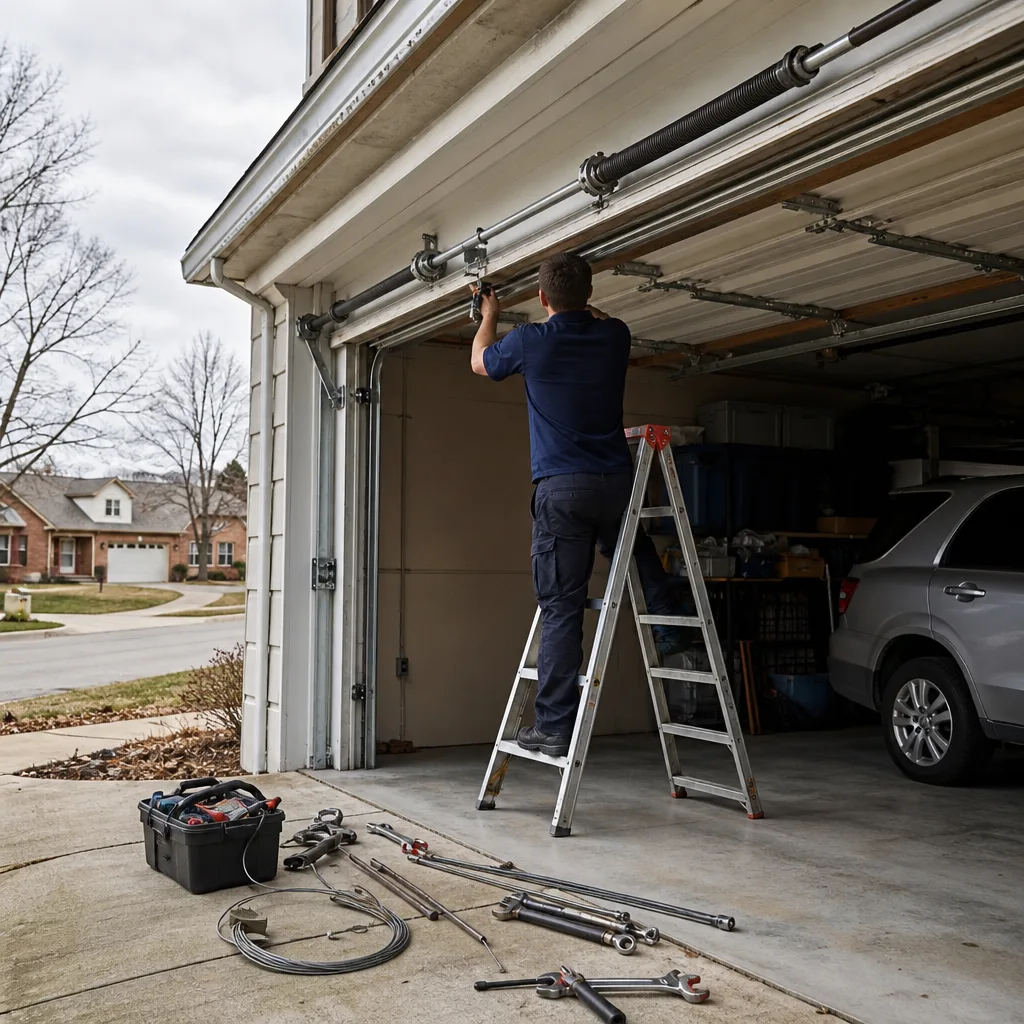
Last updated November 23, 2026
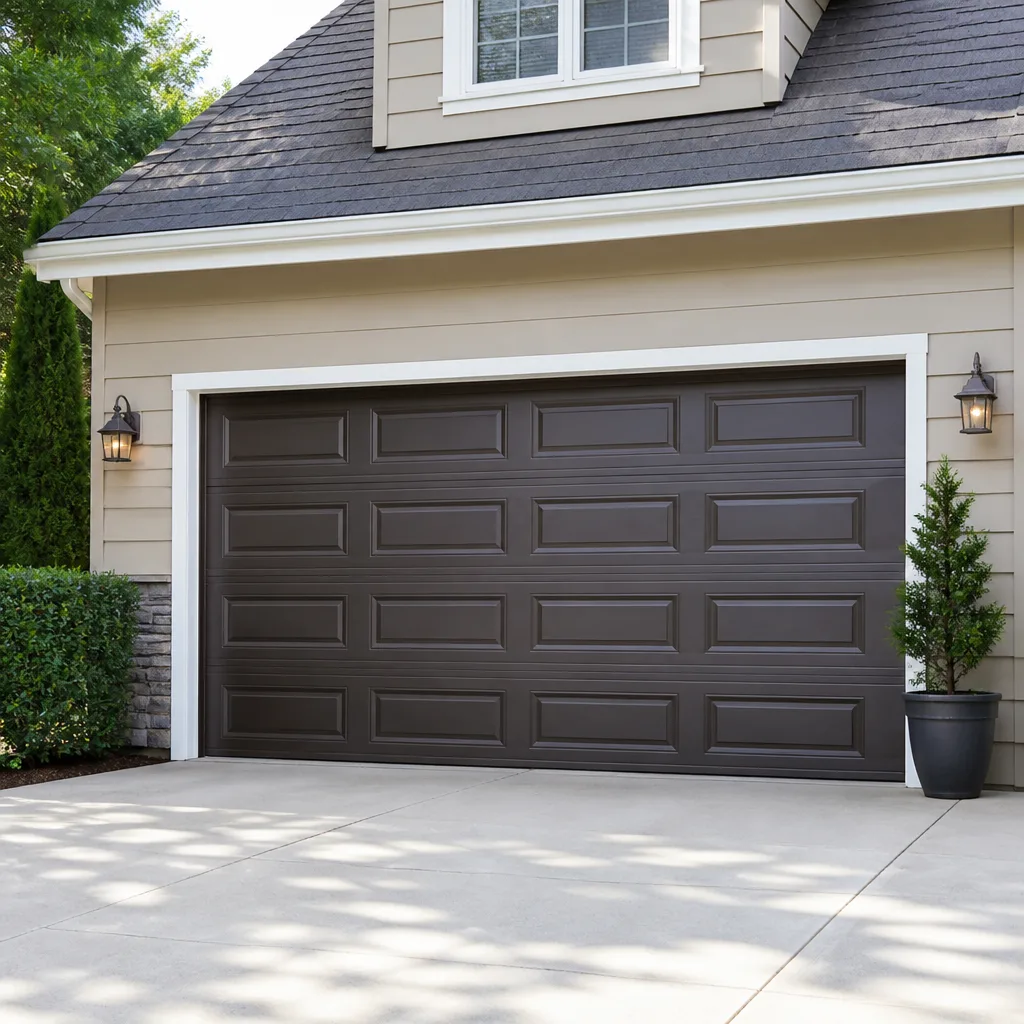 Raised-panel steel
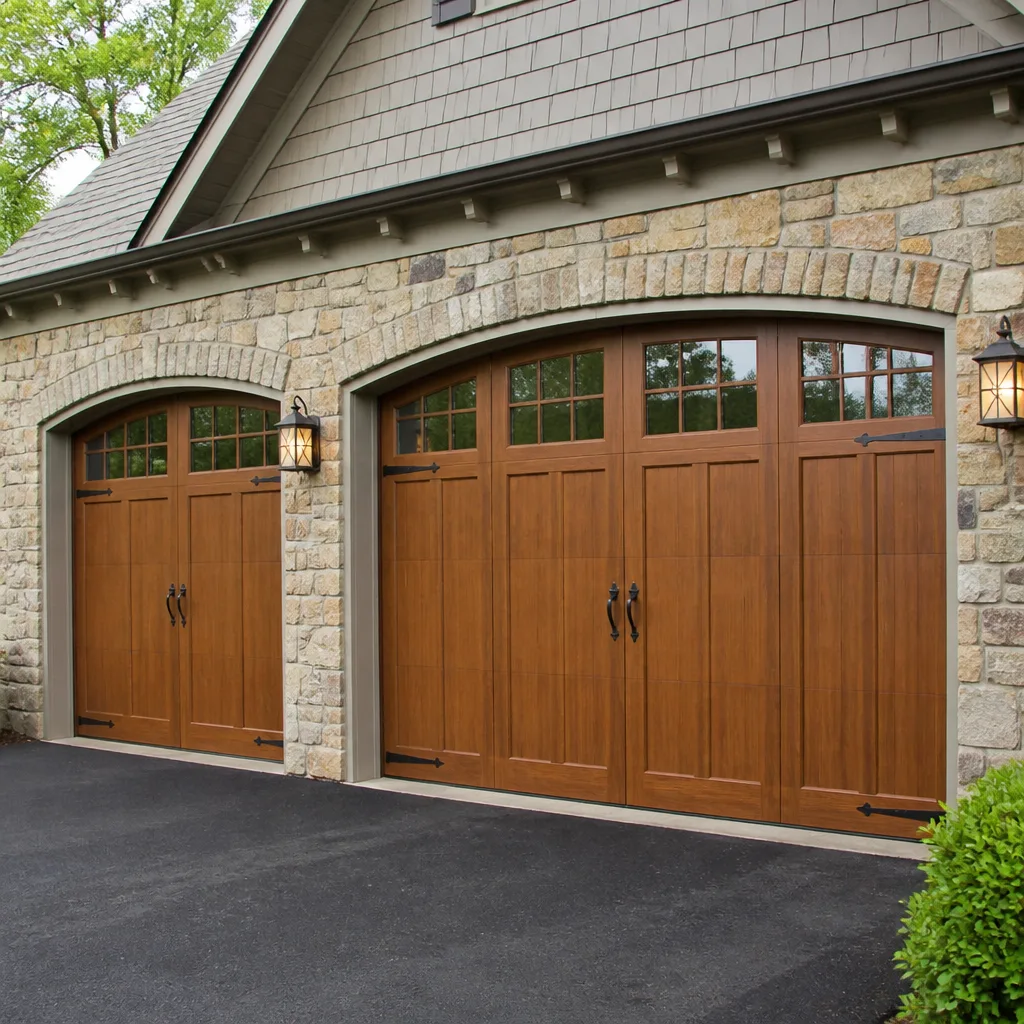 Carriage house
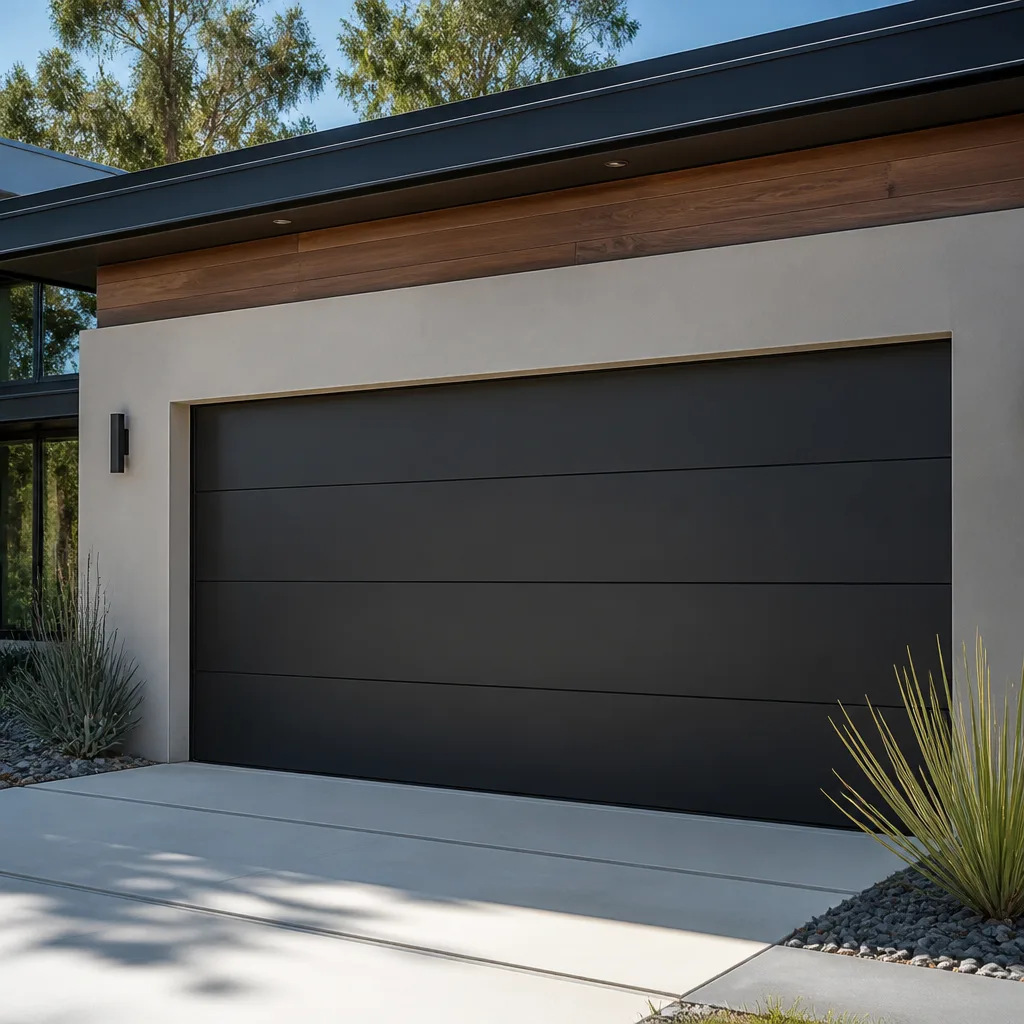 Modern flush
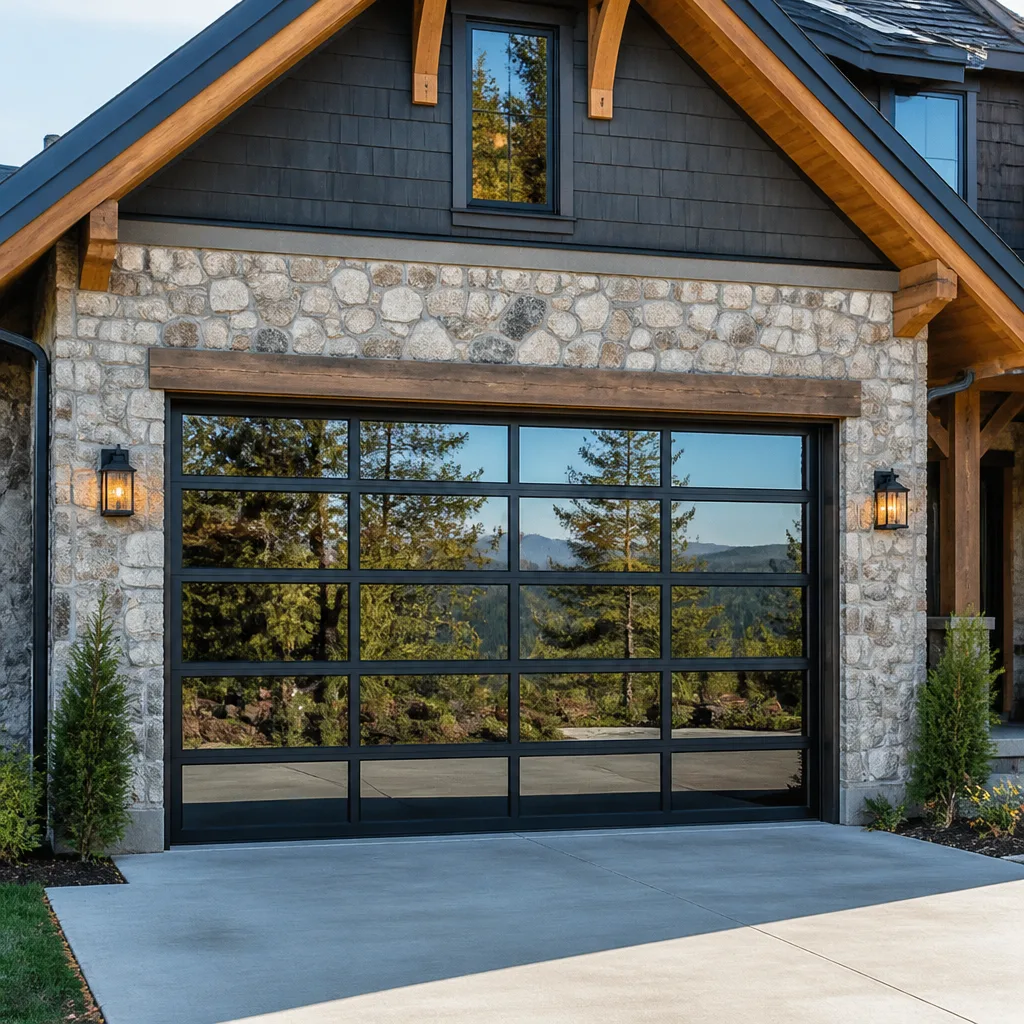 Full-view glass
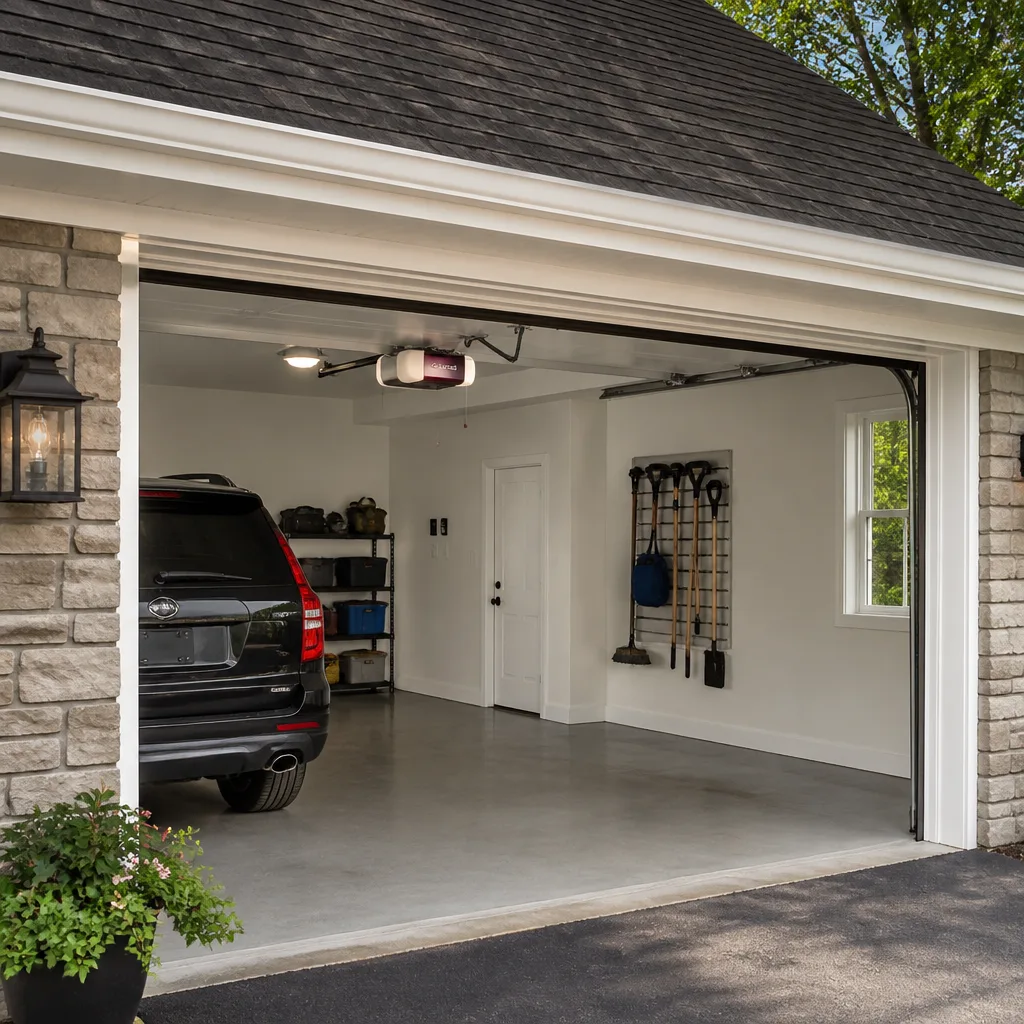 LiftMaster openers
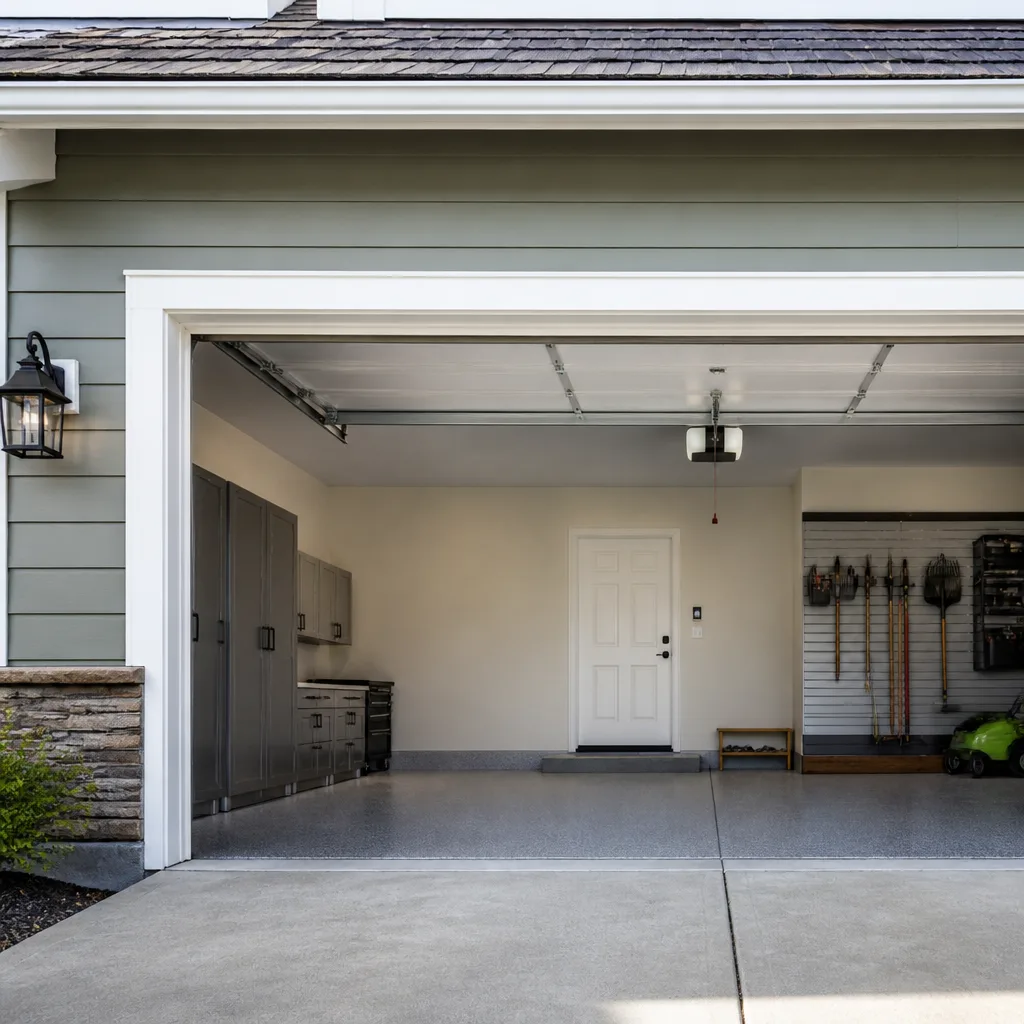 Chamberlain openers
Full 25-point door and opener safety check with every visit - springs, cables, rollers, tracks, and your LiftMaster or Chamberlain opener included
You get a price before we start. It does not change when the pro arrives.
Get your free estimateGarage Door Permits, Codes & Inspections in Lakewood, OH: What You Need to Know
Most garage door replacements in Lakewood don’t need a permit. That’s the part that surprises people, and it’s also where they get into trouble: because the work that does require one isn’t always obvious, and it usually isn’t the door itself. It’s the new opener circuit, the structural work above the opening, or the fire-rated door on an attached garage. We’ve walked Lakewood homeowners through the paperwork question more times than we can count, and this guide lays out the rules in plain language: when you need a permit, when you don’t, what Ohio’s fire-separation code requires, and what to keep in your file so a future inspection or sale goes smoothly.
Quick Answer
A straight garage door replacement in Lakewood generally does not need a building permit, but a new hardwired opener circuit does need an electrical permit, structural work at the header does need a building permit, and a door between an attached garage and living space must meet Ohio Residential Code Section R302 fire-separation requirements. When in doubt, call the City of Lakewood building department before the work starts – it’s a short conversation that protects you at resale.
Styles & brands we work with
- Raised-panel steel
- Carriage house
- Modern flush
- Full-view glass
- LiftMaster openers
- Chamberlain openers
Table of Contents
- Does a Garage Door Replacement Need a Permit in Lakewood?
- When a Permit Is Required: The Four Scenarios
- Ohio Residential Code R302: Fire Separation for Attached Garages
- Electrical Permits and New Opener Circuits
- Historic Districts and Door Style Approvals in Lakewood
- What the Inspection Actually Checks
- What Documents to Request From Your Contractor
- Common Mistakes to Avoid
Does a Garage Door Replacement Need a Permit in Lakewood?
No, in most cases a swap for a door of the same size in the same opening doesn’t require a building permit in Lakewood. Garage doors are treated as an accessory component of the structure, not a structural alteration, when you’re replacing like for like. The city’s concern is safety and structural integrity, and a direct replacement leaves both unchanged.
Where homeowners get confused is assuming that means no garage door work ever needs a permit. That’s not accurate either. The permit question isn’t really about the door – it’s about what the install touches. Here’s a simple way to think about it:
- Same-size door, same opening, existing opener – no permit in most cases.
- New opener on a new dedicated circuit – electrical permit required.
- Widening or raising the opening, or any header modification – building permit required.
- Replacing a door between an attached garage and living space – fire-rated door required under R302, and the local building department should be consulted.
Lakewood has a lot of housing stock built between the 1910s and 1950s, and garages on those properties have often been altered, added to, or rebuilt over the decades. When we assess a job on a Lakewood property, one of the first things we look at is whether the opening has been modified before, because that changes the permit answer. When you call us for garage door repair, we’ll tell you up front if your situation needs a conversation with the city before we schedule the work. We don’t install anything that would later become a problem at inspection.
When a Permit Is Required: The Four Scenarios
These are the four situations where we tell Lakewood homeowners to make a call to the building department before scheduling. If your job falls outside all four, you’re almost certainly in the exemption zone. If any of them apply, a short conversation now can save a headache later.
- Structural header work. If the opening has to be widened, raised, or re-framed to fit a new door size, that’s structural work on the garage wall and requires a building permit. A structural engineer’s details may be required depending on the scope, and the city will want to inspect the framing before it’s closed up.
- New hardwired opener circuit. A new opener that plugs into an existing outlet is one thing. A new dedicated circuit run from the panel, or a new outlet installed in the ceiling, is electrical work and requires an electrical permit pulled by a licensed electrician.
- Changing door size. Going from a single door to a double, or from a standard height to a taller opening, changes the structural opening and the load path. Permit required.
- Replacing a fire-rated door between an attached garage and the house. Under R302, this door is part of the fire-separation assembly between the garage and the living space. The city should be consulted on the rating, and many jurisdictions want to inspect the replacement.
A note on new construction and additions: if the garage is being built as part of a larger project, every door and every opener circuit will be covered under the main building permit, and inspections are scheduled by the general contractor. That’s a different scenario from a replacement on an existing home. This guide is written for the replacement and repair case, which is what almost every Lakewood homeowner faces.
Ohio Residential Code R302: Fire Separation for Attached Garages
Ohio Residential Code Section R302 governs fire separation between an attached garage and the living space it shares a wall with. The rule is straightforward: the wall and ceiling separating the garage from the house must resist fire long enough for occupants to get out, and any door in that separation assembly must also be fire-rated. The requirement is there for one reason – a car fire in the garage should not be able to spread into the house through an unprotected opening.
What does that mean for the door itself? A solid wood or steel door in a rated frame that closes properly is the baseline. A hollow-core or particleboard door, or a door with large glass panels, is not adequate for this application. We see these in older Lakewood homes far more often than you’d expect – a previous owner swapped in a lightweight door because it was easier to hang, and the fire rating disappeared with it.
A few practical points:
- The door must be self-closing and self-latching. Spring hinges or a closer are typical, and the latch has to actually catch. A door that swings shut but doesn’t latch is not compliant.
- The frame matters as much as the door. A rated door in an unrated frame does not give you the separation the code asks for.
- Weatherstripping and threshold seals help with air sealing but don’t substitute for the fire rating.
- This is not a garage door. The overhead door is the vehicle door; the pedestrian door between the garage and the house is the one R302 governs. Homeowners sometimes confuse the two.
When you ask your city’s building department about a pedestrian door upgrade, get the answer in writing. If you need help identifying the door type you currently have, one of our technicians can look at the assembly during a garage door repair visit and tell you what you’re working with.
Electrical Permits and New Opener Circuits
An opener that plugs into an existing outlet doesn’t need an electrical permit. An opener that requires a new circuit from the panel, a new outlet in the ceiling, or any rewiring of an existing circuit does. That’s the line, and it’s worth drawing clearly because we see homeowners get talked into doing the wiring themselves, which is both a code problem and a real safety problem.
The reason the line matters: garage and opener circuits are frequently the most overloaded circuits in an older Lakewood home. A lot of the housing stock here has a panel that’s been added to over the years, and garage wiring has often been spliced, extended, or run in ways that were never meant to be permanent. When a new opener is installed, the electrician evaluating the circuit is the one who catches those issues. Skipping the permit skips that check.
From our side of the job, the sequence for a new opener install usually looks like this:
- We assess the existing opener, door, and mounting. This is part of garage door opener repair and installation.
- We tell you whether the install needs a new circuit. If it plugs into an existing outlet, you’re likely fine. If it needs new wiring, you’ll need an electrician.
- A licensed electrician pulls the electrical permit and runs the circuit. We coordinate, but the electrical work belongs to an electrician.
- We install and calibrate the opener. Brands like LiftMaster and Chamberlain are common in Lakewood homes, and we work with the brand you already own rather than pushing a replacement.
- The electrician’s work is inspected. Standard for permitted electrical work.
If you’re not sure whether your existing opener is on a dedicated circuit or a shared one, don’t guess. A short conversation with an electrician settles it, and the cost of that conversation is small compared to pulling a new circuit after the fact.
Historic Districts and Door Style Approvals in Lakewood
Lakewood doesn’t have a single citywide historic district that dictates every garage door, but there are designated historic areas near the city’s older residential streets where exterior changes can require design review. The exact boundaries and the exact rules change over time, so we won’t pretend to know them for your block. What we can tell you is what usually matters when design review is involved.
- Door style. A paneled carriage-style or traditional raised-panel door fits the era of Lakewood’s older housing better than a modern full-view glass-and-aluminum door. Style guidelines usually favor the former.
- Material. Wood-look and wood doors are generally accepted; materials that read as obviously contemporary can attract comments.
- Color. Some design guidelines specify palettes or ask for colors that match the era. Ask the historic review body if a color approval is required.
- Window inserts. Arched or specialty windows on the door can trip review if they read as out of character.
If you’re in one of Lakewood’s historic-designated areas, the right move is to contact the city’s planning or historic preservation office before you order a door. A door that has to be returned because design review rejected it is an expensive mistake. When you’re choosing a door for a historic-adjacent property, brands with traditional profiles – Clopay among them – give you options that satisfy both the review board and the modern safety requirements.
What the Inspection Actually Checks
A permitted garage door or opener job ends with an inspection, and the inspector isn’t looking at style. They’re checking the things that can hurt someone or cause a structural failure. Knowing what they look for helps you spot a bad install before the inspector does.
- Structural framing at the header. For a permitted structural change, the inspector checks the framing, fasteners, and load path before the wall is closed.
- Electrical work. For a permitted opener circuit, the inspector checks the panel, the wiring, the outlet, and the grounding.
- Fire-rated door assembly. For an R302 replacement, the inspector checks the door rating, frame, closer, and latch.
- Safety devices. Garage doors must have a functioning photoelectric safety eye system and, for doors with openers, a working auto-reverse. An inspector will test both.
- Balance and operation. A door that binds, jumps, or won’t stay where it’s put is a fail. Balance is a mechanical check, not a cosmetic one.
- Labels and documentation. Door and opener labels show the manufacturer and model, and inspectors may want to see them.
If your job was a direct replacement with no permit, no inspection is scheduled – which is exactly why the installation still needs to be done right. A door that’s out of balance, missing safety eyes, or improperly fastened won’t announce itself until something fails. That’s why we test every door we install before we leave, and why our technicians have up to 13 years of experience calibrating spring tension and opener force on Lakewood doors.
What Documents to Request From Your Contractor
This is the section to bookmark. Even when no permit is required, having the right paperwork in your file protects you at resale, at inspection, and if the door fails early. Here’s what to ask for and keep.
- Written estimate and final invoice. The estimate should list the door model, opener model, and labor. The invoice should match. Keep both.
- Manufacturer labels and warranty paperwork. Door and opener warranties vary by brand; keep the registration information and the original labels intact on the unit.
- Electrical permit number and electrician’s contact. If a new circuit was run, keep the permit number and the inspector’s sign-off.
- Building permit number and inspection card. If structural work was done, keep the permit number and the final inspection result.
- Fire-rating documentation for the pedestrian door. If you replaced the door between the garage and the house, keep the rating documentation from the manufacturer.
- Photographs of the installation. Framing, fasteners, and spring hardware before the door is closed up. This is your evidence if a question ever comes up.
- Contact information for the installing company. Not just a phone number – the company name exactly as it appears on the invoice, so you can trace the work later.
For a garage door spring repair, ask for the spring size and cycle rating in writing. It’s the most common part that wears out, and the size matters if a future repair has to match it. We include it on the invoice as a matter of course.
Common Mistakes to Avoid
- Assuming no permit ever means no rules. A straight replacement is usually exempt, but the moment you touch the header, add a circuit, or replace a fire-rated door, a permit is back on the table. Ask the building department about the specific job, not garage doors in general.
- Letting a handyman run the opener wiring. New circuits are licensed electrical work and need an electrical permit. A plugged-in replacement is fine; anything that touches the panel is not, and a homeowner who has an unpermitted electrical modification on record has a real problem at resale.
- Replacing a garage-to-house door with a lightweight door. This is the one that catches people at closing. The door between an attached garage and living space needs to meet R302 fire-separation requirements, and a hollow-core door doesn’t. Verify the rating on any replacement.
- Ordering a door for a historic-designated property without checking design review first. Lakewood’s historic areas have style expectations, and a modern full-view door can be rejected after it’s been ordered. Call the planning office before you sign the door contract.
- Skipping the documentation. Even an exempt replacement should leave you with the invoice, the model numbers, and the warranty paperwork. Disputes at resale almost always come down to what’s on paper.
- Ignoring the safety eyes and auto-reverse after the install. These aren’t optional accessories, they’re required safety features, and they’re the first thing an inspector tests. If a technician leaves your door without testing them, ask why.
- Using a generalist on a spring job. Spring repair involves stored tension that can cause serious injury if it’s released wrong, and it’s the category where a handyman’s inexperience shows fastest. Use a specialist for garage door spring repair, not a multi-trade contractor.
See the difference
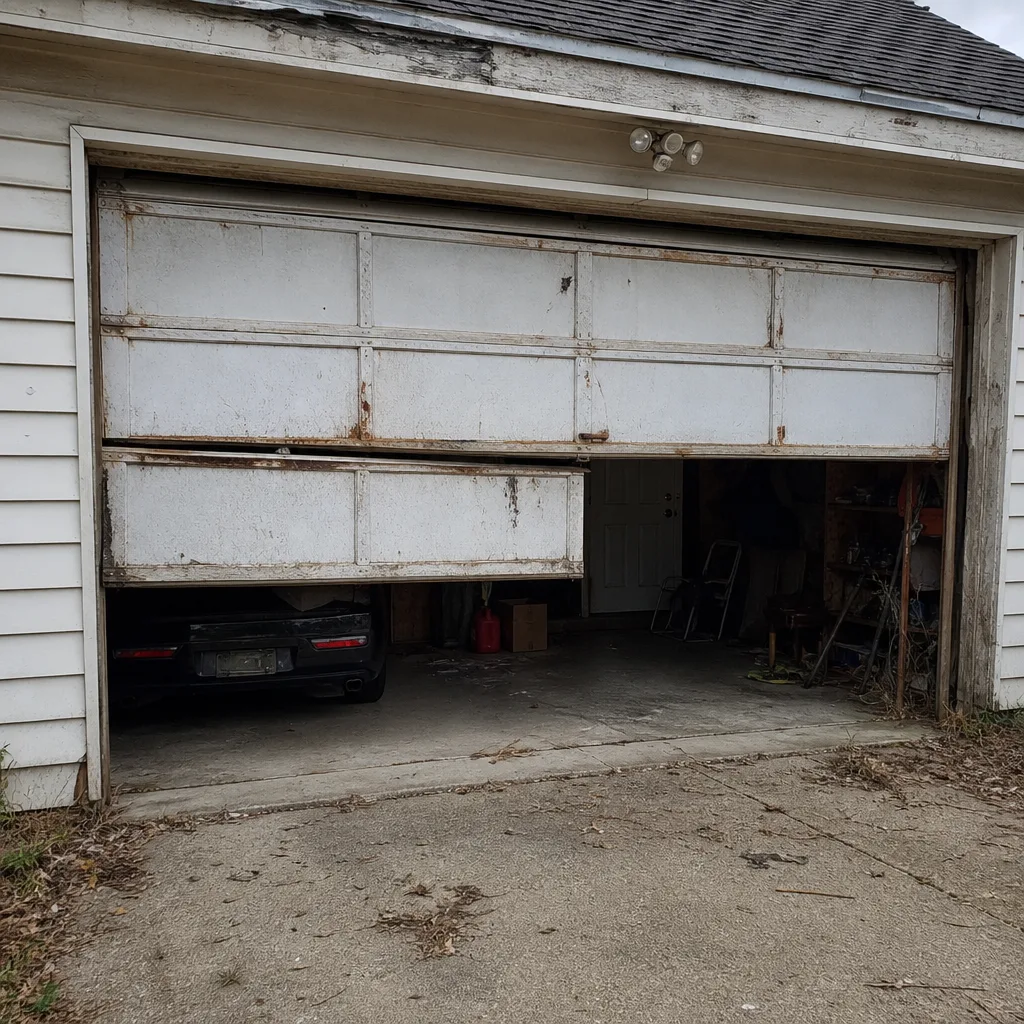 Before
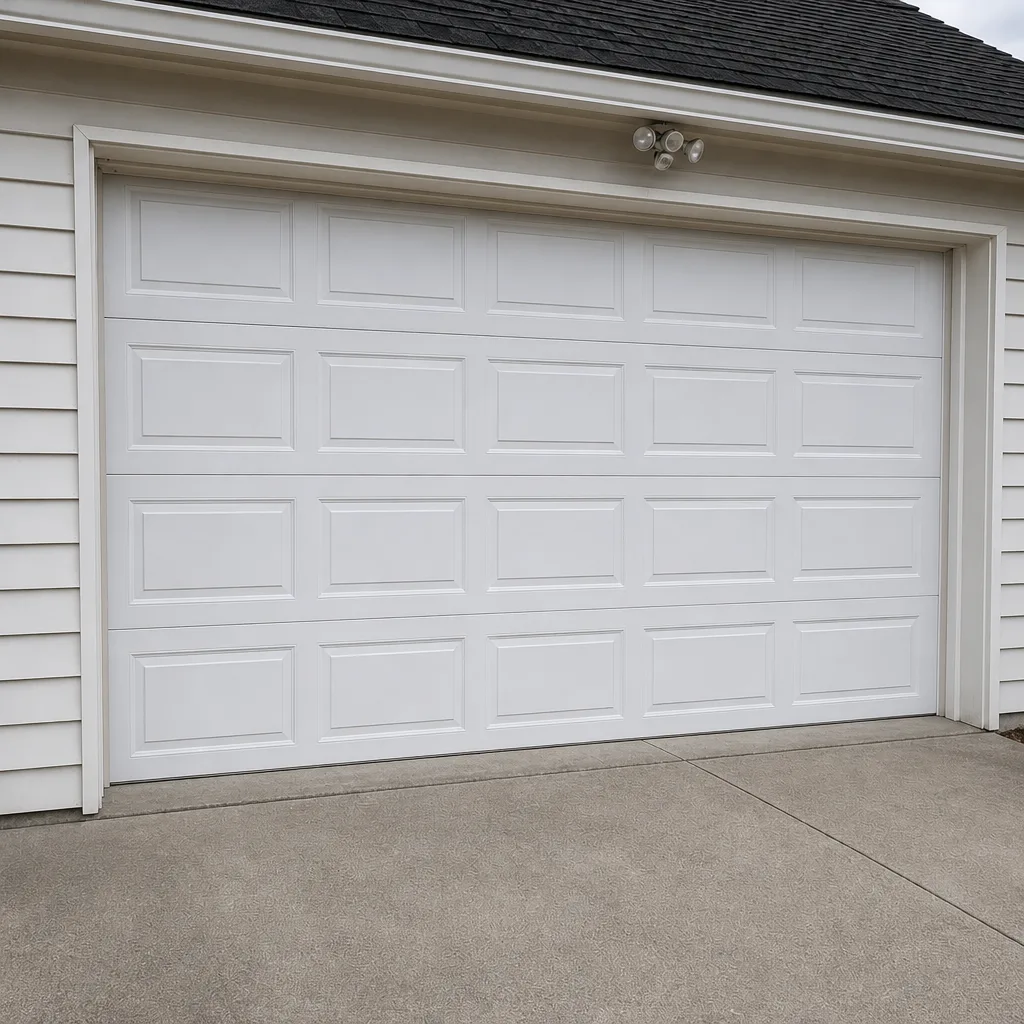 After
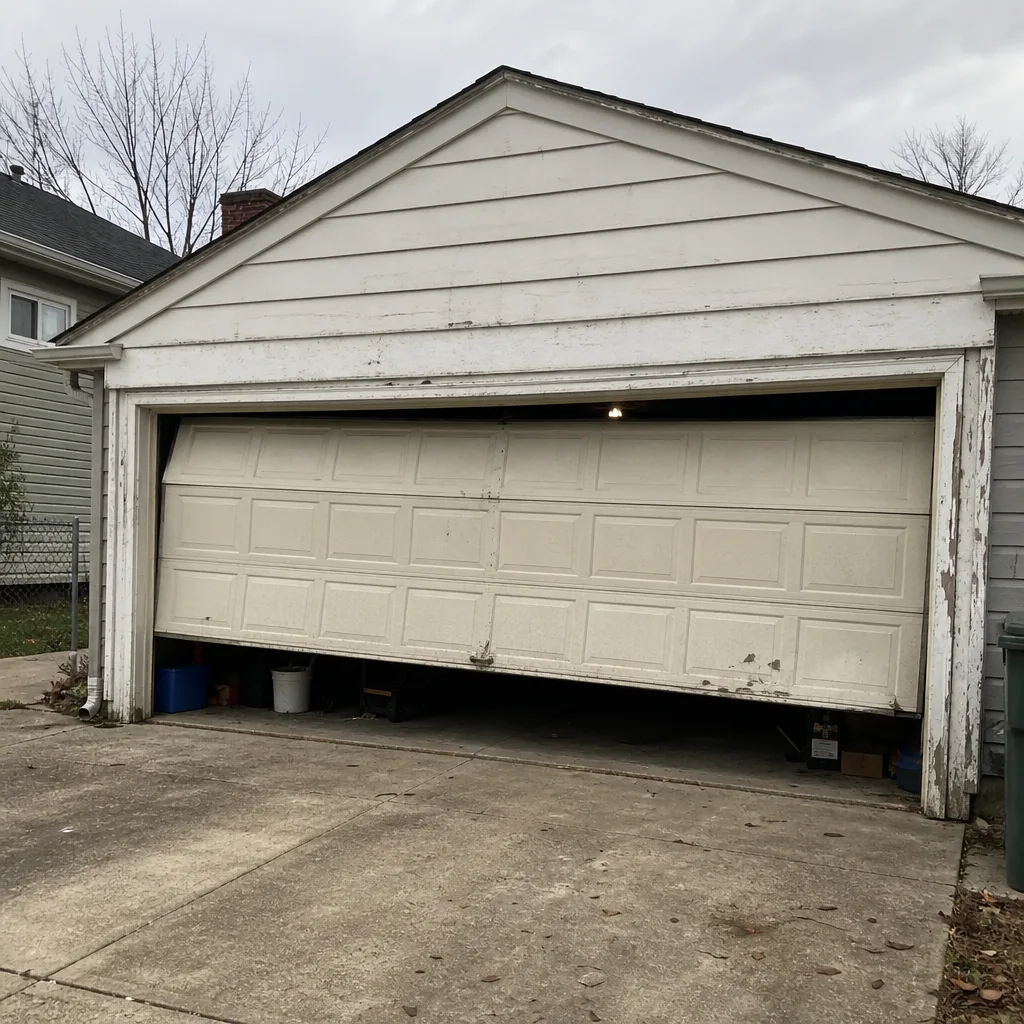 Before
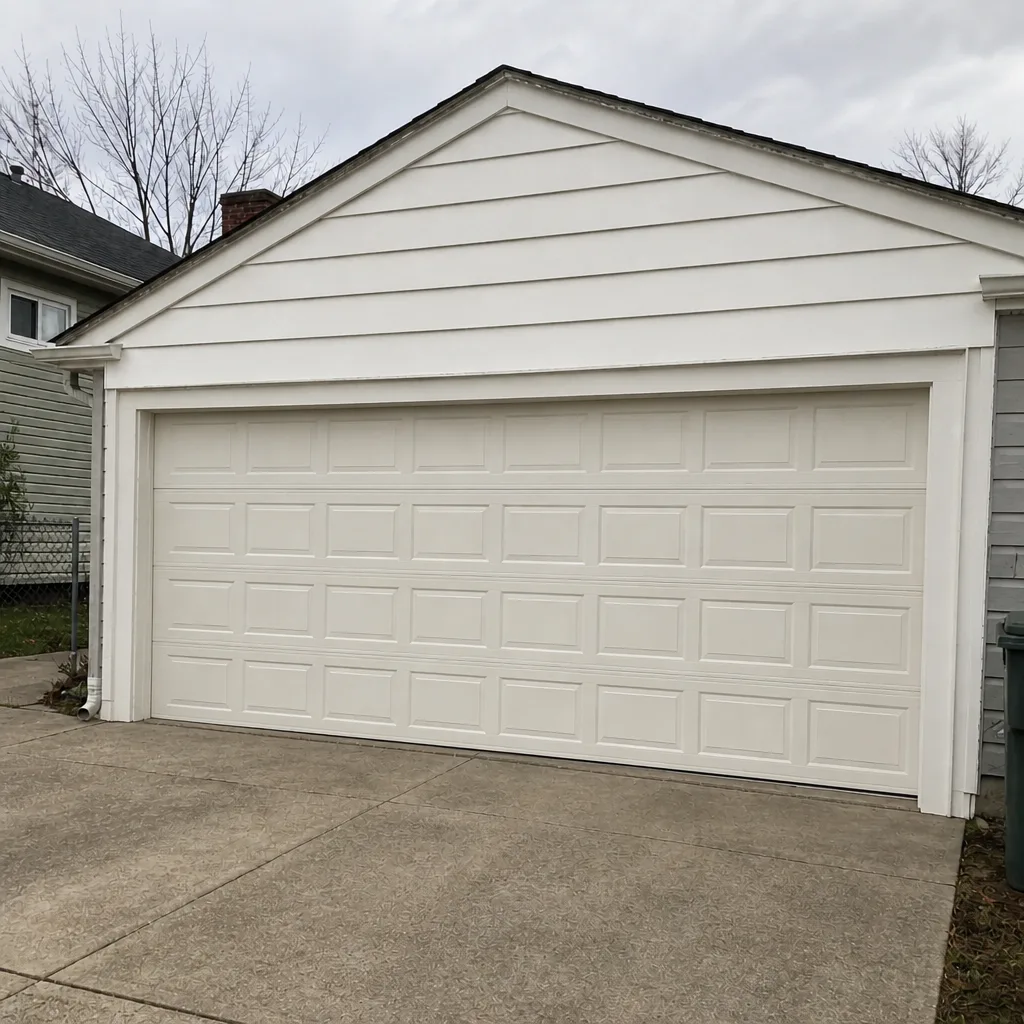 After
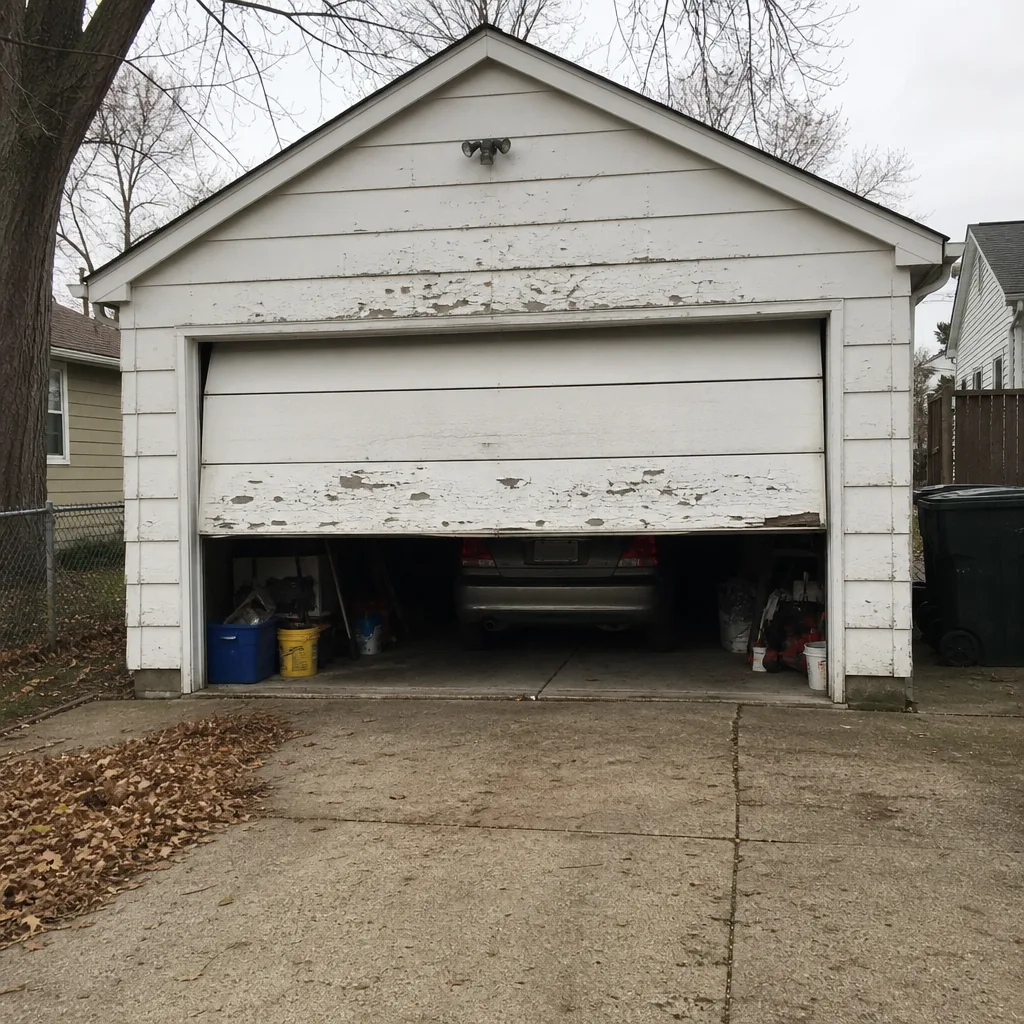 Before
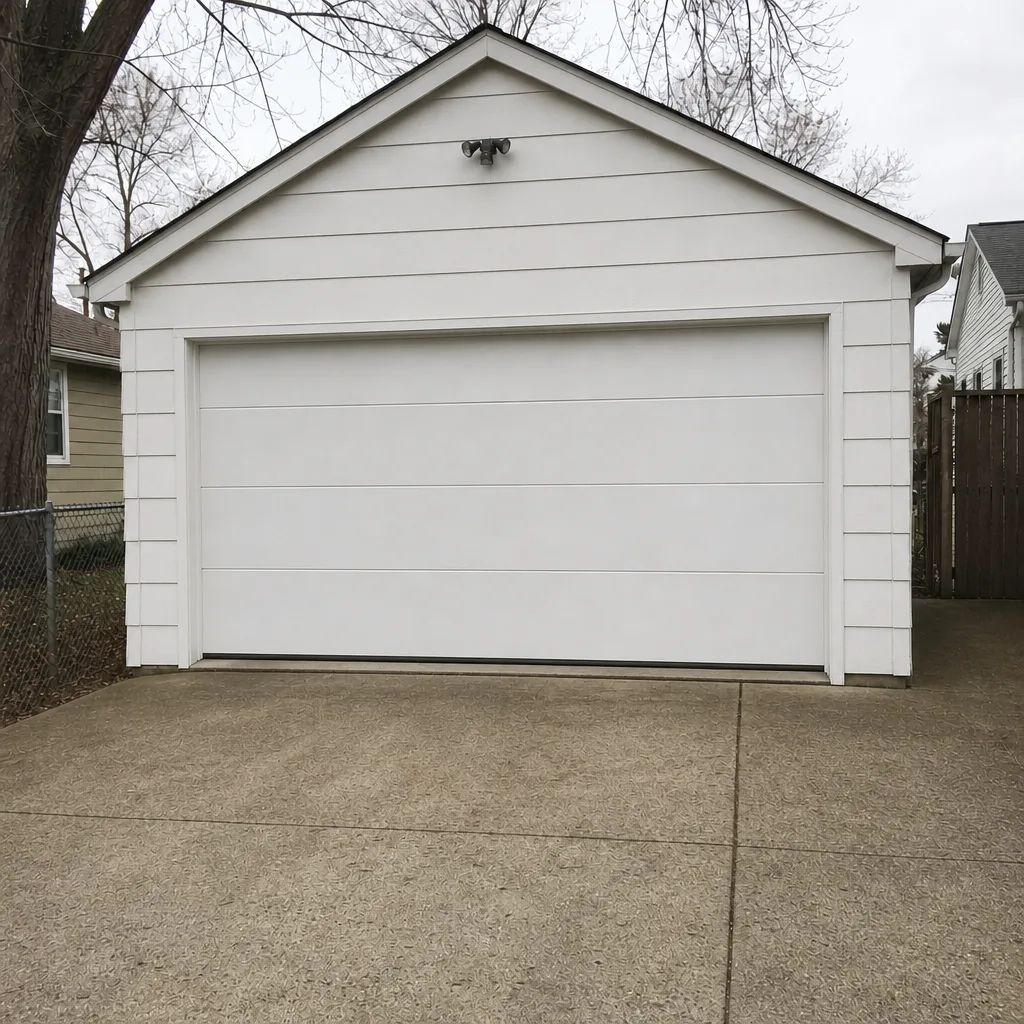 After
When to Call a Professional
Call a professional if the door is out of balance, a spring has failed, the opener won’t reverse on contact with an object, the door won’t latch or close fully, or you’re planning a replacement and you’re not sure about the permit question. Springs and opener circuits are the two areas where the work can genuinely hurt someone, and they’re where a specialist’s judgment matters most; garage doors are all we do, and we diagnose and fix them on-site. Channing Garage Door Repair offers free estimates in Lakewood – call (833) 468-5586. We answer 24/7, with fast dispatch from 7am to 7pm, Sunday through Friday.
Frequently Asked Questions
In most cases, no. A like-for-like replacement of the same size door in the same opening generally doesn’t need a building permit in Lakewood. You will need one if the work touches the structural header, changes the door size, adds a new hardwired opener circuit, or replaces a fire-rated door between an attached garage and the house. Call (833) 468-5586 for a free estimate and we’ll tell you which category your job falls into before we schedule anything.
R302 sets the fire-separation requirements between an attached garage and the living space, including any door in that separation assembly. The pedestrian door between the garage and the house must be fire-rated, in a rated frame, with a functioning self-closer and latch. A lightweight or hollow-core door is not adequate, even though it’s what we find in a surprising number of older Lakewood homes. Ask your city’s building department for the exact rating requirement if you’re replacing that door.
It depends on whether the installation requires new wiring. An opener that plugs into an existing outlet generally doesn’t need an electrical permit; an opener that requires a new dedicated circuit or a new ceiling outlet does, and that work should be done by a licensed electrician who pulls the permit. Call (833) 468-5586 and we’ll assess your existing circuit and tell you which case you’re in – the estimate is free.
It can, especially for an attached garage where a fire-rated door was replaced with an unrated one, or for an opener circuit that was installed without a permit. Buyers’ inspectors look at garage fire separation, and unpermitted work can trigger a compliance question at closing. Keeping the permit numbers, inspection cards, and manufacturer documentation in your file is the simplest way to prevent a surprise.
Yes. A door that won’t close is one of the emergencies we handle, alongside broken springs, doors off-track, and openers that fail with the car inside. Call (833) 468-5586. We answer 24/7, with fast dispatch from 7am to 7pm, Sunday through Friday; a call outside dispatch hours is booked into the next opening. We work on the brand you already have, including LiftMaster, Chamberlain, Genie, Clopay, Amarr, Wayne Dalton, Craftsman, and Raynor.
Lakewood’s lake-effect winters and humid summers are hard on garage doors, and the mechanical checks an inspector performs – balance, spring tension, opener force, and safety reverse – are the same checks that matter most in this climate. Cold contracts metal and stiffens springs; humidity swells wood panels and stresses hardware. A door that passed inspection in October may need adjustment by February, and that’s maintenance, not a code violation. Call (833) 468-5586 for a free estimate if your door has started binding or jumping.
The Bottom Line
The permit question for garage doors in Lakewood comes down to what the install touches, not the door itself. A like-for-like replacement is usually exempt; a new opener circuit, a structural header change, and a fire-rated pedestrian door are the three cases where a permit is required, plus the historic-design review question for the city’s designated areas. Get the paperwork straight, keep the documents in your file, and ask the building department about your specific job rather than the general category. That’s the whole game, and it takes a few minutes. For a free estimate on any garage door job in Lakewood, call (833) 468-5586. Our technicians have up to 13 years of experience, and we’re happy to help you sort out the permit question before the work starts.
Written by the team at Channing Garage Door Repair.